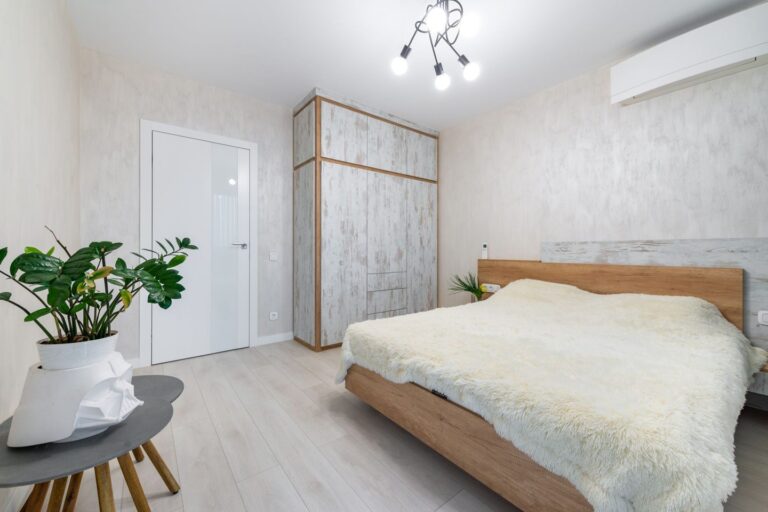
Bedroom Organization Ideas for Minimalist Living
Shopping links: These links open Amazon search results. They are optional browsing suggestions, not verified product reviews or price/availability checks.
Minimalist living can mean fewer decisions, not fewer needs
A minimalist bedroom can contain the clothing, keepsakes and equipment its users need. The point is to make those things manageable, not reach a particular item count or reproduce an empty-room photograph. This guide does not claim that studies establish better sleep, less stress or higher productivity from these changes. Begin with one repeated inconvenience and try a small arrangement using what you already own before buying storage or removing belongings.
Choose what the room must support
List the activities that actually happen here: sleeping, dressing, reading, perhaps work or care routines. Agree priorities with anyone sharing the space. A desk or specialist item does not become wrong simply because a minimalist picture omits it. Keep routes, vents, controls and necessary equipment accessible. If two uses compete for one surface, give each an agreed place or time instead of hiding one person’s belongings whenever the room is tidied.
Review possessions without forced purges
Sort a small group by owner, purpose and condition. Keep uncertain items for a decision rather than treating a year without use as permission to discard them. Occasional clothing and sentimental belongings can have a legitimate place. Ask before donating shared possessions. A timed session can help limit the work, but stop with the floor and bed usable. Check current collection or donation requirements before deciding where cleared items will go.

Use existing drawers well
Compare a low stack with an upright row for garments suited to folding. Follow care instructions, particularly for delicate or structured clothes. A small box can separate socks without a matching insert set. Leave runners and closing space clear, and follow the dresser’s loading and anchoring requirements. Do not turn one drawer into a home for medicines, batteries or sharp tools merely because there is spare room; those need appropriate storage and access controls.
Check whether under-bed storage is suitable
Measure the usable opening and the space needed to pull a container out. Follow the bed’s instructions and avoid mechanisms, vents and required clearance. Store clean, fully dry items, not damp textiles hidden from view. A shallow existing box may do the job. Do not raise the bed on improvised supports or force containers against its parts. Keep frequently used things elsewhere if access under the bed is awkward.
Leave the walls empty when that works better
A shelf or hook adds installation and loading requirements, not free capacity. Check the wall, fixings and any property permission before adding one. Removable adhesives do not guarantee strength or an undamaged finish. Avoid heavy or breakable storage over a sleeping position. An existing lower shelf may be simpler. Tall furniture must still be secured as its instructions require, even if its clean lines suit the room’s style.

Do not replace furniture for a look
A storage bed or ottoman is worth considering only for a measured need. Check the full opening footprint, load limits, stability, assembly and any lid or lift hazards. Not every chest is intended as seating. Keep children’s access in mind and follow the product’s intended use. If sound existing furniture already supports your routines, keeping it may be a better minimalist choice than buying a coordinated set with hidden compartments.
Keep the closet system simple
Group clothes in a way you can identify and return. Color order is optional; purpose or garment type may suit the user better. Check that hangers support the particular garment rather than replacing every hanger for visual consistency. A reversed-hanger experiment can record wear, but it does not decide what must leave. Extra rods and hanging organizers also load the existing supports, so check the whole system before adding them.
Give the bedside area enough room
Choose a place for the few items actually needed at night and in the morning. Keep drinks away from powered equipment and use suitable charging accessories on an uncovered surface according to instructions. Avoid cables across the walking route or under bedding. A tray or caddy is optional and needs to fit without blocking access. Do not add a plant, scent or decorative object simply to make the surface resemble a styled photograph.
Keep what works through ordinary use
Try the arrangement through laundry day, a workday and the usual evening routine. Change the part that is hard to maintain before adding more rules. There is no automatic need to discard something every time a new item arrives. Review belongings when circumstances change and keep decisions with their owners. Retained product links are optional category searches, not verified fits, current price checks or evidence of product testing.