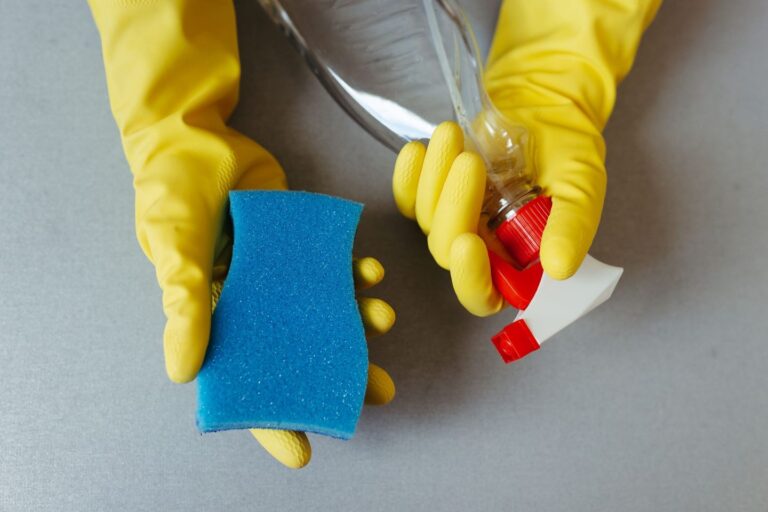
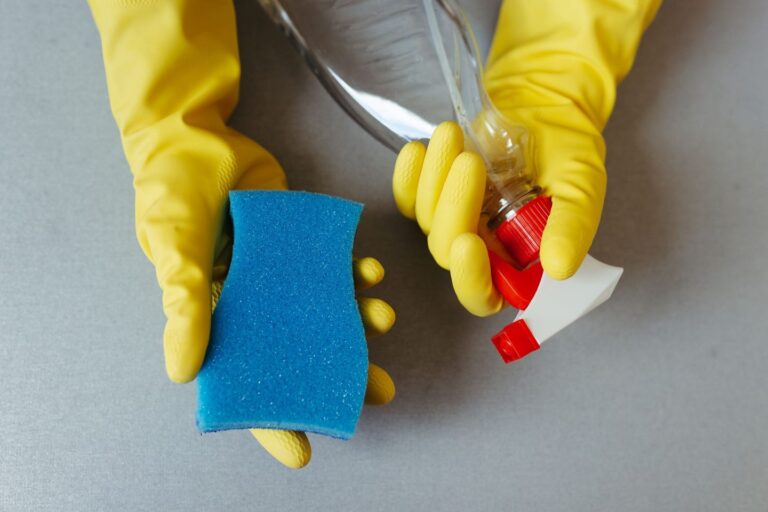
Cleaning with Vinegar and Baking Soda for a Natural Shine
Disclosure: These links open Amazon search results. They are optional browsing suggestions, not verified product reviews or price/availability checks.
Use vinegar and baking soda selectively, not as a universal recipe
Vinegar and baking soda are chemicals, even though they are familiar kitchen ingredients. Neither is suitable for every finish, appliance, or cleaning job. This guide does not recommend combining them into an all-purpose cleaner, drain treatment, or disinfectant. Start with the surface or appliance instructions and choose a compatible method.
What the fizz means
Combining an acid and a base produces a reaction, but bubbles do not establish better cleaning. Chemistry guidance from The Conversation explains why the cleaning hype does not follow from the fizz. Use a product or method supported for the particular task rather than an unsourced mixture.

Check the surface before choosing a cleaner
Acids can damage natural stone and some finishes. Abrasive powders can scratch some surfaces. Follow the material maker’s care guide rather than assuming a hidden-spot test overrides an explicit warning. If compatibility is unclear, ask the maker or choose a method it already approves.
Clean everyday dirt with a compatible method
For suitable hard surfaces, soap or detergent and water may be enough for routine cleaning. Follow the product directions for dilution, rinsing, and use. Keep electrical parts dry and follow appliance instructions. This article does not give a heated microwave mixture, an oven paste, or a blanket floor-cleaning recipe.

Keep cleaners separate
Never combine cleaning products or chemicals with each other. Do not add vinegar, baking soda, bleach, ammonia, peroxide, or another treatment to residue from a different cleaner. Keep products in their labeled packaging and follow directions. Ventilate and use protective equipment as instructed. Store supplies securely away from children and pets.
Do not turn a slow drain into a mixing experiment
Do not add household mixtures or more drain chemicals when a drain is slow, especially if another treatment may already be present. Use the fixture’s supported maintenance method or ask a plumber. Tell a professional what has been used before they work on it.

Cleaning is different from disinfecting
A homemade spray is not a verified disinfectant. CDC guidance distinguishes routine cleaning from situations needing disinfection. When disinfection is appropriate, clean first and use a suitable registered product exactly as labeled, including its wet contact time and any rinse. A pleasant smell is not evidence that germs have been removed.
A simple decision checklist
Identify the material and problem, read its care guide, choose one compatible method, follow its directions, and store the product safely afterward. Do not buy extra ingredients to reproduce a dramatic reaction. The useful outcome is a clean, undamaged surface and a repeatable routine, not visible fizz.
Sources and retained category links
CDC home-cleaning and disinfecting guidance
Chemistry explanation of vinegar and baking soda
Retained Amazon destinations below are optional category searches, not tested product recommendations. The detergent-storage search does not recommend transferring any product from its original packaging.