Guest Bedroom Checklist for Welcoming Visitors
Shopping links: These links open Amazon search results. They are optional browsing suggestions, not verified product reviews or price/availability checks.
Prepare for the visitor, not a showroom
A guest bedroom needs a usable bed, a clear route and a little space that belongs to the visitor during their stay. You do not need to replace sound furniture or build a welcome basket to prove that they are welcome. This checklist is practical preparation, not a personal hosting story or a tested formula. Begin with the room you have and ask about any needs that would change the setup.
Ask useful questions before arrival
Confirm the sleeping arrangement, arrival time and whether stairs or the bathroom layout will be a problem. Ask if the guest prefers any bedding, needs space for their own equipment or would like fragrance-free toiletries. Offer choices without pressing for private health details. If the room doubles as an office, agree when anyone else will need access. Be clear about pets and shared facilities rather than waiting for an awkward surprise after the visitor has unpacked.
Check the bed before adding extras
Make sure the bed is assembled and used as its maker intends, with no obvious instability or broken parts. Supply clean bedding that fits it. Extra pillows can be offered rather than filling the bed with them, and a topper is not a repair for a damaged mattress or frame. Do not assume an adult guest bed is an appropriate infant sleep space. Discuss a separate, suitable arrangement for babies and children with their caregiver before the stay.

Clear a route that stays clear at night
Walk from the doorway to the bed and bathroom. Move loose bags, trailing cords and unstable stacks out of that route. Check that doors open normally and that furniture does not block exits or vents. Leave a light the guest can operate from a useful position. If a rug slides or catches feet, remove it rather than expecting a new visitor to remember its edge in the dark. Keep necessary mobility equipment within reach.
Give belongings a defined place
Clear a shelf, drawer or section of rail by agreement with the people who own the contents. Do not hide shared possessions under the bed just to present an empty cupboard. Add a few sound hangers if you already have them. A stable luggage surface is useful only if it is rated for the load and leaves room to pass. A chair needed for sitting should not be the only place available for a suitcase.

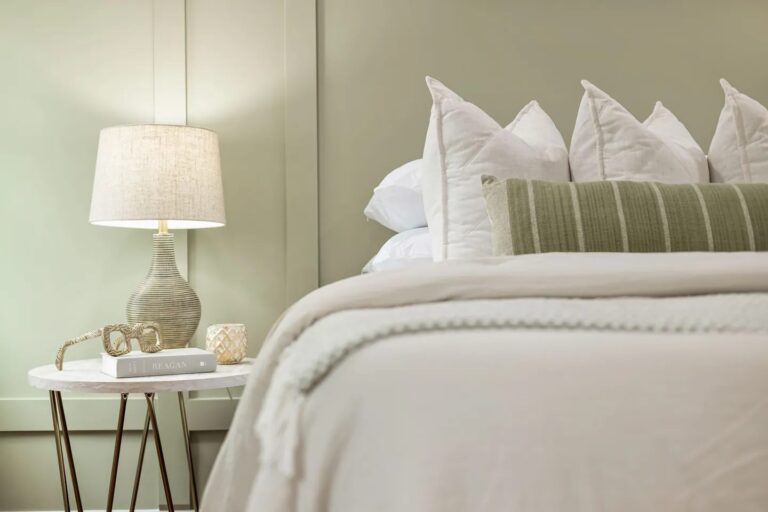
Set up the bedside surface
Leave enough room for the visitor’s phone, glasses or other usual items. Test the lamp and keep its cable out of the walking route. Explain where a suitable outlet is, without adding a chain of adapters or charging equipment with unknown condition. Do not place drinks directly beside powered devices. Keep household medicines, private documents and loose batteries out of guest drawers, especially if children will be using or entering the room.
Offer bathroom basics without extra hazards
Provide clean towels and explain where used ones go. A sealed toothbrush or simple soap may be useful, but guests can choose their own products. Keep toiletries labeled and ask before using strongly scented items. A hairdryer or straightener does not need to be waiting on the bed. If a visitor needs one, provide sound equipment with its instructions and a suitable place to use and cool it, away from water and bedding.

Make food and drink optional
Ask about allergies and dietary restrictions before offering snacks. Keep packaging and ingredient information with them, and store food according to its label. Avoid loose sweets or small food items where young children can reach them. Water and directions to the kitchen can be more useful than a large basket. Do not add a kettle or coffee maker to a crowded bedroom solely for appearance; a clear, explained kitchen setup may work better.
Protect privacy and explain the home
Check curtains or blinds from the visitor’s point of view. Show how the door works and explain any lock that could cause confusion. Share relevant bathroom, kitchen and exit information, along with how to reach you. Offer Wi-Fi access only in a way the household permits; do not display account passwords, alarm codes or private documents as part of an open welcome board. Agree before entering the room during the stay.
Do a final reset, then stop
Check that the room has not become a temporary storage spot again. Leave an extra cover where the guest can find it and make sure they know how to request a temperature change. A single personal note is enough decoration if you want one. After departure, set aside forgotten belongings for their owner and refresh the used linens. The retained shopping links are optional category searches, not a list every host needs to buy.