How to Fold Clothes Fast: Time-Saving Techniques
Shopping links: These links open Amazon search results. They are optional browsing suggestions, not verified product reviews or price/availability checks.
Choose a folding method that fits the garment
Faster folding starts with fewer decisions, not a speed record. Sort a small amount of clean, fully dry laundry and choose where it will be stored. This guide offers simple folding options, not timed tests or a guarantee that clothing will stay wrinkle-free. Check garment care instructions, and hang or otherwise store an item when folding is unsuitable.
Set up a reachable surface
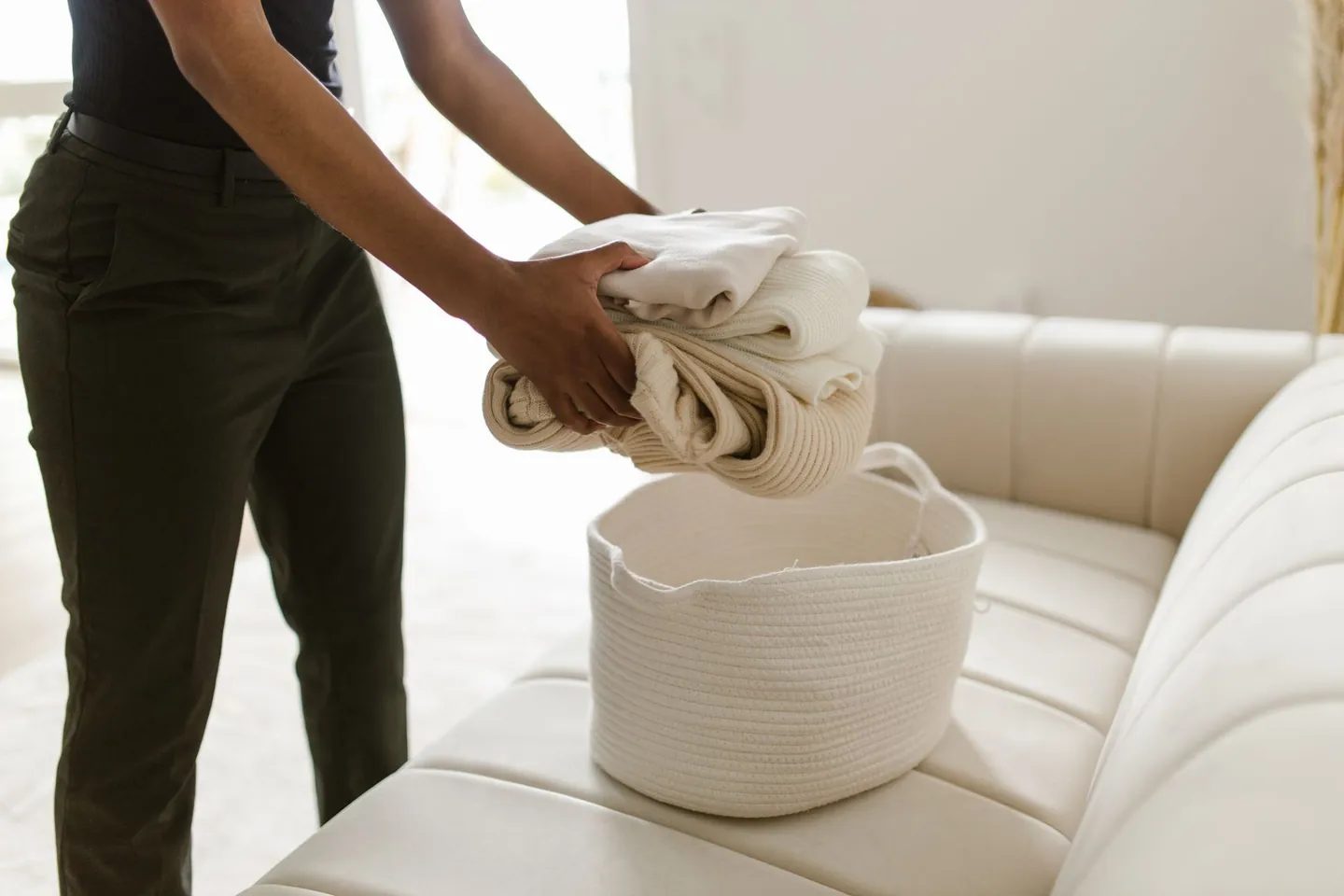
Use a clean, stable surface at a comfortable height, with enough room for one garment. Keep the floor route clear and avoid carrying a pile that blocks your view. You can fold sitting down or in short sessions if that works better. Do not turn a dryer, ironing appliance or a pile of boxes into an improvised work surface. Keep equipment vents and controls clear.
Try a basic T-shirt rectangle
Lay the shirt flat and gently smooth it without stretching. Fold each side inward, bringing its sleeve onto the body, to make a rectangle sized for the intended drawer or shelf. Fold the bottom upward once or in sections depending on the space. Adjust for garment size and fabric rather than insisting on a single formula. Test one shirt before repeating the method for the whole pile.

Fold trousers for their storage space
Lay the trousers flat and align the legs without pulling seams out of shape. Fold one leg over the other, then fold along the length in sections that fit the destination. Keep pockets lying smoothly. For garments with a crease or special structure, follow their care and storage guidance instead of forcing this fold. A hanger may be the better choice for some trousers.
Treat shirts and delicate items individually
A dress shirt may need more care than a casual T-shirt. Follow the garment’s instructions, and do not promise that smoothing it by hand replaces ironing or steaming where that is wanted and suitable. Hanging may avoid unnecessary folding. Keep embellishments, delicate fabrics and structured pieces from being crushed under a heavy stack. Put questionable items aside until you know their requirements rather than testing heat on them.
Compare stacks with upright storage
A shallow stack can suit a shelf; an upright row may make drawer contents easier to see. Neither is universally better or guaranteed to save space. Try a few items and check whether you can remove one without disturbing the rest. Do not pack the drawer so tightly that it catches clothing or strains the runners. This is a general folding option, not an exact description of a named creator’s method.
Use rolling only where it suits the fabric
Rolling can be an option for some casual garments or a particular packing layout. It is not a wrinkle-free guarantee and may be unsuitable for structured or delicate pieces. Try one item before rolling a travel wardrobe. Avoid tight rubber bands that could mark or distort fabric; there is no need to add a fastener for ordinary drawer storage. Choose the result you can use and maintain.

Share the work without a time promise
If someone wants to help, agree on a simple division such as shirts and trousers or sorting and putting away. Two people do not automatically halve the time. Give each person a clear place for finished items, and allow different workable folds. Pair socks or place small everyday items in an existing compartment if folding each one adds work without a benefit. A consistent destination matters more than identical edges.
Put the laundry away before starting more
Leave enough session time to return clothes to their storage and clear the folding surface. Handle laundry when it is safe and ready under the appliance and garment instructions, not by rushing to grab hot items. Follow any needed wrinkle treatment separately. Keep detergents in original labeled packaging, locked away and out of children’s sight and reach; decorative dispensers are not a replacement for secure packaging.
Buy equipment only for a real gap
The sorter, detergent-storage and drying-rack links are optional Amazon searches, not tested products. Check dimensions, stability, installation and care requirements before comparing equipment. A folding board or extra baskets are not required. Try the routine with a small load first, then keep the method that fits your clothing, storage and available effort rather than chasing a promised number of seconds.


