How to Set Up a Homework Station for Kids at Home
How to Set Up a Homework Station for Kids at Home
Is homework time a daily battle in your house? Are you tired of watching your kids do their homework sprawled out on the living room floor, surrounded by distractions? A well-designed homework station setup could be the simple solution you didn’t know you needed. It’s not just about having a dedicated space; it’s about creating an environment that helps your kids focus, stay organized, and even enjoy their studies,yes, that’s possible!
As parents, we want to set our kids up for success, but let’s face it: schoolwork at home can feel chaotic. The good news? Putting together a homework station isn’t rocket science, and you don’t have to spend a fortune. Whether you have a sprawling home or a small apartment, there are practical ways to craft a space that encourages productivity and leaves you less stressed when it comes to school nights.
So, grab a coffee (or maybe something stronger, no judgment), and let’s talk about how to make homework time easier for both you and your kids. Let’s create a homework station that works, so you’re not pulling your hair out by dinnertime.
—
Why Creating a Homework Station Matters
A few months ago, I walked into my kitchen to find my 8-year-old son doing his math homework… on the couch, half-watching cartoons and balancing his pencil on his forehead. Sound familiar? At that moment, I realized we needed a dedicated space for homework.
Kids thrive on routine and structure. Having a homework station helps them mentally separate “school mode” from “play mode.” In fact, research from the National Center for Biotechnology Information shows that a structured workspace can improve focus and productivity in kids. It’s like giving them a mini office, which makes them feel important and responsible. Who doesn’t want that?
Think about it: if you’re working from home, would you be productive with the TV blaring and your laptop on the coffee table? Probably not. It’s the same for kids. A good homework station minimizes distractions and makes it easier for them to focus. Plus, having supplies handy means fewer interruptions for you,no more last-minute trips to hunt for scissors or a sharp pencil.
In short, a homework station is not just about getting good grades. It’s about teaching your child how to build good habits, stay organized, and value their work. How’s that for a win-win?
—
How to Set Up a Homework Station for Kids at Home
Setting up a homework station doesn’t have to be overwhelming or expensive. Here are seven practical steps to get started:
1. Choose the Right Spot
The first step in a homework station setup is picking the perfect spot. This doesn’t mean you need a whole room,it can be a small nook, a corner of the dining room, or even a section of your child’s bedroom.
Look for a space with good lighting, low traffic, and minimal distractions. Avoid spots near the TV or where siblings are playing. For example, my daughter’s room was too close to the living room, so we found a quiet corner in our home office for her desk.
Long-tail keywords: “quiet homework area for kids,” “small space study station ideas”
2. Get the Right Furniture
A comfortable chair and a sturdy desk are non-negotiable. Your child should be able to sit upright with their feet flat on the floor. Bonus points if the chair is adjustable as they grow.
If space is tight, consider a fold-down desk or a portable lap desk. For example, my neighbor swears by her wall-mounted fold-up desk that transforms into a chalkboard when closed,functional and fun!
Long-tail keywords: “best desks for kids’ study spaces,” “ergonomic kids’ chairs for homework”
3. Organize Supplies
Keep essentials like pencils, crayons, erasers, rulers, and scissors within arm’s reach. Use containers, baskets, or a simple organizer to keep everything tidy.
For example, I repurposed an old cutlery tray to hold my kids’ stationery. It’s functional and didn’t cost me a dime. Having supplies organized avoids those moments where your child asks for a glue stick, and you have to dig through kitchen junk drawers.
4. Add a Touch of Personalization
Make the space theirs! Add a corkboard or dry-erase board for reminders, photos, or to-do lists. Let your child pick out a fun pencil holder or some favorite artwork to hang up.
My son loves dinosaurs, so we added some dinosaur stickers on his desk. It’s a small touch, but it makes him more excited to sit down and do his homework.
5. Create Zones for Different Activities
If your child has multiple homework tasks, like reading, writing, and drawing, create zones for each. This doesn’t mean you need more than one desk,it can be as simple as having a reading nook with a comfy chair or a basket for books nearby.
For instance, we use a bean bag chair in the corner of our homework station for reading time. When my daughter finishes her worksheets, she can switch gears by settling in with her favorite book.
6. Manage Screen Time and Electronics
If your child needs a computer or tablet for homework, set it up in a way that allows you to monitor their screen time. Use settings or apps to block distractions like games or YouTube during study hours.
When my son started using a laptop for school projects, we kept it on the family kitchen counter for easy monitoring. It’s not about spying,it’s about making sure they stay on task.
7. Keep It Clean and Tidy
Clutter makes it harder to focus, and it can creep up fast in a homework station. Set a rule that your child has to clean up the space before leaving it.
We use a small wastebasket and a weekly 5-minute “desk clean-up” to keep things manageable. Trust me, this habit is a big win for keeping the chaos under control.
—
Pro Tips and Common Mistakes to Avoid
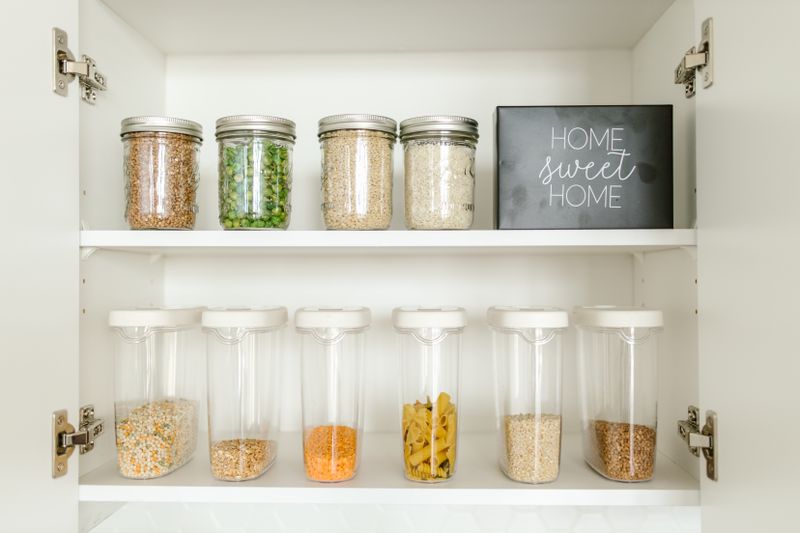
Here are some pro tips and mistakes to avoid when creating a homework station:
- Don’t overcomplicate it. You don’t need the fanciest furniture or the most expensive supplies. Start with what you have, and upgrade as needed.
- Avoid clutter traps. Resist the urge to cram the station with too many items. Stick to the basics; less is more.
- Get your child involved. Let them help pick out the desk, chair, and decorations. If they have a say in the setup, they’ll feel more ownership and be more likely to use it.
- Keep it flexible. Your child’s needs will change. A four-year-old’s station should look very different from a 10-year-old’s. Be ready to adapt the space.
—
Products That Actually Help
A few things that make a real difference here:
- Toy Storage Bins – Labeled bins make cleanup something kids can actually do themselves.
- Bookshelf Organizer – A low bookshelf keeps favorite books visible instead of buried in a box.
- Command Center Wall Organizer – A wall command center stops permission slips from vanishing into the void.
Note: links above go to Amazon search results for these products.
Quick Summary / TL;DR
- Pick a quiet, distraction-free spot for the homework station.
- Invest in comfortable, age-appropriate furniture like a sturdy desk and adjustable chair.
- Organize supplies using baskets, containers, or repurposed items.
- Add personal touches to make the space inviting and kid-friendly.
- Create separate zones for different activities, like reading or drawing.
- Monitor screen time, and keep electronics distraction-free during homework hours.
- Teach your child to tidy up their workspace regularly.
Ready to tackle that homework station setup? The sooner you create this dedicated space, the sooner you’ll see a difference in your child’s focus and productivity. So, grab a tape measure and start planning,you’ve got this!
—