Creative Lego Storage Ideas for Your Child’s Room
Useful LEGO storage depends on the builder, the collection, and how much sorting they actually want to maintain. A casual builder may prefer broad bins, while someone rebuilding sets may want more detailed categories. Begin with existing containers and one small experiment, not a promise that a particular system works for every age.
Disclosure: These links open Amazon search results. They are optional browsing suggestions, not verified product reviews or price/availability checks.
Ask how the child looks for pieces

Notice whether they search by shape, color, function, or set. Sorting by color can look tidy but still leave someone hunting through many similar-colored pieces for a specific shape.
Start with broad categories such as bricks, plates, wheels, figures, and special parts if those are useful. Do not create dozens of tiny compartments unless the builder wants and can maintain them.
Keep age and household access in mind
Follow the toy’s age guidance and keep small parts away from children who should not have access to them. Storage that works for an older child may need a separate controlled location in a home with younger siblings.
Choose suitable, non-breakable containers for independent child use. Avoid glass display jars simply because the colors look attractive. Check lids, weight, edges, and reach rather than assuming any household container is suitable.
Use shallow bins or drawer sections
A shallow tray or drawer can make pieces easier to see without emptying everything onto the floor. Clear sides are optional if labels identify the contents. Leave room to return pieces without careful packing.
Measure drawers before buying dividers and check they still close normally. Keep heavier containers low and avoid stacked bins that the child must unbalance to reach a favorite category.
Give active builds their own place

A tray or suitable shelf can hold work in progress separately from loose pieces. Agree which builds are still active so they are not dismantled during cleanup without permission.
An existing stable table may be enough for building. Custom tables and wall-mounted baseplates are optional projects that need suitable construction, fitting, and safe use. Do not improvise a climbing surface or sacrifice essential walking space.
Evaluate vertical and mobile options carefully
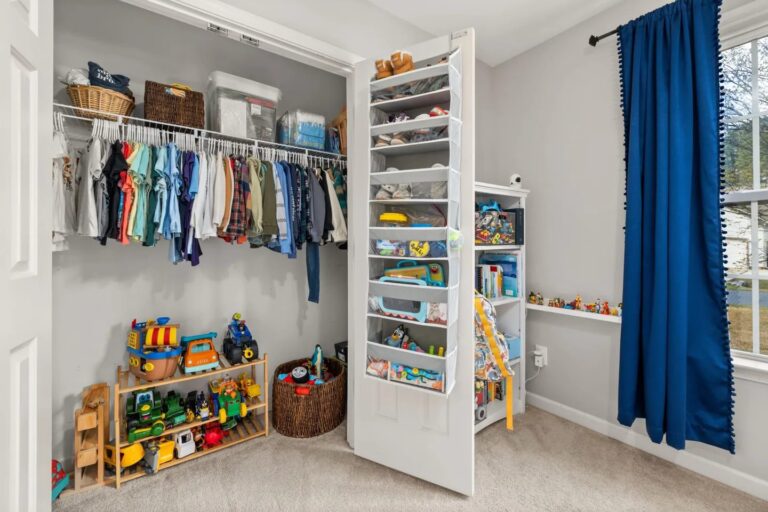
A hanging organizer can work only when its pockets, load rating, fitting, and location suit the contents. Do not assume a shoe organizer will support a heavy collection safely or remain reachable without climbing.
A cart needs suitable stability, wheel control, and age-appropriate use. If moving pieces between rooms is the main problem, a lightweight portable tray may be simpler than another piece of furniture. Keep routes and doorways clear.
Keep instructions and set information together
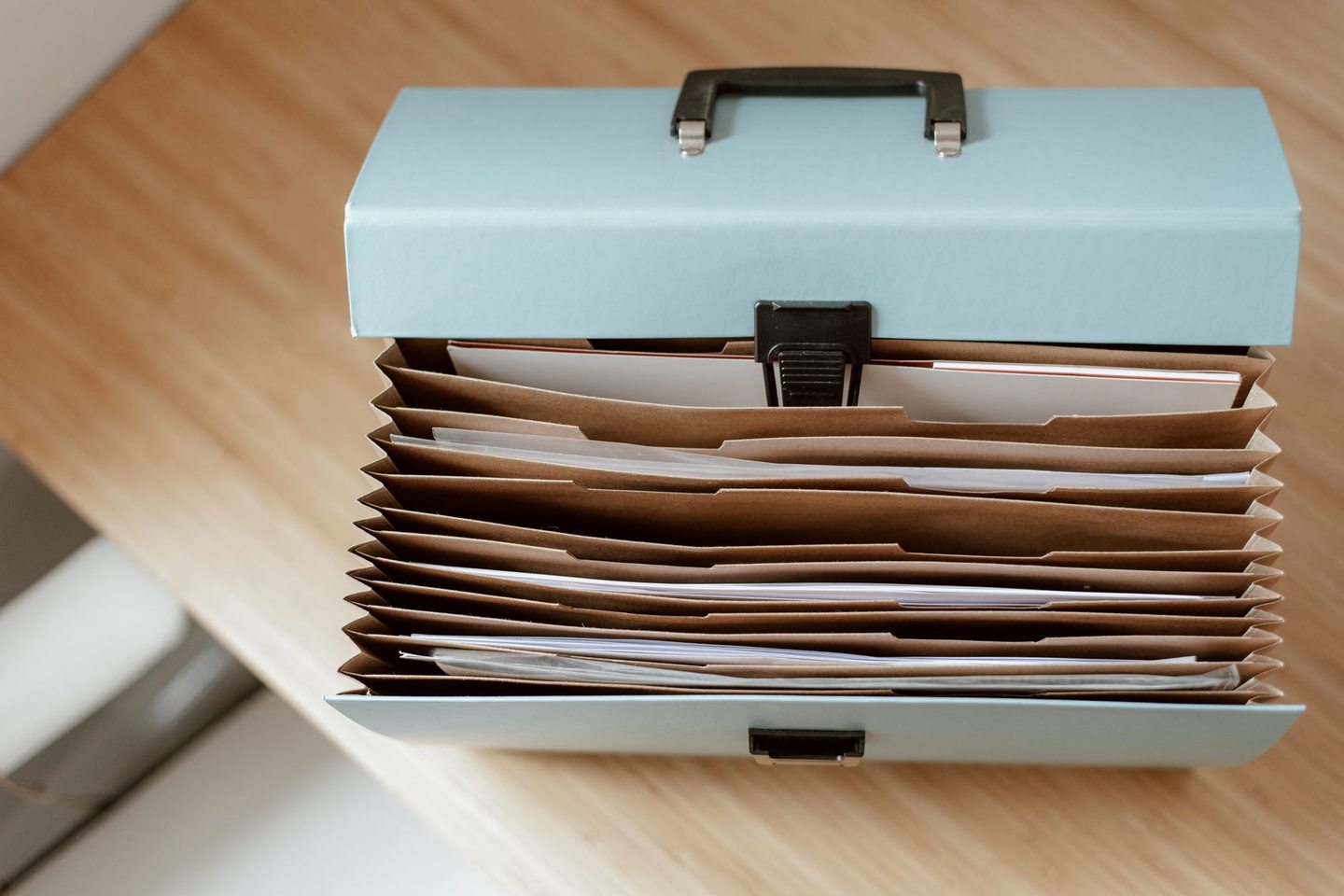
Use a folder or labeled pouch for printed instructions and important set information. If storing a set separately, label the container clearly and keep small groups of parts contained within it.
Check before discarding packaging or manuals that the owner wants to retain. If using digital instructions, make sure the correct version can be found again. Avoid treating organization as permission to delete a child’s saved designs or photographs.
Make cleanup easy to repeat
Use words or pictures the child understands and demonstrate returning one category. Keep the routine cooperative rather than making speed the goal. A broad system used consistently can be more useful than a detailed system abandoned after one session.
If the collection outgrows the space, review it with the owner. Rotation is optional, not a requirement to hide a fixed fraction of the toys. Keep favorites accessible and revise the setup after ordinary play. The result should support building and a usable room, not turn every session into a sorting job.
Amazon category searches
Optional browsing links. Check the specific listing, dimensions, materials, instructions, and current terms before buying.