Fall Home Maintenance: 10 Tasks You Can’t Ignore
A fall home maintenance checklist should reflect the climate, building, equipment, and responsibilities that apply to your home. These ten tasks are a planning guide, not instructions to climb onto a roof or carry out electrical, gas, or structural repairs. Use qualified help where needed and follow local advice and manufacturers’ instructions.
Disclosure: These links open Amazon search results. They are optional browsing suggestions, not verified product reviews or price/availability checks.
1. Check the roof and drainage from a safe position

Look from the ground for obvious damage, blocked drainage, or signs of water entering the building. Record concerns and arrange suitable inspection or cleaning rather than climbing onto a roof for a quick look.
Check gutter outlets and nearby ground drainage where safely accessible. An apparent stain or leak needs investigation; do not assume a cosmetic patch fixes its cause.
2. Prepare the heating equipment
Follow the maintenance schedule for the actual system. Check the specified filter type and replacement instructions and arrange qualified service when required.
Do not attempt gas, combustion, or electrical repairs from a general checklist. Keep equipment access and required clearances free of stored belongings.
3. Review doors, windows, and drafts
Look for worn weather stripping, visible gaps, and water damage. Choose repairs compatible with the materials and building design.
Do not seal intentional ventilation or drainage openings. If the source of a draft or moisture is unclear, seek appropriate advice before adding caulk or insulation.
4. Assess trees and outdoor obstacles
Clear ordinary loose debris where it is safe to do so and keep routes usable. Look for damaged or overhanging branches that need professional assessment.
Leave high branches, unstable trees, and anything near power lines to qualified people. Do not turn a seasonal tidy-up into an improvised tree-cutting job.
5. Make a climate-appropriate plumbing plan
Where freezing is a risk, follow local and equipment-specific guidance for hoses, outdoor taps, and irrigation. Know where the water shutoff is and how the household should respond to a leak.
Insulation and winterization needs vary. Ask a plumber or property manager when the system or required procedure is unclear.
6. Check smoke and carbon monoxide alarms
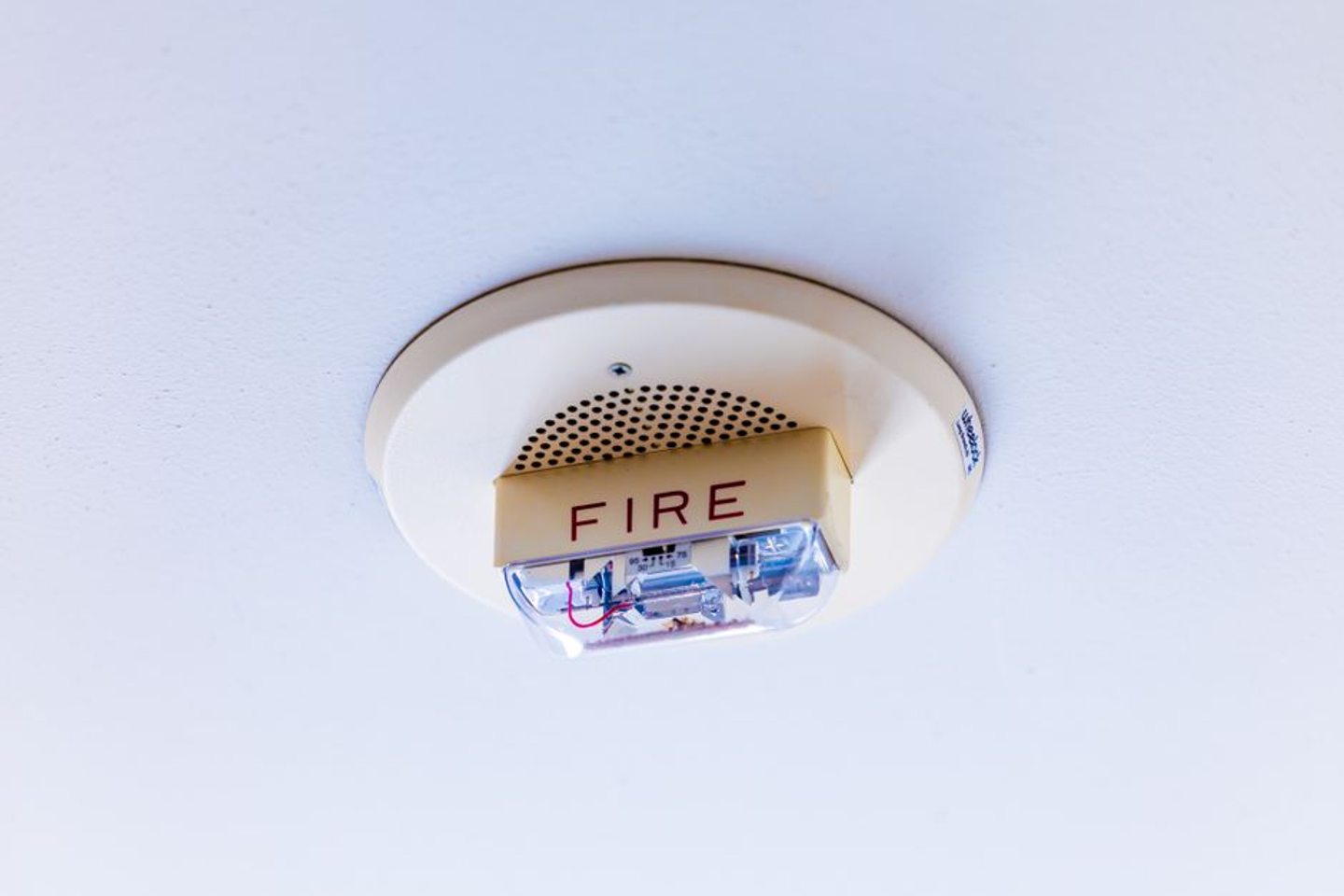
Test and maintain alarms according to their instructions, including their power source and replacement age. A sealed-battery device may need a different procedure from one with replaceable batteries.
Ready.gov winter guidance recommends installing and testing smoke alarms and carbon monoxide detectors with battery backups as part of preparation.
7. Prepare for weather-related outages
Check supplies for the people and pets in the home, including medication needs, lighting, batteries, water, and appropriate food. Plan for equipment that depends on electricity.
Ready.gov warns never to heat a home with a gas stovetop or oven. Generators belong outdoors, at least 20 feet from windows, doors, and attached garages, with manufacturer instructions followed.
8. Store outdoor furniture and seasonal items
Clean and dry furniture, cushions, and tools as their care instructions require. Use suitable storage or covers and keep items from obstructing access or equipment.
Store fuel and chemicals only in suitable labeled containers and approved locations. Ordinary indoor storage bins are not a universal solution for hazardous materials.
9. Review records and responsibilities
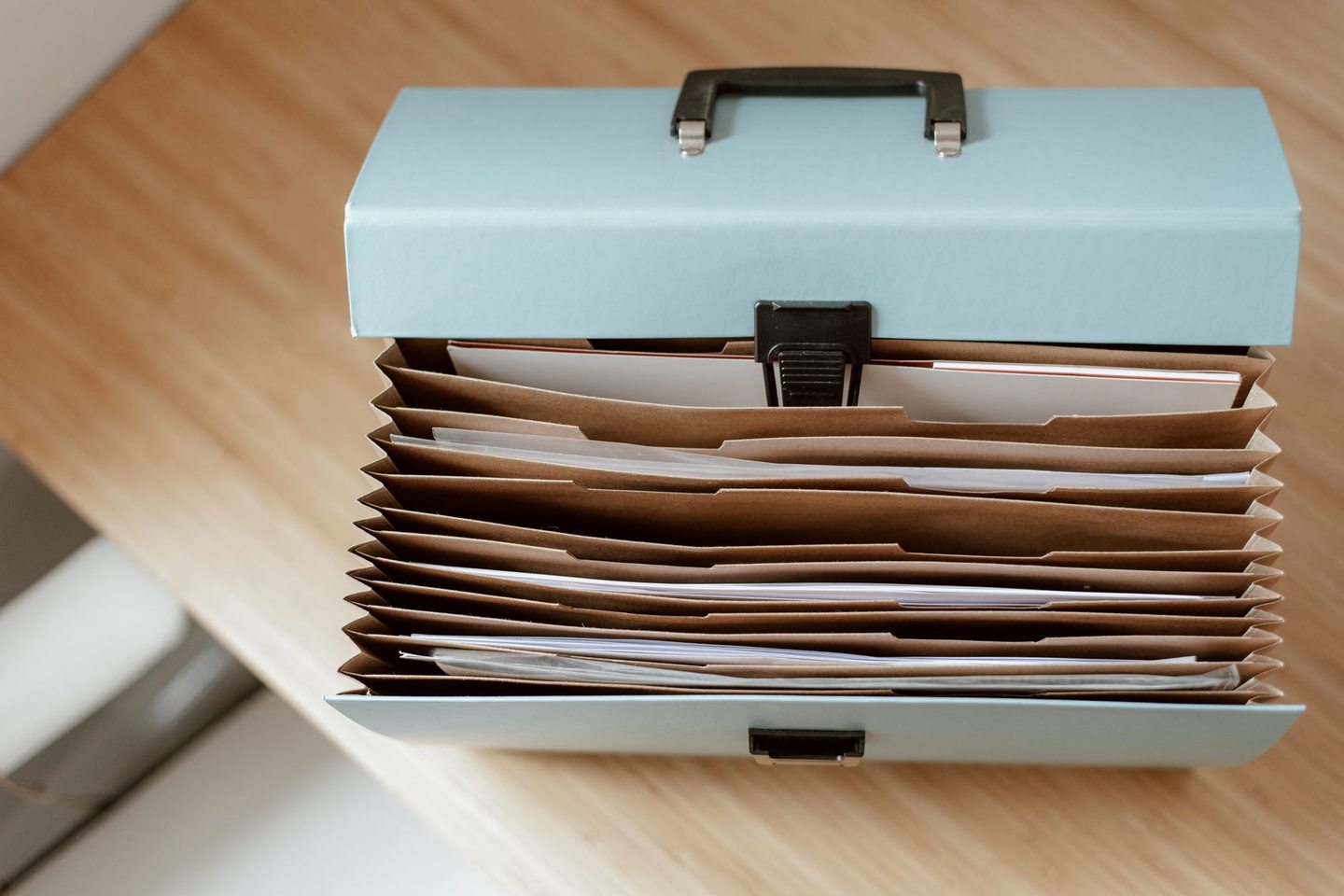
Check your insurance documents, emergency contacts, and property-management arrangements. Ask the insurer about unclear coverage rather than assuming a particular winter event is included.
Renters should report maintenance concerns through the appropriate route and confirm which work the landlord handles. Keep a record of reported issues and agreed follow-up.
10. Turn observations into a tracked checklist
Give each unresolved issue an owner, next step, and appropriate target date. Separate checks completed from repairs merely requested. Review any sump pump or other seasonal equipment using its own instructions or qualified service.
Keep the list for next year, then update it for changes to the building and local conditions. Maintenance can reduce avoidable problems, but it cannot guarantee a damage-free season or a fixed amount of savings.
Amazon category searches
Optional browsing links. Check the specific listing, dimensions, materials, instructions, and current terms before buying.