Winter Home Prep Checklist: Stay Cozy and Ready
A winter home prep checklist is most useful when it separates routine jobs from repairs and emergency decisions. Work through heating, drafts, drainage, plumbing, outdoor storage, and household supplies before severe cold. If you rent or live in a managed building, check which jobs belong to the landlord or building manager rather than altering shared systems.
Disclosure: These links open Amazon search results. They are optional browsing suggestions, not verified product reviews or price/availability checks.
Make a short readiness list

Walk through the home and note visible problems, equipment due for service, and supplies already on hand. Mark the jobs that need a professional and those that can be handled safely. Prioritize heating, water leaks, clear exits, and alarms before decorative seasonal changes.
Write down service contacts and the location of water shutoffs and essential controls. A paper copy can be useful during a power or phone outage. Include anyone who may need help with communication, mobility, medication, or heating.
Arrange heating care early
Follow the heating system’s maintenance schedule and arrange qualified servicing when due. Check filters and clear accessible vents as the instructions allow. Report unusual smells, sounds, or unreliable heating rather than waiting for the first storm.
Do not assume a working thermostat proves the whole system is safe. Fuel-burning equipment, flues, and electrical components need appropriate care. Keep portable heaters away from stored items and follow their placement and electrical instructions.
Find drafts and check insulation needs
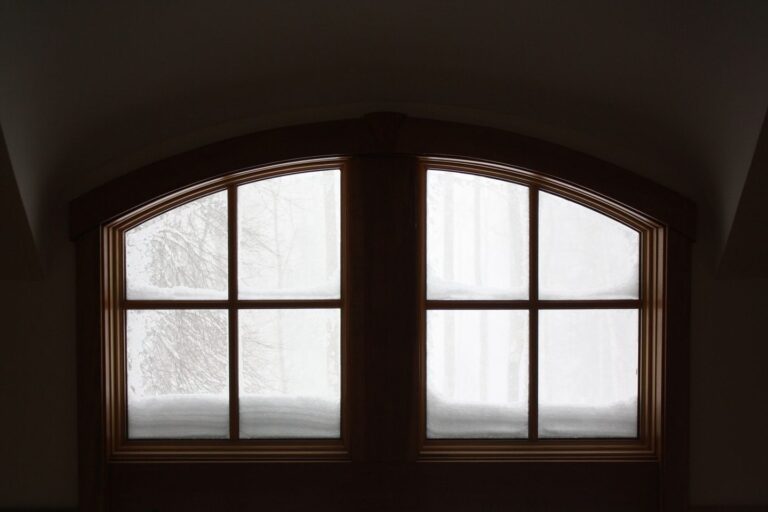
Inspect suitable door and window seals for visible gaps or deterioration. Replace weatherstripping and caulk only with products appropriate for the materials. Do not seal vents or combustion-air openings that the building needs.
If rooms are persistently cold or damp, ask an appropriate professional about air leakage, insulation, ventilation, and heating performance. Avoid promising a fixed bill reduction from one sealing job. The right solution depends on the building and climate.
Check roof drainage and the yard safely
Look for damaged roofing or blocked gutters from a safe location, then arrange clearing or repair where needed. Do not climb wet, icy, or awkward high surfaces to complete a checklist. Recurring leaks and heavy snow concerns need suitable assessment.
Remove loose debris from accessible paths. Have hazardous branches assessed by a qualified tree professional, especially near buildings or power lines. Secure or store outdoor furniture and equipment according to their instructions, leaving exits and utility access clear.
Prepare plumbing for local conditions
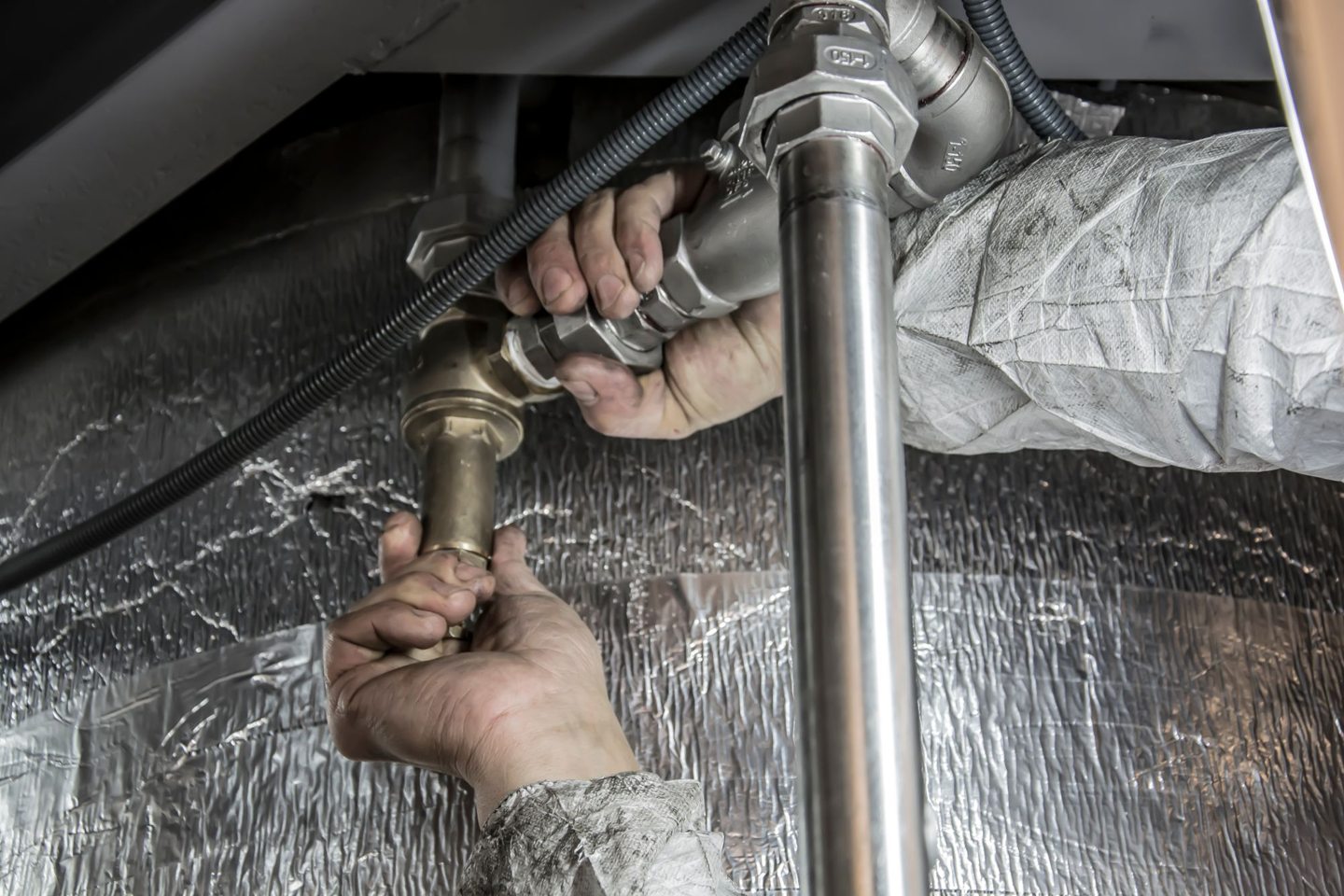
Disconnect and store hoses where local and fixture guidance calls for it, and follow instructions for outdoor taps and irrigation. Identify pipes exposed to cold and ask about appropriate insulation or protection. Do not assume every outdoor faucet is winterized in the same way.
Know how to stop water in an emergency and whom to call. If a pipe freezes, follow utility or professional guidance; do not apply an open flame. Address leaks promptly rather than covering dampness with storage or insulation.
Check supplies before buying more
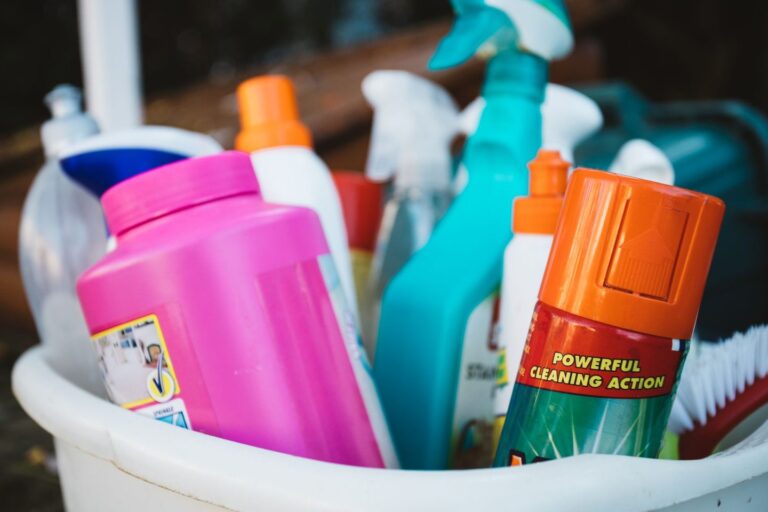
Gather water, food that does not need refrigeration or cooking, flashlights, batteries, warm clothing, blankets, medications, and first-aid supplies appropriate to the household. Include pets and any medical or access needs. Check the condition of existing equipment and replace only what is needed.
Choose snow shovels and traction or ice-treatment products that suit your surfaces and situation. Make a plan for help with snow removal if it would be unsafe or too strenuous. Keep equipment accessible without blocking the entrance.
Review alarms and the outage plan
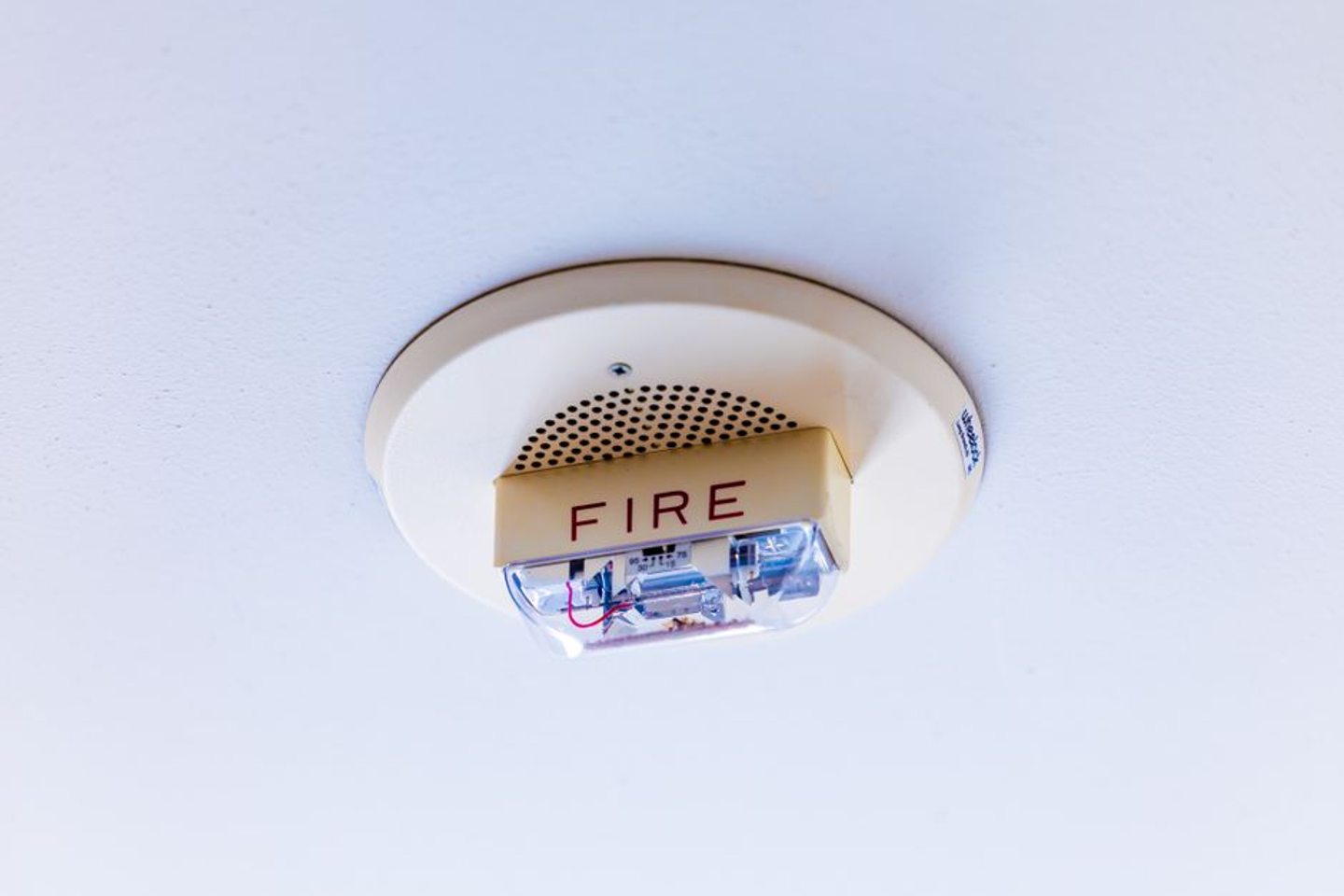
Maintain smoke and carbon monoxide alarms according to their own instructions and local rules. Discuss what to do when an alarm sounds. Do not disable an alarm because it is inconvenient, and do not assume every alarm has the same battery or replacement timetable.
Plan how to stay informed during severe weather and where to go if the home becomes unsafe. Never use a gas oven or stovetop as a room heater. Operate generators only outdoors in the location and manner official guidance and the manufacturer require, away from doors, windows, and attached garages.
Read insurance terms, then review the checklist
Check the actual policy for relevant cover, exclusions, excess or deductible, and duties when the home is vacant or during freezing weather. Ask the insurer or broker about unclear terms. A checklist cannot establish that burst pipes, snow damage, or another loss is covered.
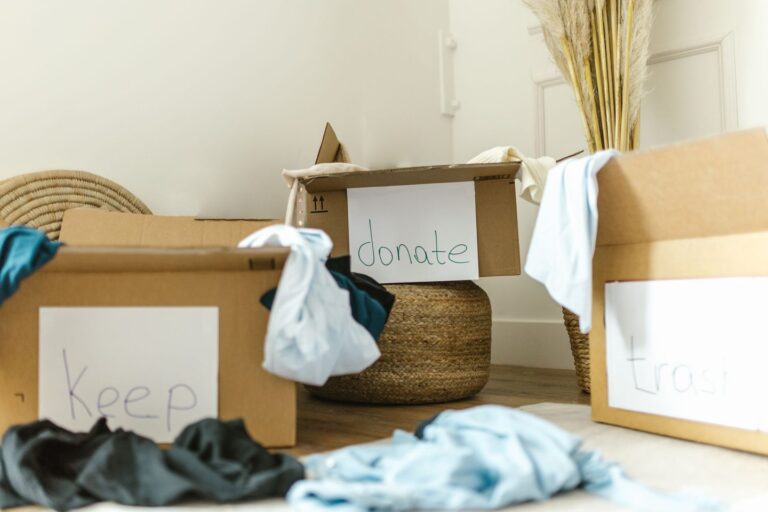
Keep the remaining repairs visible and record completed servicing. The storage searches below are optional organizer categories, not tested products or emergency supplies. Use vacuum bags only for textiles whose care guidance permits them. See Ready.gov’s winter guidance for official preparation and generator precautions.
Amazon category searches
Optional browsing links. Check the specific listing, dimensions, materials, instructions, and current terms before buying.