Home Office Organization Ideas for Small Spaces
Home Office Organization Ideas for Small Spaces
INTRO
So, you’ve got a small space and a million things to manage? Welcome to the home office organization struggle. Trust me, I know the feeling; trying to cram all your work essentials into a tiny corner can feel like solving a Rubik’s cube while blindfolded. If you’re working from home, having an organized workspace is more than just a nicety; it’s essential for productivity and sanity. Finding home office organization ideas that work can turn a chaotic corner into a productive haven. After all, clutter breeds stress, and nobody needs that while tackling their to-do list.
When I first started working from home, I thought I could get by with a makeshift desk in the corner of my bedroom. But it quickly became apparent that I needed a better system in place. I found myself getting distracted easily, overwhelmed by the mess surrounding me. It was a reminder that our environment plays a significant role in our ability to focus and create. So, get cozy, grab a drink, and let’s explore how to maximize your small space with some genius home office organization ideas that can lead you to a more serene and efficient work experience.
WHY THIS MATTERS
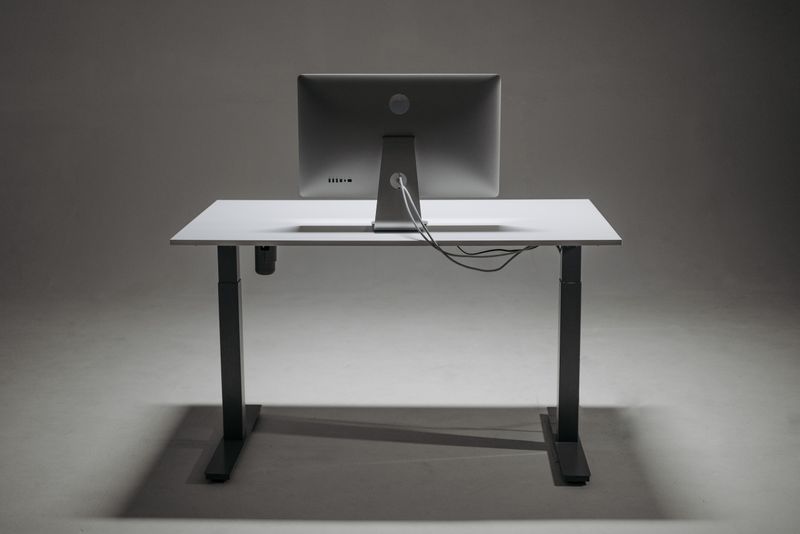
A few years ago, I found myself working from my cramped bedroom, surrounded by piles of papers and a hodgepodge of office supplies. Every time I needed something, I had to sift through the mess, wasting time and knocking over coffee mugs in the process. Sound familiar? Research shows that a clean and organized workspace can boost productivity by up to 20 percent. Imagine what you could accomplish with that extra time!
I finally decided enough was enough and started investigating home office organization ideas. The transformation was shocking: my little nook became my favorite place in the house. Part of this metamorphosis involved decluttering and reorganizing my supplies. It was a process, but it made all the difference. It’s amazing how much a tidy space can change your mindset and help you focus on what really matters. By sharing these strategies with you, I hope to inspire you to create a personal oasis where you can thrive and do your best work.
MAIN TIPS/STEPS
1. Embrace Vertical Space
When floor space is limited, look to the walls. Installing wall shelves is one of the best home office organization ideas for small spaces. I added floating shelves above my desk, and they gave me a tidy spot to store books, plants, and decorative boxes without taking up precious desk real estate. Use decorative boxes for a chic way to hide away documents or supplies if you want to keep them out of sight but still accessible. Vertical storage not only saves space but also adds character to your office.
Additionally, think about using wall-mounted pegboards, which can serve a dual purpose. They not only hold supplies but also create a stunning visual display of your work essentials. I’ve seen friends use pegboards to hang their most-used tools or even artwork, making their workspace feel more personal and inviting.
2. Get Creative with Multi-Functional Furniture
Why buy separate desks and cabinets when a single piece can do it all? Multi-functional furniture is a big win for small home offices. Consider a desk with built-in drawers or a fold-out table that can be tucked away when not in use. I recently invested in a drop-leaf table that serves as a workspace and a dining table when friends come over. The best part? I can fold it down and clear space in seconds. It’s like having my cake and eating it too.
If you have the budget, look for a stylish storage ottoman that doubles as seating. This way, you can keep extra supplies inside without sacrificing comfort or style. I have a friend who uses a storage bench at her small desk. It fits perfectly under the desk and holds everything from notebooks to extra cables, making it a functional addition to her office.
3. Use Drawer Organizers
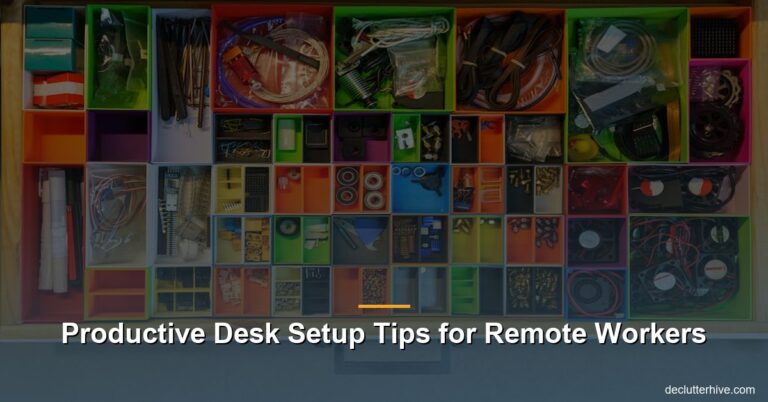
One of the simplest home office organization ideas that I swear by is using drawer organizers. Whether it’s your stationery, gadgets, or random knick-knacks, keeping everything sorted makes it easier to find what you need without the clutter. I bought a set of clear drawer dividers and sorted my office essentials: pens in one section, sticky notes in another, and chargers in their own little cove. Not only did this reduce the chaos, but I also ended up finding things I had long forgotten about.
Consider customizing your organizers with labels to take it a step further. I used a label maker to create tags for each section. This made it easy for me to find what I needed quickly, especially during busy workdays when time is of the essence. Plus, it looks neat and polished!
4. Create a Paper Management System
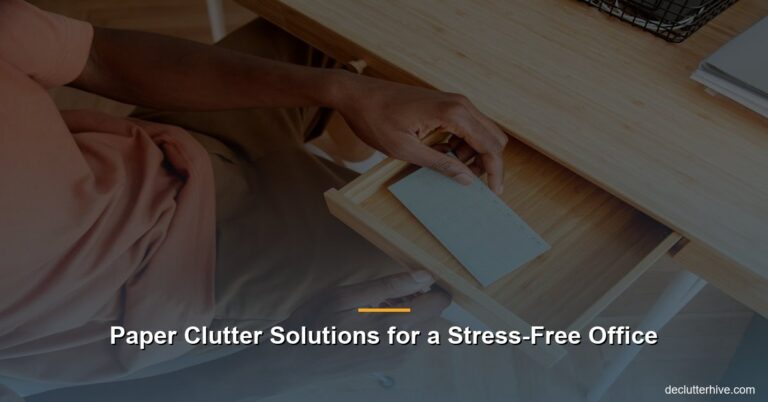
Paper can be a silent killer in any workspace. Without a proper management system, it can quickly overwhelm you. I learned this the hard way, almost drowning in a sea of unchecked to-do lists and important documents. Creating a filing system can save your sanity. Invest in a couple of folders, one for active projects and another for archived ones. Label them clearly, so you know exactly what goes where. A simple “In Progress” and “Completed” will help you focus on what matters now. The key is to tackle paper clutter immediately; don’t let it pile up.
In my journey, I found that having a “To File” box helped. I could quickly toss papers in there instead of letting them scatter across my desk. At the end of the week, I would take time to sort through the box, ensuring nothing important was lost in the shuffle.
5. Designate a Clearing Zone
When you’re working in a small office, it’s easy to let clutter creep in. Designate a clearing zone on your desk where you can only place the essentials. This zone should be reserved for your laptop, notebook, and perhaps a single plant for a bit of green. I often find myself distracted by random papers or coffee cups. By establishing this clear boundary, I keep the clutter at bay, and it also reminds me to keep my workspace tidy throughout the day.
For inspiration, look at how coffee shops organize their workspaces. They often have a clear area for laptops and a distinct spot for drinks. You can adapt this idea for your own desk to create a work-friendly zone that minimizes distractions.
6. Use Pegboards
Pegboards are a charming and functional addition to small home offices. They allow you to hang tools, office supplies, or even artwork while keeping them visible and accessible. I installed a pegboard above my desk and organized my frequently used items like scissors, tape, and a calendar. This not only made my supplies easy to grab but also added a colorful touch to my workspace. Plus, you can change the layout easily whenever you feel like a refresh.
To make it even more versatile, consider using hooks and small baskets on the pegboard. I use a few tiny baskets to hold sticky notes and paper clips, while hooks are great for hanging my headphones. It’s a simple way to keep items organized while still allowing for creativity on the wall.
7. Go Digital Where Possible
Finally, think about what you can move online. Going digital is one of the smartest home office organization ideas for small spaces. Instead of printed reports or documents, opt for digital files. I shifted most of my notes to cloud storage and noticed a significant reduction in the paperwork clutter. By using apps to manage tasks and schedules, I kept my desk free from unnecessary papers and sticky notes. The bonus is that you can access your files from anywhere, making your office truly mobile.
In my experience, tools like Google Drive and Trello have revolutionized the way I work. I no longer need to keep physical copies of everything; I can store files, collaborate in real-time, and even share documents easily. It’s a big win for anyone trying to maximize their small workspace!
COMMON MISTAKES
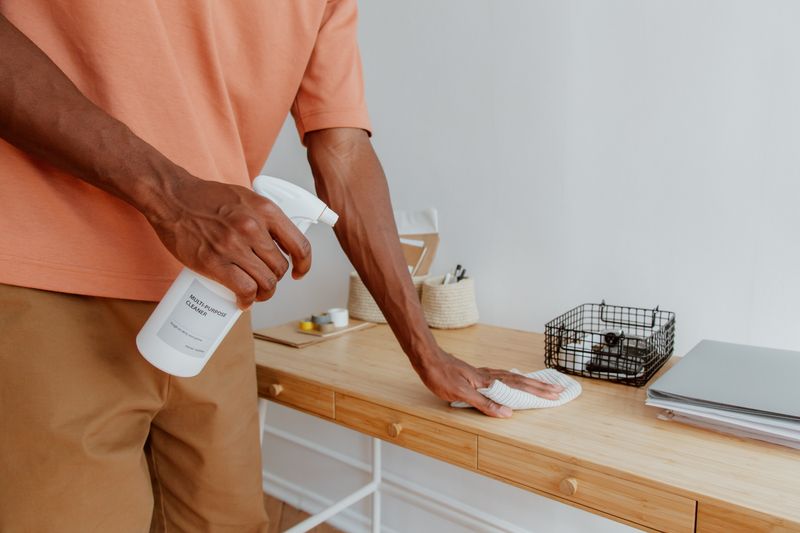
- Ignoring Daily Maintenance: One of the biggest mistakes I see when it comes to home office organization is neglecting daily upkeep. Make it a habit to spend five minutes at the end of each day tidying up. It’s simple and will keep clutter from becoming overwhelming.
- Overloading Shelves: It’s tempting to fill every inch of available storage, but overloading shelves can lead to accidents and a visually chaotic space. Stick to a rule: if you have to shove things around to fit them, it’s time to declutter.
- Not Evaluating Your Needs: Before you start implementing these home office organization ideas, take a moment to evaluate what you actually need. I wasted time and money buying organizers that didn’t meet my needs. Understand your workflow, and then customize your organization system accordingly.
- Sticking with the Same Setup: Finally, be willing to change things up. What works for you now might not work in a few months. I’ve rearranged my office multiple times to adapt to new projects and supplies. Don’t be afraid to experiment until you find what feels best for you.
QUICK SUMMARY / TL;DR
- Embrace vertical space with shelves.
- Invest in multi-functional furniture.
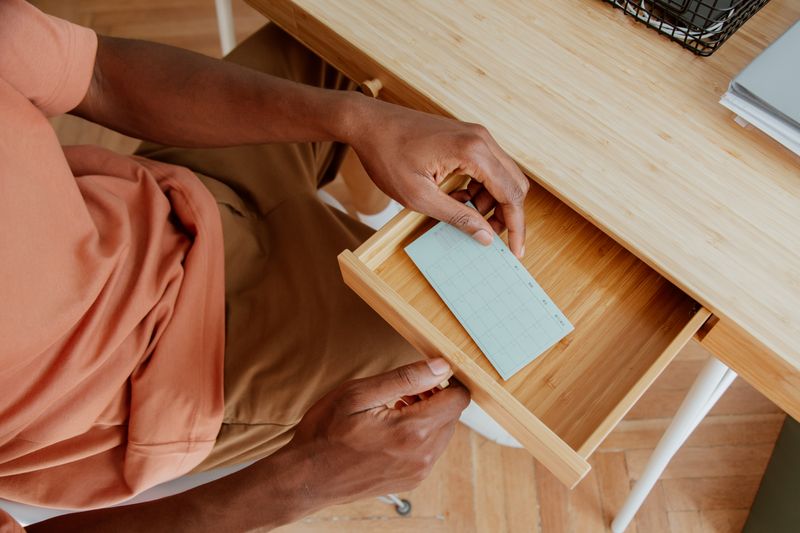
- Use drawer organizers to keep supplies sorted.
- Create a paper management system to tackle paperwork efficiently.
- Designate a clearing zone to avoid clutter.
- Use pegboards for decorative and functional storage.
- Go digital to reduce paper clutter.
Products That Actually Help
A few things that make a real difference here:
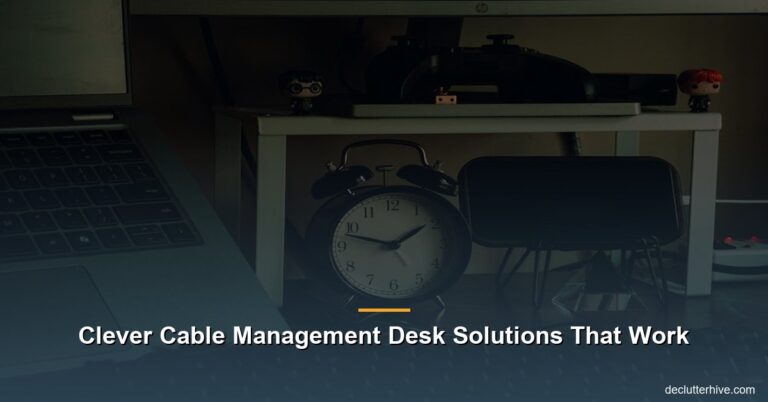
- Cable Management Box – This box hides the power strip and cord chaos under the desk.
- Desk Organizer Tray – A tray keeps pens and sticky notes from drifting across the whole desk.
- Monitor Stand With Storage – Raising the monitor frees up a drawer’s worth of desk space underneath.
Note: links above go to Amazon search results for these products.
CONCLUSION
Ready to revamp your tiny office? Start implementing these home office organization ideas today! A little creativity goes a long way in transforming your cramped quarters into a space that inspires productivity. Remember, the goal is to create an environment that not only helps you stay organized but also reflects your personality and style.
The journey to a more organized home office may take time, but every small step counts. Don’t be discouraged by the initial chaos; instead, embrace the process of decluttering and organizing. You’ll soon find that a well-organized space not only enhances your productivity but also contributes to your overall well-being. Take these ideas and make them your own, and watch as your small home office evolves into a sanctuary for creativity and focus.