Minimalist Living Tips for Beginners to Simplify Life
Minimalist Living Tips for Beginners to Simplify Life
Does your home feel more like an overstuffed closet than a peaceful sanctuary? Are you overwhelmed by stuff,from kitchen gadgets you’ve used once to clothes you forgot you even owned? If that sounds familiar, you’re not alone. Minimalist living has become an increasingly attractive lifestyle for those looking to simplify their lives, save money, and reclaim their time. But starting can feel daunting, especially for beginners who don’t know where to begin.
Here’s the good news: minimalist living isn’t about deprivation or living with nothing. It’s about making conscious choices and focusing on what truly matters to you. Minimalism isn’t just a buzzword,it’s a lifestyle that can lead to more freedom, less stress, and more meaningful experiences.
In this guide, we’ll break down practical, relatable minimalist living tips for beginners so you can take control of your life, your space, and your mind. These aren’t extreme suggestions that involve tossing every belonging you have. Instead, they’re small, actionable steps to help you get started. Trust me, once you get the hang of it, you’ll wonder why you didn’t start sooner. So, ready to get rid of the clutter and make room for what you love? Let’s dive into these minimalist living tips for beginners!
—
Why Minimalist Living Matters
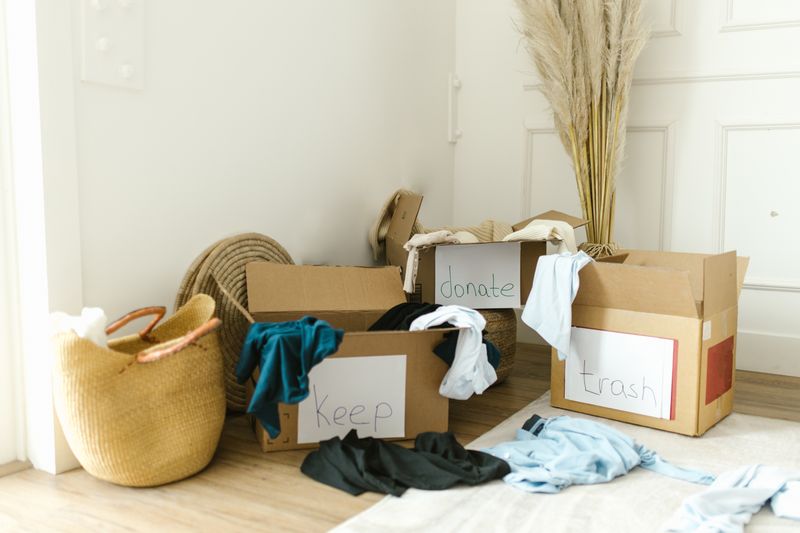
Here’s why this topic hits home for me: a few years ago, I realized I was drowning in clutter. My closet was overflowing with clothes, yet I felt like I had nothing to wear. My kitchen cupboards were packed with food and gadgets, but I always ended up ordering takeout. My brain constantly felt “noisy” from all the stuff around me, and I didn’t even know it was affecting my mental health.
Did you know that Americans, on average, spend $18,000 a year on nonessential items? That stat floored me. When I thought about how much money and mental energy I was wasting on stuff I didn’t even need, I knew something had to change.
Minimalist living isn’t just about tossing out half your belongings. It’s about living intentionally,deciding what adds value to your life and letting go of the rest. It’s like giving yourself the gift of breathing room, both physically and mentally. If you’ve ever felt like you’re in a constant loop of buying and cleaning, then getting started with minimalism might just be the breath of fresh air you need.
Plus, minimalist living isn’t just good for you,it’s great for the environment. By consuming less, you’re reducing waste and your carbon footprint. Living minimally can help contribute to a more sustainable world while improving your quality of life.
—
Minimalist Living Tips for Beginners
1. Start Small: Choose One Area to Declutter
Taking on your entire home at once is overwhelming. Instead, pick one area,or even one drawer,and focus on that. For example, start with your kitchen junk drawer. Dump everything out, toss what’s broken or unused, and only keep the essentials. You’ll feel a sense of accomplishment, and that momentum will encourage you to tackle the next space.
I started with my bathroom cabinet. It was packed with half-empty bottles of shampoo I didn’t like, expired makeup, and skincare samples I never used. After tossing the unnecessary items and organizing what was left, I realized how much easier my mornings became. No more sifting through clutter to find what I needed.
2. Follow the “One In, One Out” Rule
Every time you bring something new into your home, get rid of something else. Bought a new T-shirt? Donate an old one you haven’t worn in months. This simple rule helps prevent clutter from creeping back in and keeps your home balanced.
I’ve found that this rule works particularly well with kids’ toys. Before my child brings in a new toy, they know they’ll have to give away one they’ve outgrown. It not only keeps the clutter under control, but it also teaches kids about gratitude and giving back.
3. Ask the Hard Questions
When deciding whether to keep something, ask yourself: “Do I actually use this?” “Does it add value to my life?” or “Would I buy this again today?” These questions help you focus on what’s important and make it easier to let go of the rest.
For example, I once held onto a pair of jeans for three years because they were expensive, even though they didn’t fit. Once I let go of the guilt and donated them, I felt like a weight lifted off my shoulders.
4. Digitize When You Can
Physical clutter isn’t the only form of clutter. Papers, books, and photo albums can also take up unnecessary space. Scan important documents and store them digitally. Use apps to organize receipts, bills, and even recipes. Not only does this free up space, but it also makes it easier to find things when you need them.
For me, tackling my collection of old receipts and warranties was a big win. After I digitized everything and recycled the physical paperwork, I felt a sense of calm every time I opened my desk drawer.
5. Adopt a Daily Decluttering Habit
Set aside five to ten minutes each day to tidy up a small area. It could be your desk, your nightstand, or even your email inbox (digital clutter counts too!). Making this a daily habit keeps things from getting out of control and helps maintain your minimalist lifestyle.
On a personal note, I like to make decluttering a part of my morning routine. Right after my cup of coffee, I’ll pick a small area,like my kitchen counter or my sock drawer,and tackle it. By the time I start my workday, I already feel productive and in control.
6. Focus on Quality, Not Quantity
Minimalist living isn’t about owning the cheapest or fewest items possible. It’s about owning things that truly serve you. Instead of buying five cheap T-shirts that wear out quickly, invest in two or three high-quality ones that will last. This mindset shift can save you money in the long run and help you appreciate the things you do own.
I once splurged on a high-quality chef’s knife after struggling with cheap ones for years. It was a bit of an investment, but I use it almost every day, and it’s made cooking so much more enjoyable.
7. Make Room for Experiences Over Things
One of the best parts of minimalist living is realizing that you don’t need a ton of material possessions to be happy. Instead of focusing on acquiring more stuff, spend your time and money on experiences,travel, concerts, dinners with friends, or simply spending quality time with loved ones. Trust me, you’ll remember those moments way longer than the latest gadget.
Last year, instead of throwing an elaborate birthday party, I took my mom on a weekend road trip. We didn’t buy any souvenirs, but we came back with a camera roll full of pictures and memories I’ll treasure forever.
8. Create a Capsule Wardrobe
A capsule wardrobe is a small collection of versatile clothing items that you can mix and match. This practice ensures you have outfits for every occasion without a packed closet. Start by selecting a few neutral basics and layering pieces, then adding a couple of statement items for variety.
When I started my capsule wardrobe, I realized I only wore about 20% of the clothes I owned anyway. Now, getting dressed is so much easier, and I always feel confident in what I’m wearing.
9. Practice Gratitude Daily
Minimalism is as much about mindset as it is about stuff. Take a moment every day to appreciate what you already have. Gratitude helps you focus on abundance rather than lack, making it easier to resist the urge to accumulate more.
For instance, I keep a small gratitude journal where I jot down three things I’m thankful for each day. It’s a simple practice that helps me feel content with what I have rather than constantly longing for more.
—
Pro Tips and Common Mistakes
Pro Tips to Simplify Minimalism
- Create a “Maybe” Box: If you’re unsure about letting go of something, put it in a box and store it out of sight. If you don’t use it within a month, let it go.
- Give Yourself a Limit: For example, only allow yourself 30 hangers in your closet. This forces you to prioritize what you truly love and wear.
- Schedule “No-Buy” Months: Challenge yourself to a month where you only buy essentials like groceries and toiletries. This can help reset impulsive shopping habits and save money.
Common Mistakes to Avoid
- Trying to Do It All at Once: Minimalism isn’t a race. Taking on too much can lead to burnout and frustration. Start small and build from there.
- Becoming Obsessed With Perfection: Minimalist living doesn’t mean your home has to look like a Pinterest board. It’s about what works for you, not a picture-perfect ideal.
- Throwing Things Away Too Quickly: In your excitement to declutter, don’t just toss things in the trash. Donate, recycle, or sell items whenever possible. It’s better for the environment and gives your stuff a new life.
—
Products That Actually Help
A few things that make a real difference here:
- Multi-Purpose Storage Baskets – Simple woven baskets hide clutter without adding visual noise.
- Digital Photo Frame – A digital frame lets you keep photo memories without the physical clutter.
- Capsule Wardrobe Hangers – Matching hangers alone make a closet look instantly more intentional.
Note: links above go to Amazon search results for these products.
Quick Summary / TL;DR
- Start small,focus on one area like a drawer or closet.
- Use the “one in, one out” rule to prevent clutter from building up again.
- Ask yourself if each item adds real value to your life.
- Digitize paperwork and photos to reduce physical clutter.
- Build a daily decluttering habit to stay on track.
- Choose quality over quantity when buying new items.
- Prioritize experiences and relationships over material possessions.
Ready to simplify your life? Start with just one small change today. Trust me, you’ll feel lighter, happier, and more in control. Minimalist living isn’t about giving things up,it’s about gaining peace of mind and making space for what truly matters.
—