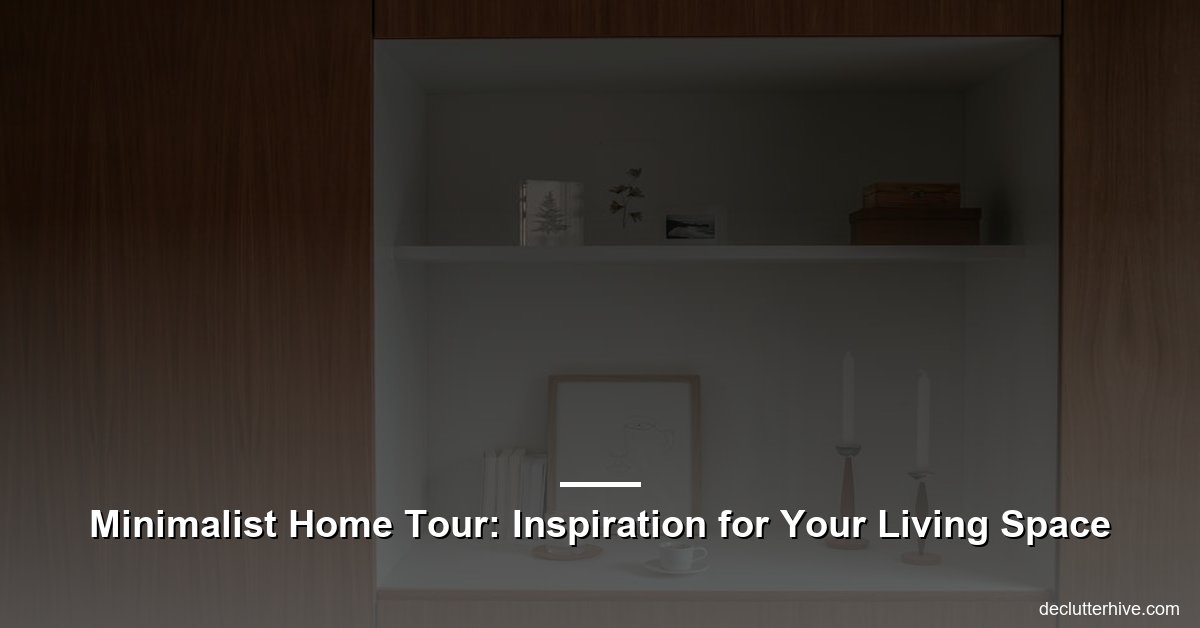
Minimalist Home Tour: Inspiration for Your Living Space
Minimalist Home Tour: Inspiration for Your Living Space
SECTION 1 – INTRO
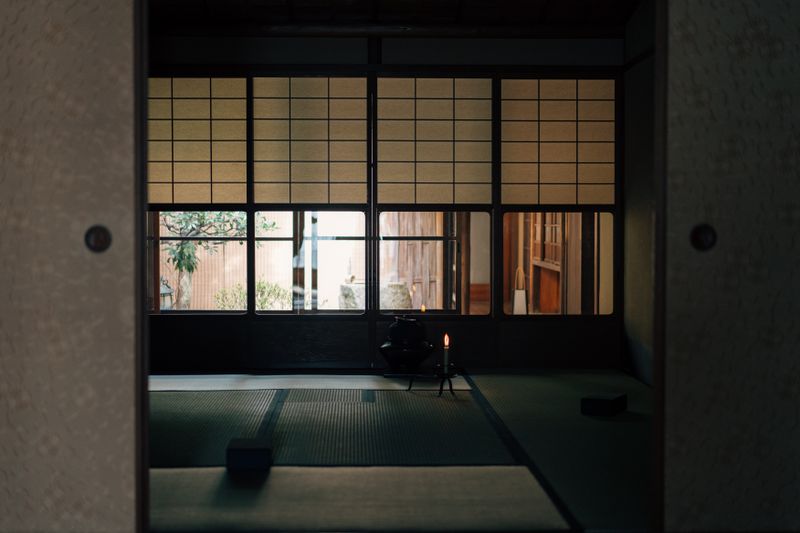
Have you ever walked into a home and felt instantly calm, like you could breathe easier and think more clearly? That’s the magic of minimalism. Welcome to this minimalist home tour, where we’ll explore how pared-down spaces can transform not just your living area but also your mindset.
Whether you’re drowning in clutter, overwhelmed by life’s chaos, or just curious about creating a serene environment, this post is for you. Minimalism isn’t just an aesthetic,it’s about creating practical, meaningful spaces that spark joy without the excess.
Think cozy corners without the piles of throw blankets. Think sleek surfaces without random knick-knacks collecting dust. You don’t have to be a hardcore Marie Kondo devotee to embrace the minimalist vibe. I’ll walk you through tips, examples, and insider tricks to create a home that feels light, intentional, and peaceful. Ready to rethink your space? Let’s jump into it.
—
SECTION 2 – WHY THIS MATTERS
A few years ago, I thought my home needed to look like a Pinterest board,a mix of boho decor, farmhouse vibes, and quirky collectibles. The result? A chaotic space that left me feeling stressed and uninspired. I’d walk into my living room and see clutter everywhere: unused candles, books I never read, and random decor that didn’t match. It was exhausting.
Then I read something that stuck with me: the average American home contains over 300,000 items. 300,000 things! No wonder I felt overwhelmed. That statistic shook me awake, and I decided enough was enough,I needed less stuff and more peace.
Turning to minimalism was a breath of fresh air. It transformed how I felt about my home. Now, every item in my space serves a purpose or sparks joy. And guess what? I’m happier, calmer, and even save money by avoiding impulse buys. If you’ve been feeling cluttered and chaotic too, this minimalist home tour will show you how simplicity can be a big win.
—
SECTION 3 – MAIN TIPS/STEPS
1. Start with a Decluttering Session
Minimalism begins with letting go. Dedicate one weekend to decluttering your living room and be ruthless. Pick up each item and ask yourself: “Do I love this? Does it serve me?” If the answer is no, it’s time to part ways.
When I decluttered my space, I realized I was holding onto things out of guilt,like that ugly vase gifted by a distant relative or books I’d never read. Letting go felt liberating. Consider donating items to local charities or hosting a garage sale. Your space will feel lighter, and you’ll free up room for intentional pieces that truly belong.
2. Stick to a Neutral Color Palette
One key element of a minimalist home is a calm, cohesive color palette. Choose soft neutrals like whites, beiges, light grays, and earthy tones. These colors create a sense of openness and tranquility.
For example, I swapped my bold patterned rugs for a simple beige one and painted my bright blue walls a calming off-white. The transformation was instant. My living room felt bigger and more peaceful. If you’re feeling adventurous, add texture with natural materials like jute rugs or linen curtains while keeping the colors understated.
3. Invest in Multifunctional Furniture
Minimalism is all about doing more with less. So don’t just buy furniture,choose pieces that work overtime. Look for ottomans with hidden storage, coffee tables that double as desks, or sofas that convert into beds.
I replaced my bulky entertainment center with a sleek console table that holds my TV and serves as storage for small essentials. It opened up so much space in my living room without sacrificing functionality. Bonus tip: Avoid furniture that’s purely decorative. Every piece should serve a purpose.
4. Keep Surfaces Clear
Cluttered surfaces like coffee tables, kitchen counters, and shelves can ruin a minimalist vibe. Commit to keeping them as empty as possible. A minimalist home thrives on clean, open spaces.
For example, instead of filling my shelves with random decor, I kept just a few curated items: a small potted plant, a framed photo, and one book I actually love. My kitchen counters now only have essentials like a coffee maker and fruit bowl,no more stacks of mail or unused appliances.

5. Incorporate Natural Elements
Minimalist doesn’t mean cold or sterile. Add warmth by bringing nature into your home. Think houseplants, wooden furniture, or even small stone accents. These elements make your space feel grounded and alive.
I added a few low-maintenance plants to my living room, like a monstera and a snake plant. Not only do they look stunning, but they also improve air quality and add life to the room. If you don’t have a green thumb, dried pampas grass or faux plants work just as well.
6. Embrace Negative Space
Negative space is the empty space around objects in your home. A common mistake is thinking every inch needs to be filled,spoiler alert, it doesn’t. Leaving areas intentionally open creates an airy, calming effect.
For instance, I once had a giant gallery wall filled with mismatched frames. It felt overwhelming and busy. Now, I’ve pared it down to two larger pieces of art with blank walls around them. The result? My space feels serene and uncluttered.
7. Edit Regularly
Minimalism isn’t a one-and-done project,it’s an ongoing process. Every couple of months, do an “edit” where you reevaluate your space. Are there items lingering that no longer serve you? If yes, it’s time to let them go.
I have a rule: If I don’t use or love something within six months, it gets donated or sold. This habit keeps my home from reverting back to chaos. A minimalist home requires maintenance, but it’s worth the effort to keep the peace alive.
—
SECTION 4 – PRO TIPS OR COMMON MISTAKES
Pro Tip 1: Use Storage Wisely
Minimalism isn’t about hiding clutter,it’s about eliminating it. Avoid shoving things into closets and drawers just to create the illusion of tidiness. Instead, use storage intentionally. Clear bins, baskets, or organizers can keep essentials neatly tucked away without turning your home into a hidden mess.
Pro Tip 2: Avoid Overdecorating
Minimalist doesn’t mean boring, but it’s easy to go overboard with decor. Stick to a few statement pieces that bring personality to your space. For example, a single large piece of art can make more impact than ten small ones crammed together.
Common Mistake 1: Buying More Stuff
Ironically, many people buy new “minimalist” decor,think trendy vases or sleek furniture,instead of editing what they already have. Minimalism isn’t about adding, it’s about subtracting. Before buying anything new, ask yourself if it’s truly necessary.
Common Mistake 2: Ignoring Comfort
Minimalist spaces can sometimes feel too stark or uninviting. Strike a balance between clean lines and comfort. Add cozy touches like a soft throw blanket or cushions, but keep them intentional and uncluttered.
—
SECTION 5 – QUICK SUMMARY / TL;DR
- Declutter ruthlessly. Get rid of items that don’t serve you.
- Stick to neutral, calming colors like whites, beiges, and light grays.
- Choose multifunctional furniture to save space and increase functionality.
- Keep surfaces clear,no clutter, just essentials.
- Add natural elements like plants or wooden accents for warmth.
- Embrace negative space; leave some areas intentionally open.
- Edit your space regularly to maintain minimalism.
Minimalism is more than a design trend,it’s a lifestyle that brings peace, clarity, and purpose to your home. Ready to transform your living space? Start your minimalist journey today!
—
Products That Actually Help
A few things that make a real difference here:
- Multi-Purpose Storage Baskets – Simple woven baskets hide clutter without adding visual noise.
- Digital Photo Frame – A digital frame lets you keep photo memories without the physical clutter.
- Capsule Wardrobe Hangers – Matching hangers alone make a closet look instantly more intentional.
Note: links above go to Amazon search results for these products.