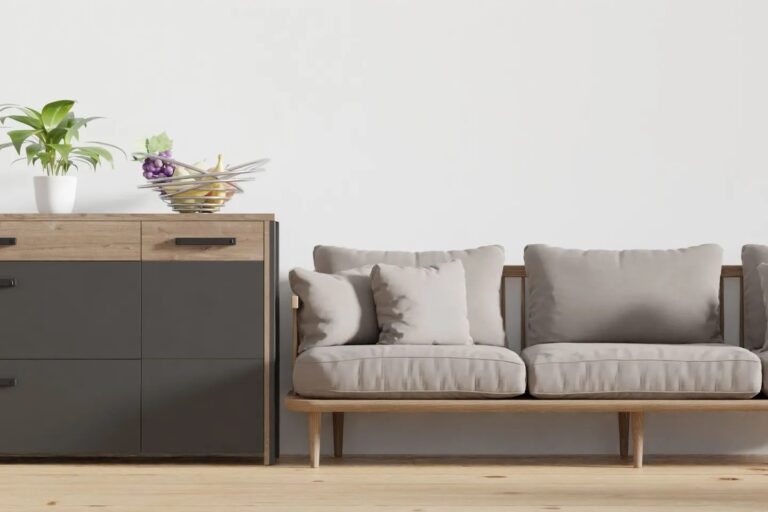
10 Must-Have Products for Minimalist Organizing
Minimalist organizing does not require ten new products. The categories below are options to compare only after deciding what you want to keep and what storage problem remains. Use existing furniture and containers where they work. This is a buying guide to fit and function, not a list of personally tested products or a claim that buying these things will change your life.
Disclosure: These links open Amazon search results. They are optional browsing suggestions, not verified product reviews or price/availability checks.
1. Clear storage bins

A clear bin may make a small category visible, but check dimensions, lid access, weight when full, and the intended environment. Store items clean and dry and keep the label visible. A bin that cannot be lifted safely or blocks access is not useful.
Sort before buying. Do not use a collection of new containers to avoid deciding what belongs in the space.
2. Furniture with more than one use
A storage ottoman, bed drawer, or table with a compartment can suit a particular room. Compare its footprint, stability, load capacity, lid or moving-part safety, and ease of cleaning.
Do not replace working furniture merely to meet a minimalist style. Hidden storage still needs an accessible, defined category, and a lid that is awkward to open may make daily use harder.
3. Suitable hangers
Choose hangers for the garment weight, shape, and care requirements. Slim hangers may use less rail space than some alternatives, but they do not automatically make a crowded wardrobe functional.
Check the rail’s load and leave enough room to remove and return clothes. A matching set is optional. Keep existing hangers that support the garments well.
4. Labels, with or without a label maker
Plain tape, a marker, printed labels, or a label maker can identify broad categories. Test the layout first and check adhesive compatibility with the surface. Put labels where they are visible during ordinary use.
A label maker is not essential. Too many detailed categories can create more maintenance than a few clear shelf or bin labels.
5. Drawer organizers
Measure internal width, depth, and usable height, including screws or mechanisms that reduce clearance. Arrange tools before choosing an insert and leave room to lift them out.
Check material care and stability. An adjustable divider still has size limits and should not press against a drawer mechanism. Store sharp tools in a system designed to secure their edges.
6. Wall shelving

Shelving can use a wall when the material, fixings, and installation support the load. Check rental permissions and hidden services before drilling, and use suitable help where needed.
Keep heavy or breakable objects out of risky overhead positions. A shelf adds a surface to clean and does not have to replace every floor-standing piece of furniture.
7. Folding baskets
A collapsible basket may be useful for a temporary light category if its base, handles, and material suit the contents. Check whether it stays stable when partly full and whether it can be cleaned.
Dry it before folding and store it in a known place. There is little benefit in buying several foldable baskets that remain full of unsorted objects all year.
8. Under-bed storage
Measure the gap, floor conditions, retrieval route, and space needed to open the lid. Leave required ventilation and access clear. Store only materials suited to that environment.
Do not seal damp clothing or bedding into bags. Use compression only where textile care allows it, and leave enough room to clean under the bed.
9. A small desk organizer

Choose a tray or holder for the supplies used at the desk, not a larger imagined inventory. Check that it leaves usable working space and does not block equipment ventilation.
Give incoming paperwork a defined next step rather than calling a permanent pile organized. Keep required records and private information secure.
10. Art or display storage you genuinely want
Art is optional and does not need to be ‘minimalist’ to belong in a simple home. Keep pieces you value and mount them appropriately. There is no requirement to replace existing art with a particular style.
A digital frame is another optional way to view images, but check privacy, account requirements, file access, power use, and backups. The existing searches below are category links, not tested recommendations. Buy only for a defined need after comparing the actual listing and total cost.
Amazon category searches
Optional browsing links. Check the specific listing, dimensions, materials, instructions, and current terms before buying.