7 Smart Toy Storage Ideas for an Organized Living Room
Toys in a living room can be tamed with a few storage spots and a simple rotation. This guide covers furniture that doubles as storage, bins and a routine children can follow. Safety matters in a room used by young children, so there are notes on lids, tipping and small parts.
Disclosure: These links open Amazon search results. They are optional browsing suggestions, not verified product reviews or price/availability checks.
Choose storage with safe lids

Open low bins and baskets are a simple way to avoid an enclosed toy chest. Chests and storage ottomans can trap a child inside or under a falling lid. A soft-close hinge alone does not establish safety. If choosing a toy chest, check the intended age, recall status, unblocked ventilation, absence of an automatic locking latch, and lid supports that hold it open in every position. Follow the maker’s instructions rather than modifying ordinary furniture. See the CPSC chest warning.
Use a coffee table or ottoman with storage
A coffee table or ottoman may store adult-owned items, but do not assume it is child-accessible toy storage. Keep children away from unsuitable lift-top mechanisms and enclosed storage. Use an ottoman as seating only if the maker rates it for that purpose. Low open toy bins can serve children separately. Keep sharp or small items secured away from young children.
Add low cube shelves with bins
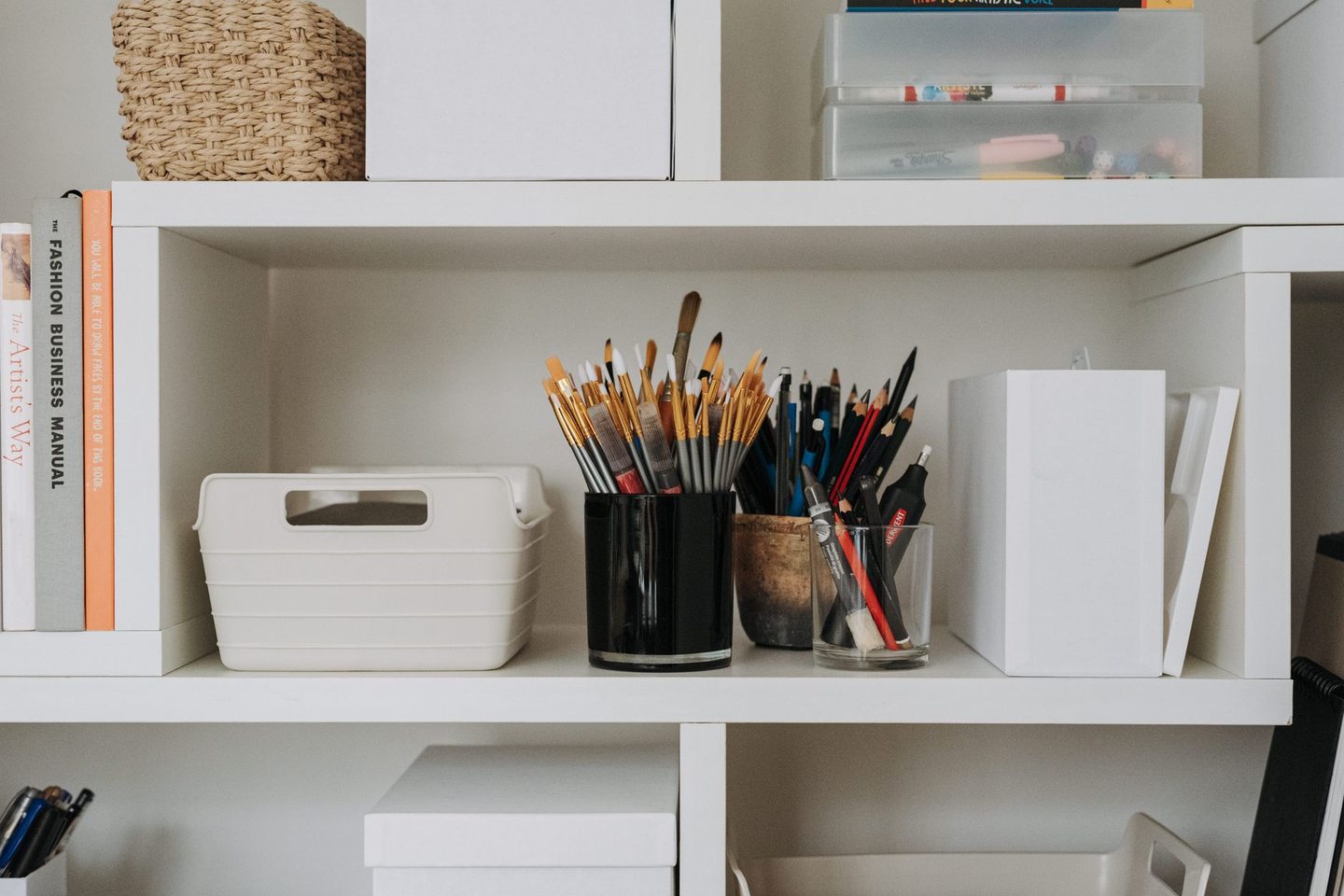
Cube units with bins let children see their toys. Assemble and secure the unit according to its instructions, using restraint hardware appropriate for both the furniture and wall. A supplied fixing may not suit every wall. Keep heavy items low and label bins with pictures for children who cannot read.
Rotate toys
Keep a third of the toys out and store the rest in a closet. Swap them every couple of weeks. Children often play more with fewer choices, and the room stays tidier. Keep a bin for items awaiting decision.
Keep small parts separate
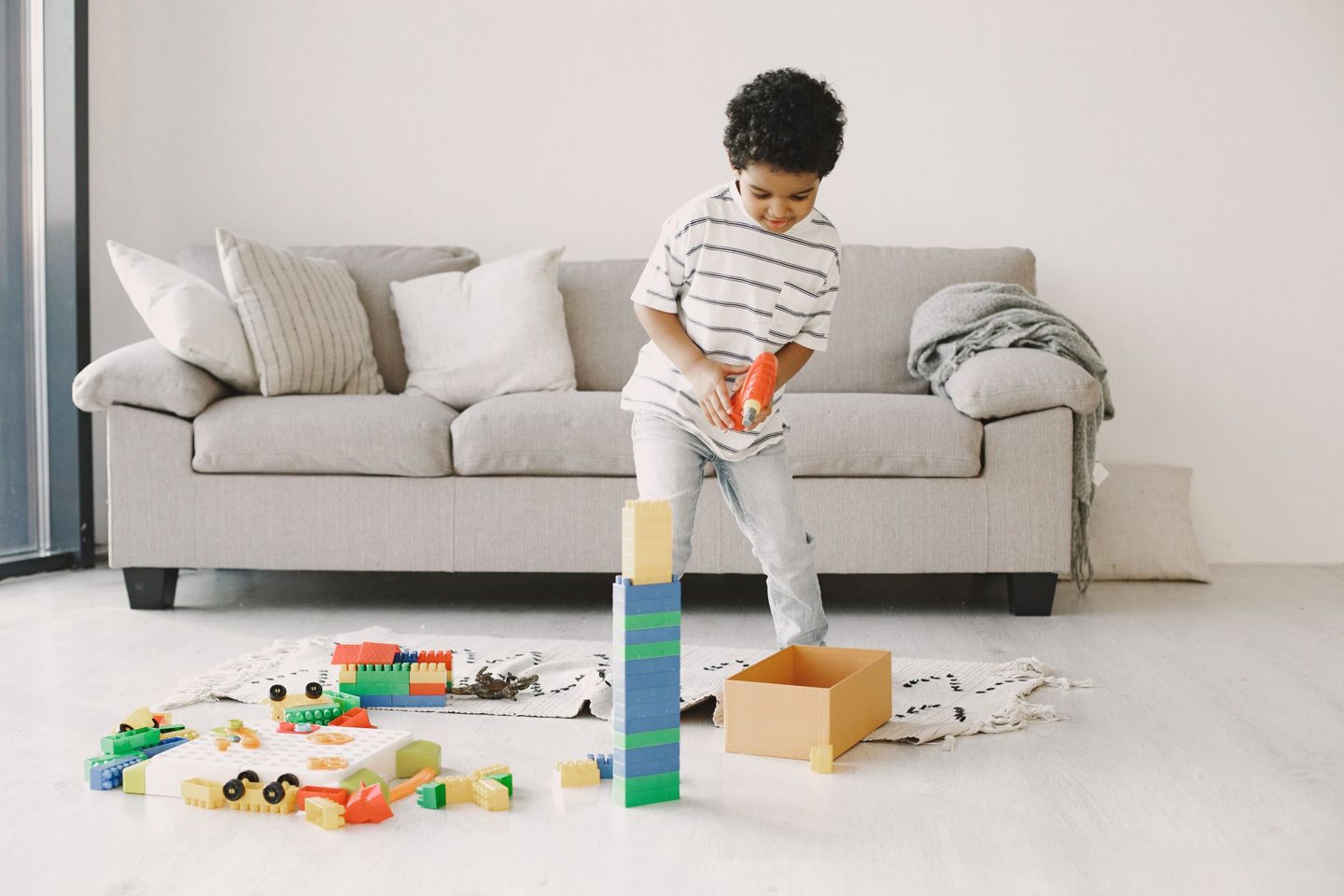
Toys with small parts should stay out of reach of children under three because of choking hazards. Check age labels on toys and keep older children’s items in a separate box.
Use wall space and a rolling cart
Floating shelves or wall cubbies can hold books and display pieces. A narrow rolling cart can hold craft supplies and move to another room. Fix shelves securely and keep heavy items low.
Build a tidy-up routine
Make a five-minute tidy part of the day before dinner. Sing a song or use a timer. Show children where each bin goes and praise effort. Keep expectations realistic for the child’s age.
Questions people ask
How do you store toys in a small living room?
Use furniture with built-in storage, low bins and a rotation system, so only some toys are out.
Are toy chests safe?
Not every chest or storage ottoman is suitable for children. Open low bins avoid lid and enclosure hazards. For a purpose-built toy chest, check the maker’s age guidance, lid support, ventilation, latch design and recalls. A soft-close label alone is not enough.
How often should toys be sorted?
Review toys every few months and after birthdays and holidays.
Amazon category searches
Optional browsing links. Check the specific listing, dimensions, materials, instructions, and current terms before buying.


