Top 8 Toy Storage Solutions for Your Living Room
Toys take over a living room fast. The best storage is easy for children to use, safe, and looks acceptable in a shared room. Here are eight options and what to check for each.
Disclosure: These links open Amazon search results. They are optional browsing suggestions, not verified product reviews or price/availability checks.
Storage ottomans

An ottoman can hide adult-owned items, but it is not automatically suitable for toy storage or seating. Use it as a seat only if the maker rates it for that use. For children’s everyday toys, open low bins avoid a hinged-lid enclosure. A soft-close hinge alone does not prevent entrapment or suffocation. Keep unsuitable chests and ottomans inaccessible to children.
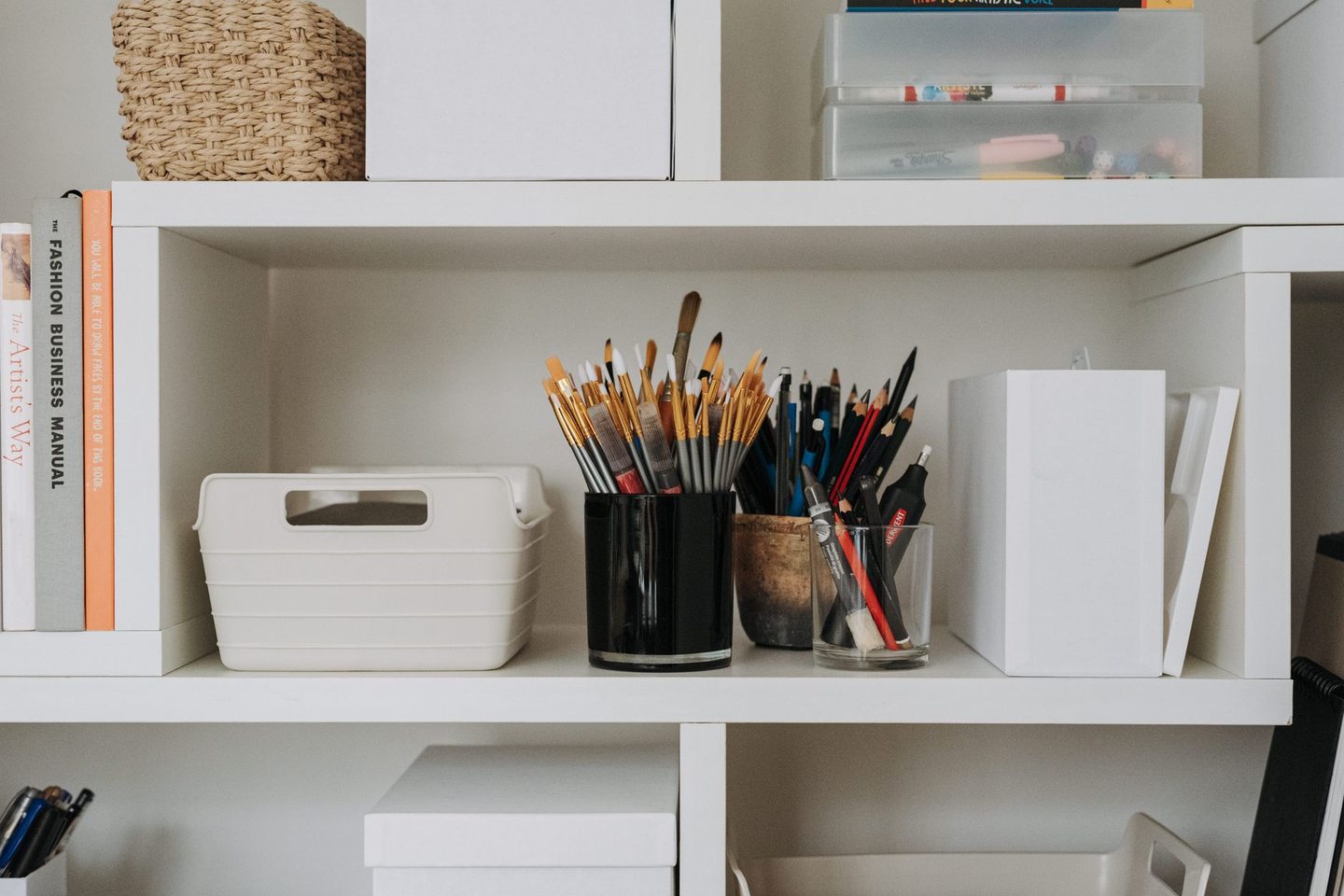
Cube shelves and bins
Cubes with bins make tidy-up simple. Label bins with words or pictures for young children. Choose neutral bins that blend with the room. Anchor tall shelving to the wall to prevent tipping.
Woven baskets
Baskets work for quick cleanups. Choose ones with handles, and check they have no loose ends or sharp wires a child could reach.
Rolling carts
A cart can hold adult-managed craft supplies. Follow its assembly and load limits, keep heavy items low and use wheel locks as directed. Locks do not make a cart climb-proof or tip-proof. Keep small parts and art supplies appropriate for the youngest child and inaccessible when needed.
Under-couch bins

Flat bins with wheels or sliders hold puzzles and board games in space that would be wasted. Keep small parts out of reach of babies and toddlers.
Wall shelves, trunks and play mats
Fix display shelves according to their instructions and wall type. Do not put appealing toys where children must climb to reach them. Avoid using an ordinary trunk as a toy chest. If choosing a toy chest, follow the maker’s age and use instructions, check recalls, and look for lid supports that hold the lid open in every position, unblocked ventilation and no automatic locking latch. Do not improvise safety modifications. See the CPSC chest warning. Choose a storage play mat suited to the child’s age and follow its cord and closure warnings.
Mistakes to avoid
- Overcomplicating the system so children will not use it.
- Buying lots of storage before reducing toys.
- Ignoring the decor of a shared room.
- Ignoring safety features such as lids and anchors.
Questions people ask
How many toys should be out at once?
A smaller selection out, with the rest stored and rotated, often keeps a room tidier.
What is the safest toy chest?
Open low bins avoid the enclosed-chest and falling-lid hazards. A toy chest needs more than a slow-closing lid: check its intended age, lid support, ventilation, latch design, instructions and recall status. No storage choice removes the need for age-appropriate use.
Do labels help?
Yes. Pictures help children who cannot read yet.
Amazon category searches
Optional browsing links. Check the specific listing, dimensions, materials, instructions, and current terms before buying.


