Spring Cleaning Checklist for Busy Moms in 2026
A spring cleaning checklist for a busy household should fit the time and energy available. Choose a few useful tasks, separate deeper projects from everyday cleaning, and share the work where possible. This 2026 guide does not promise a happier family or a fixed reduction in stress. It offers a practical sequence that can be shortened, paused, or spread across several weeks.
Disclosure: These links open Amazon search results. They are optional browsing suggestions, not verified product reviews or price/availability checks.
Create a checklist with clear finishes

Walk through the rooms you use and write specific jobs: clean one cupboard shelf, wash suitable bedding, or vacuum a room’s reachable edges. Separate repairs and safety maintenance from cleaning. A leak or damaged appliance needs an appropriate response, not a place on a future dusting list.
Prioritize clear walkways, food-preparation areas, bathrooms, and the tasks that make daily life easier. Keep decorative rearranging and nonessential storage projects on a second list. A paper checklist or shared note is enough.
Declutter only the area being cleaned
Return belongings that have an obvious home elsewhere, then sort what remains into keep, donate, recycle, and discard groups. Check donation acceptance and local disposal rules. Do not donate broken toys or unusable equipment as another person’s problem.
Time since last use is one question, not a universal one-year disposal rule. Seasonal clothes, occasional equipment, and meaningful objects may still belong. Respect other people’s belongings and leave difficult decisions for a separate session if necessary.
Share age-appropriate tasks
Give each person a clear task and a realistic finish. A child might return toys to labeled bins or fold suitable clean textiles, while an adult handles chemicals, sharp tools, electrical equipment, and heavy lifting.
A short shared session or music may make the work more pleasant. Avoid a competition to discard the most or clean the fastest, which can encourage unsafe shortcuts or unwanted decisions. Agreement matters more than speed.
Reset the kitchen in sections
Clear a preparation surface, wash dishes, and clean compatible counters and cabinet fronts. Follow appliance manuals rather than using one strong cleaner everywhere. Never mix products, and keep liquids out of controls and electrical openings.
Check stored food and clean refrigerator shelves in sections while perishables remain cold. Use storage directions and food-specific guidance rather than treating every date label as the same deadline. Keep raw food contained away from ready-to-eat items and leave vents unobstructed.
Refresh living spaces without risky furniture moving
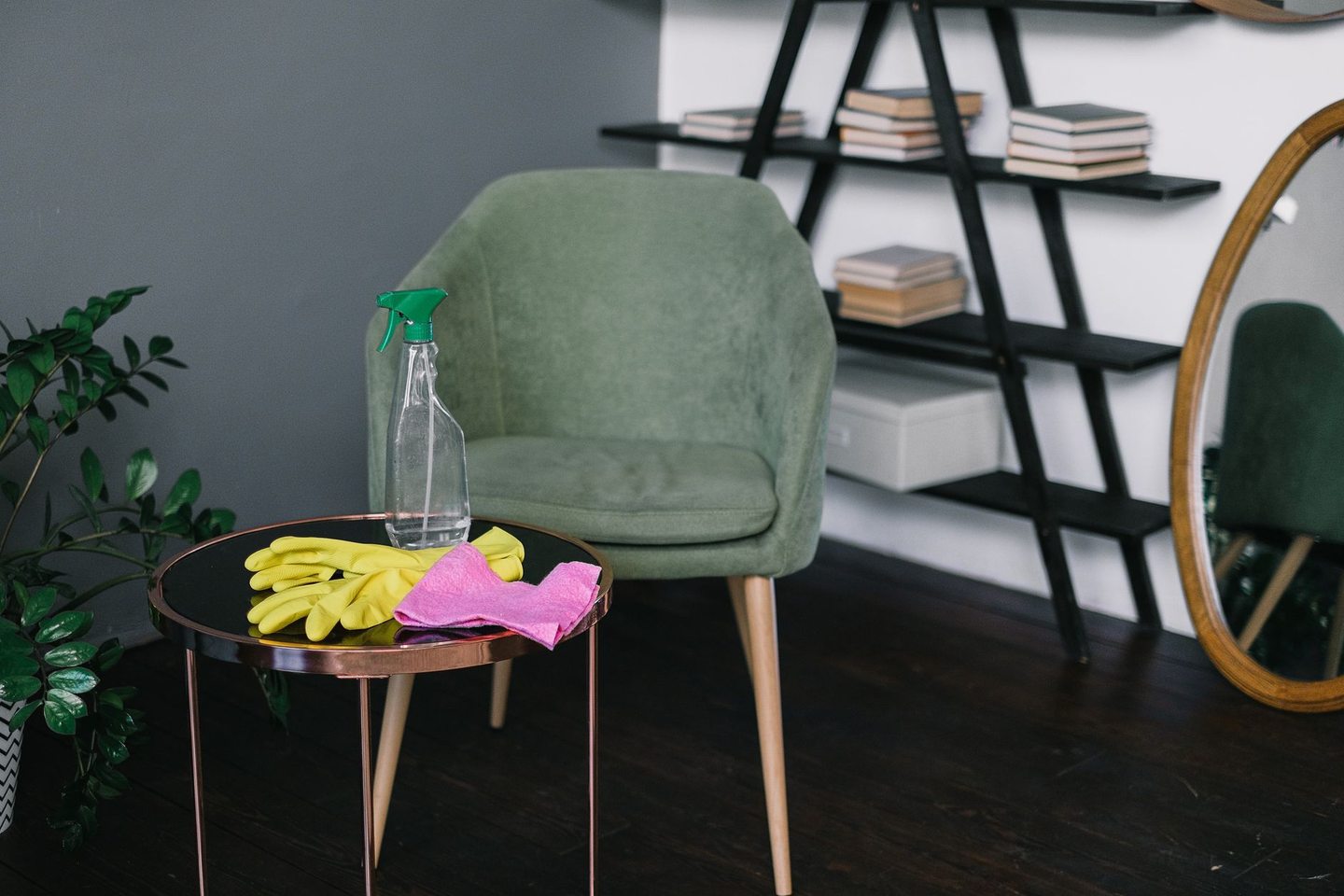
Return clutter, dust reachable high surfaces, then clean lower tables and shelves. Follow electronic and furniture care instructions. Switch lights and fans off and let equipment cool before cleaning.
Vacuum seating and floors with suitable attachments. Check between cushions for small objects first. Do not move heavy furniture alone or disturb connected appliances just to reach an area on a generic checklist. Wash covers and throws only if their care labels permit it.
Clean bedrooms and review seasonal clothes
Choose one wardrobe section rather than emptying every drawer at once. Keep clean, dry clothes in suitable storage and put everyday pieces within reach. Measure before adding bins or dividers.
Wash bedding and curtains according to their own labels and dry them thoroughly. Do not assume every fabric tolerates the same temperature or machine cycle. Keep the route to the bed and door clear while work continues.
Give bathrooms a compatible cleaning process
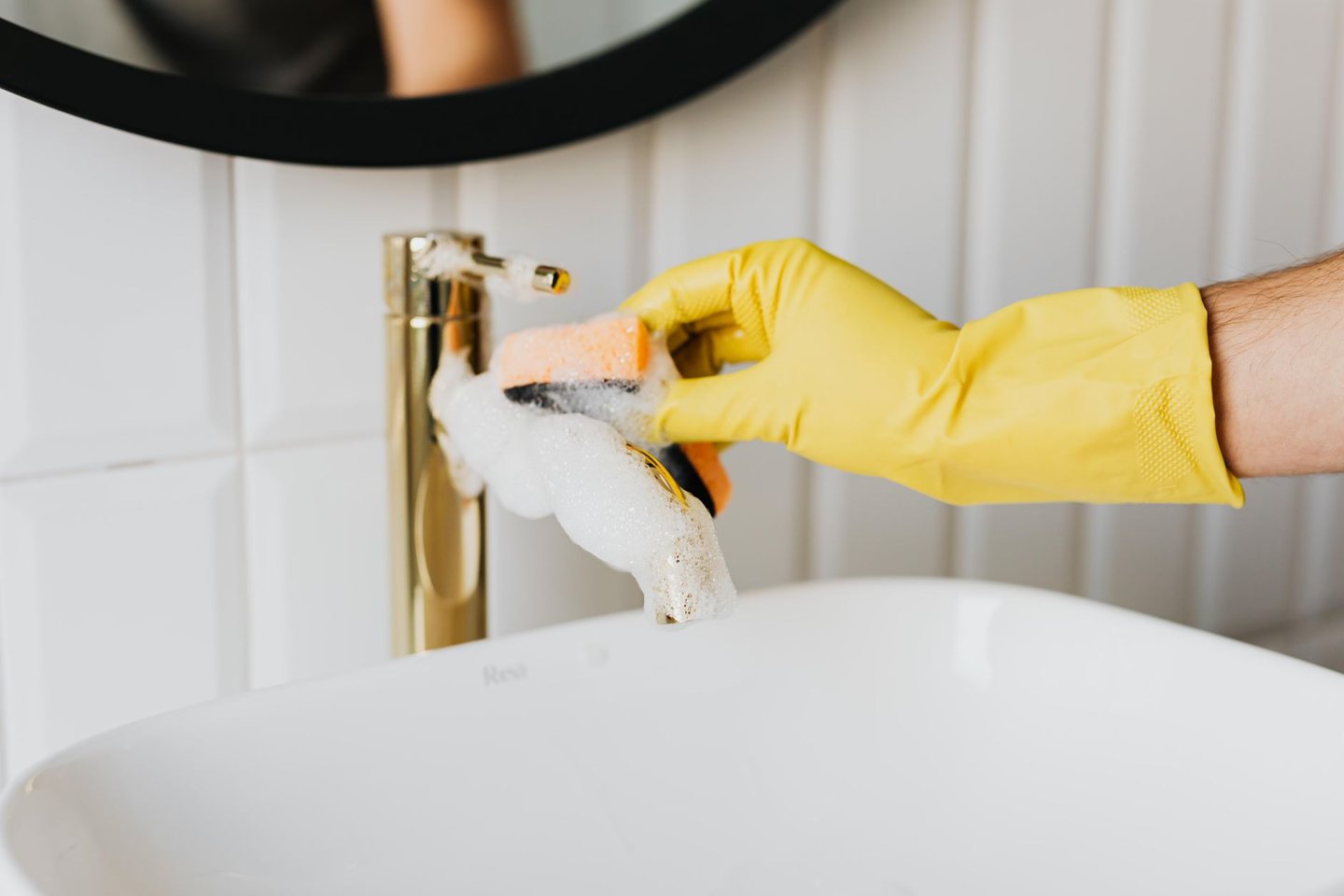
Clean sinks, fixtures, shower or tub surfaces, mirrors, and toilets using methods appropriate to each material. Keep toilet tools separate. Provide ventilation and follow protective-equipment directions. Persistent dampness or recurring mold needs attention to its cause.
If disinfecting is needed, clean first and follow the product’s wet contact time and any rinse instructions. Scents and candles are optional and do not prove cleanliness. Store medicines and cleaning products securely before returning the room to use.
Keep the plan small enough to maintain
Use a short timer if it helps focus, but allow time to store chemicals, dry wet floors, and put essential items back. Take breaks and spread jobs across days or weeks rather than requiring a full weekend overhaul.
The existing seasonal-storage searches below are optional categories, not tested products. Check dimensions and textile care, especially before compressing bedding in vacuum bags. Use existing supplies where they work. For safe cleaning-product use, see CDC’s home cleaning guidance.
Amazon category searches
Optional browsing links. Check the specific listing, dimensions, materials, instructions, and current terms before buying.