How to Create a Stylish Toy Storage Solution in Minutes
Shopping links: These links open Amazon search results. They are optional browsing suggestions, not verified product reviews or price/availability checks.
Start with a small toy-storage decision
The title’s minutes are not a guaranteed completion time. Sorting, checking equipment and installing furniture may take longer. Choose one toy category and one suitable existing storage location first. This guide does not test products or promise independent cleanup, fewer disagreements or a permanently tidy living room. Storage should fit the child’s age and abilities before it fits the decor.
1. Sort with an adult controlling hazards
Take out one category at a time rather than making a whole-room pile. Adults should separate broken pieces, batteries, magnets, sharp objects and recalled products before children help. Check toy labels and instructions. Do not pass an unsafe, incomplete or recalled item to another family as a donation. Agree on decisions about meaningful belongings with the child and other owners.
2. Give appropriate toys a clear home
A sound open bin may work for a small collection if it suits the child and contents. Check for sharp edges, loose parts, damaged handles and other condition problems. Small parts still need age-appropriate control and supervision. A low basket does not make its contents suitable for a younger child. Keep adult art tools and chemicals secured separately.

3. Avoid automatic trunk and lidded-bench recommendations
A vintage chest, storage ottoman or heavy-lidded basket is not automatically a suitable toy container. Check intended use, age guidance, instructions, condition and current recalls before choosing one. Do not assume a lid is safe because it hides clutter. Prefer a supported storage arrangement over an unverified secondhand piece selected only for its appearance.
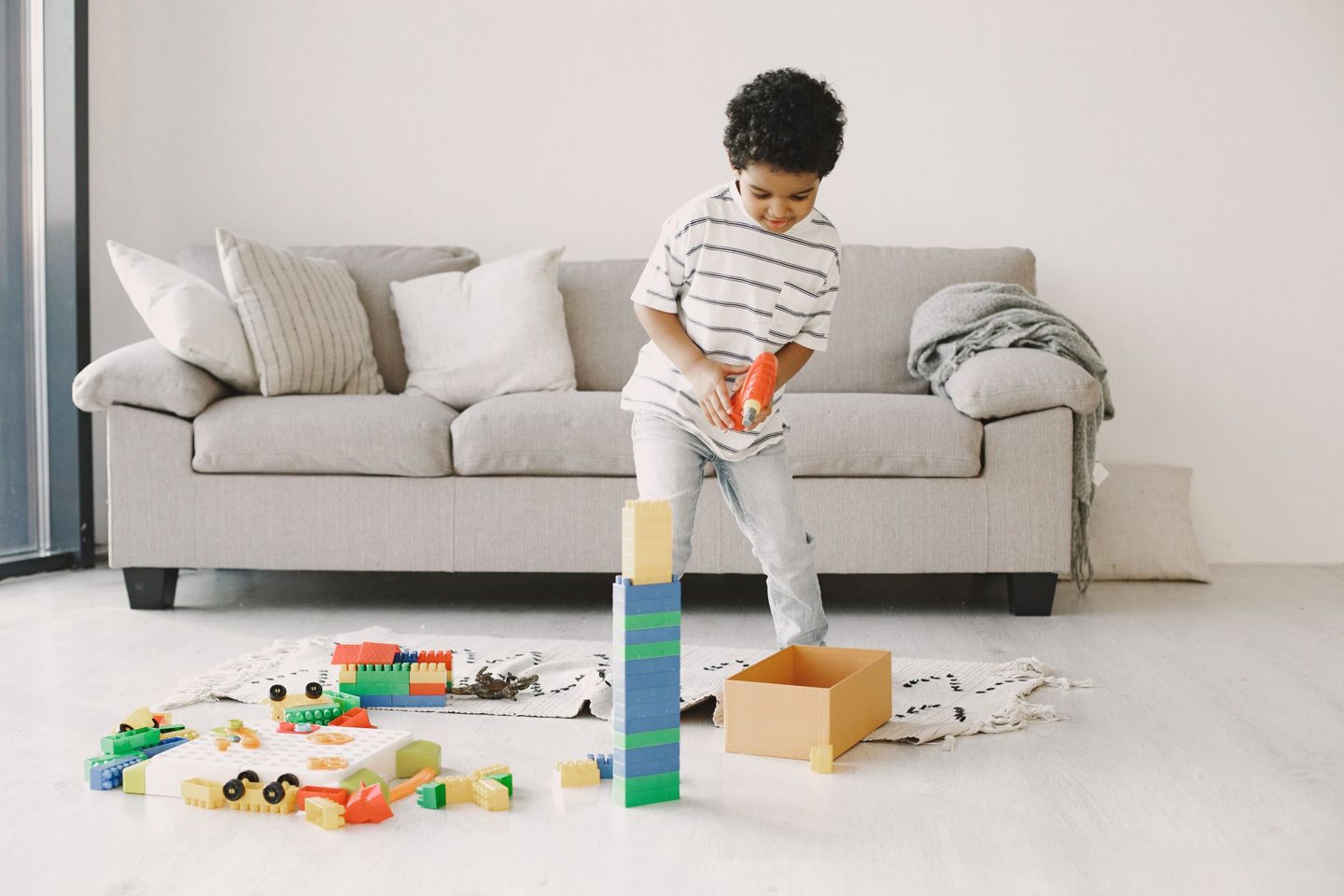
4. Secure furniture as instructed
Follow assembly, load and anchoring requirements for bookcases and cube units. CPSC warns that children can climb or pull furniture and cause tip-overs. Low shelves can still need anchoring. Use suitable fixings and resolve rental restrictions rather than omitting a restraint. Keep tempting objects from encouraging climbing and leave windows, cords and walking routes clear.
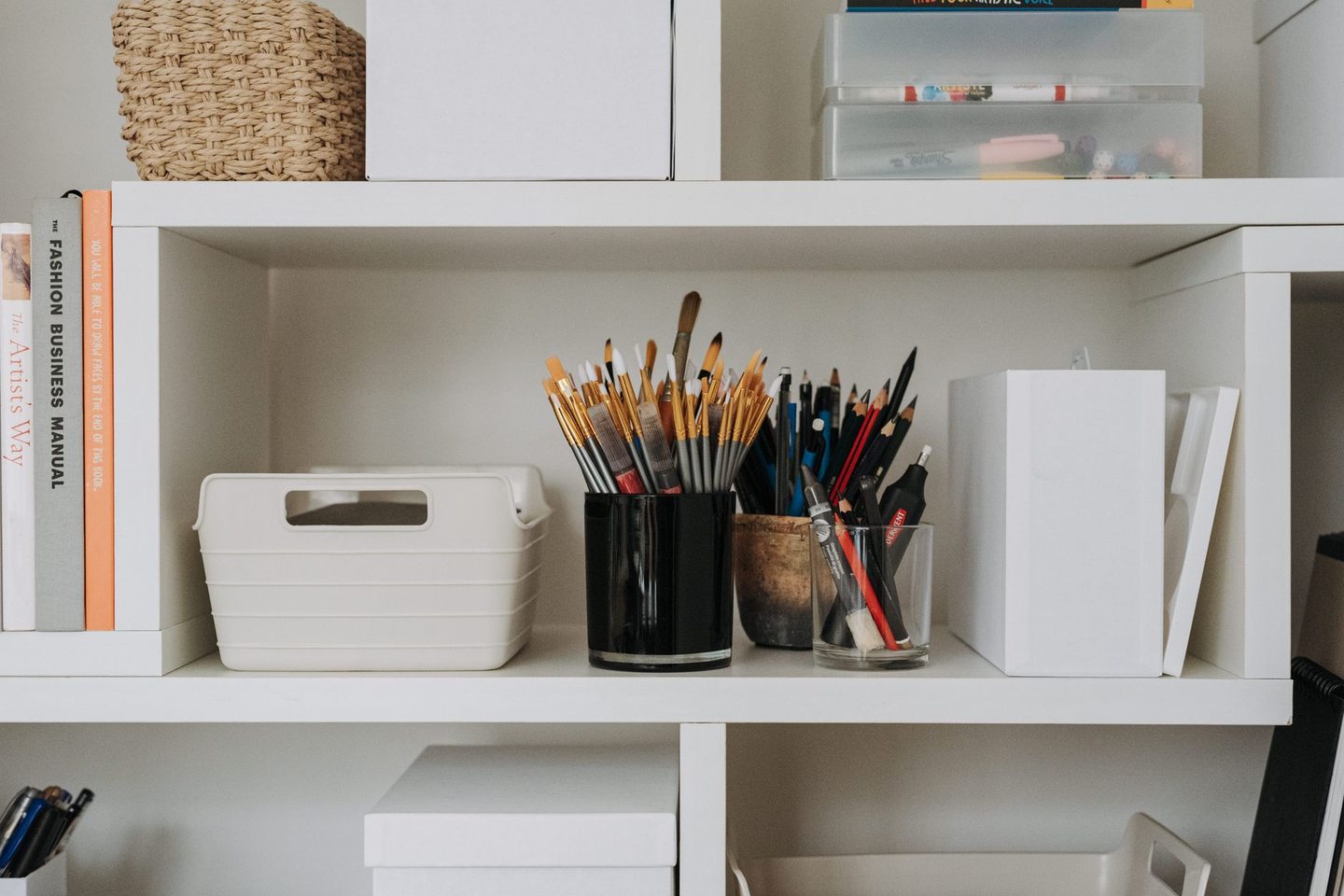
5. Keep adult decoration separate
Do not mix accessible toys with candles, breakable ornaments, loose magnets, small sculptures or unidentified plants merely to style the shelf. A decorative object is not automatically safe for children or pets. Check the actual object and household needs before deciding where it belongs. Do not put heavy items above a child’s play or sleep area without establishing a suitable installation.
6. Use simple categories and optional rotation
Words or pictures can identify where suitable toys belong. Keep favorites available and rotate overflow only when it helps the household; no fixed monthly timetable or developmental benefit is claimed. Include the child in choosing useful categories, without promising that involvement guarantees cleanup. Recheck the arrangement as reaching and climbing abilities change.
7. Buy only for a specific remaining gap
Try the existing arrangement before buying furniture or matching baskets. Retained category searches below include kitchen dividers and a turntable; these are not verified toy-storage products or recommendations for unrestricted child use. Original photos and related articles are illustrations and browsing links, not approved safety layouts. A suitable small system matters more than a styled display.


