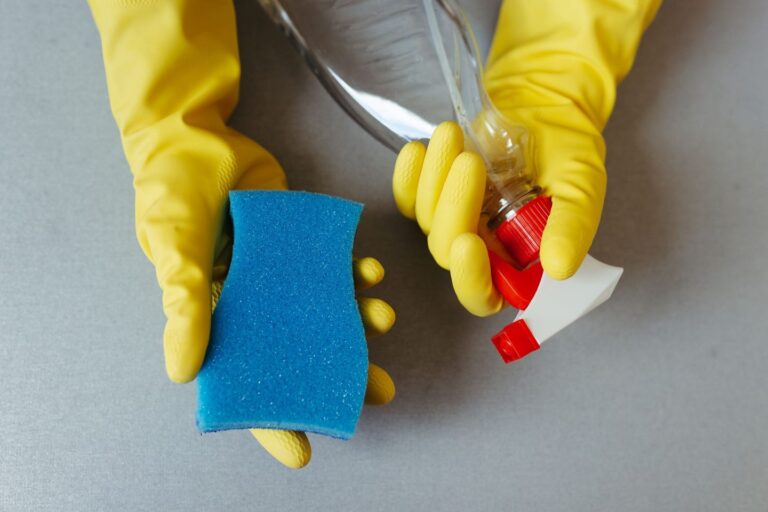
Tips for a Deep Clean Kitchen: Reduce Clutter and Grime
A kitchen deep clean works best when it follows a clear order: remove clutter, clean high surfaces and appliances, then finish with the sink and floor. Work in sections so food stays cold and the kitchen does not become unusable. This checklist is a practical sequence, not a claim that a spotless room guarantees better health or changes eating habits.
Disclosure: These links open Amazon search results. They are optional browsing suggestions, not verified product reviews or price/availability checks.
Prepare the space and supplies

Allow time for the jobs you choose, and postpone anything that needs specialist help. Gather washable cloths, a soft brush, gloves if the product label calls for them, a waste bag, and cleaners approved for your surfaces. Open windows or use ventilation as directed.
Read appliance manuals and product labels before starting. Never mix cleaning products. In particular, keep bleach separate from vinegar, ammonia, and other cleaners. A homemade mixture is not automatically safer or suitable for food-contact surfaces.
Declutter before scrubbing
Remove mail, toys, spare bags, and other items that do not belong in the kitchen. Sort tools and containers into useful, donate, recycle, and discard groups. Check storage condition and dates on food rather than assuming every printed date means the same thing.
Leave usable occasional equipment in a sensible home instead of discarding it just because it was not used recently. Clear enough counter space to clean, but do not empty every cupboard at once. One shelf or drawer at a time keeps the job manageable.
Turn big jobs into checkable steps
Write down the actual tasks for your kitchen. For a refrigerator, that might mean moving food to a cold place, washing a removable drawer, wiping the shelf, drying it, and replacing food. For a cabinet, separate handles, doors, shelf interiors, and the items being returned.
Mark jobs that can wait, such as reorganizing a rarely used serving cupboard. If your time is short, prioritize spills, food-preparation surfaces, the sink, and food storage. Decorative details can come later.
Clean appliances according to their manuals
Let the stovetop and oven cool before working. Remove crumbs and loose debris, then use the cleaning method approved for the appliance. Do not spray controls, electrical connections, heating elements, or ventilation slots. Do not run an oven self-cleaning cycle without reading its instructions and ventilation requirements.
For the microwave, remove and wash the turntable if the manual allows it. Wipe the interior with an appropriate damp cloth. Use a steam-softening method only if the manual permits it, and be careful with hot liquid and steam. There is no need to combine vinegar and baking soda as a universal appliance cleaner.
Clean the refrigerator in short sections while keeping perishables cold. Allow cold glass parts to reach a safe washing temperature according to the manual. Wipe seals gently and leave air vents unobstructed when returning containers.
Wash cabinet fronts and organize interiors

Start with a mild method suitable for the finish, using a well-wrung cloth rather than soaking joints and edges. Test an inconspicuous area first. Pay attention to handles and greasy areas, then dry the surface.
Inside the cabinet, group like items and return only what belongs there. Give regularly used tools the easiest positions. Measure before adding bins or racks, and check that cabinet doors still close. Labels should describe the category clearly enough for everyone who uses the kitchen.
Clean counters and the sink
Remove loose debris, then wash the surface with a compatible cleaner. Natural stone, wood, laminate, and engineered materials have different care requirements. Do not assume an acidic or abrasive product is suitable for all of them.
Clean first. If sanitizing or disinfecting is needed, use a product labeled for that surface and purpose, follow its contact time, and complete any required food-contact rinse. A quick wipe with a homemade solution is not a verified substitute.
Clean the sink and faucet with the material’s approved method. Remove trapped debris where it is safe to do so, and keep a separate cloth for messier jobs. Follow the appliance instructions for a disposal rather than putting improvised objects or chemicals into it.
Work down to the floor
Dust accessible light fixtures only when they are switched off and cool. Wipe switch plates without letting liquid enter electrical parts. Clean baseboards and reachable edges before the floor so falling debris is collected last.
Sweep or vacuum using a setting suitable for the flooring, then mop according to the floor manufacturer’s guidance. Avoid excess water on materials that can swell or lift. Use a compatible grout cleaner rather than assuming every tile and grout combination tolerates the same abrasive paste. Keep people off the floor until it is dry.
Keep a maintenance routine
Clean food spills promptly, wash dishes regularly, and leave preparation space clear. At a weekly reset, check the fridge, wipe handles, and clean the floor. Add deeper appliance and cabinet jobs when their condition and care instructions call for them.
Optional cloths, brushes, and cleaner concentrates appear in the searches below. Check surface compatibility, dilution instructions, brush stiffness, and washing requirements before buying. No product category guarantees a chemical-free, streak-free, or effortless result.
Cleaning guidance
CDC: When and How to Clean and Disinfect Your Home explains the difference between cleaning and disinfecting and why product directions matter.
Amazon category searches
Optional browsing links. Check the specific listing, dimensions, materials, instructions, and current terms before buying.