Top Tips for Deep Cleaning Your Bathroom Effectively
Deep cleaning a bathroom is easier to manage when you separate ordinary dirt, mineral or soap buildup, and problems that need repair. Clear a small work area, choose products suitable for each material, and work from reachable high surfaces down to the floor. This is a cleaning sequence, not a promise of health benefits or a personally tested transformation.
Disclosure: These links open Amazon search results. They are optional browsing suggestions, not verified product reviews or price/availability checks.
Gather supplies and read labels

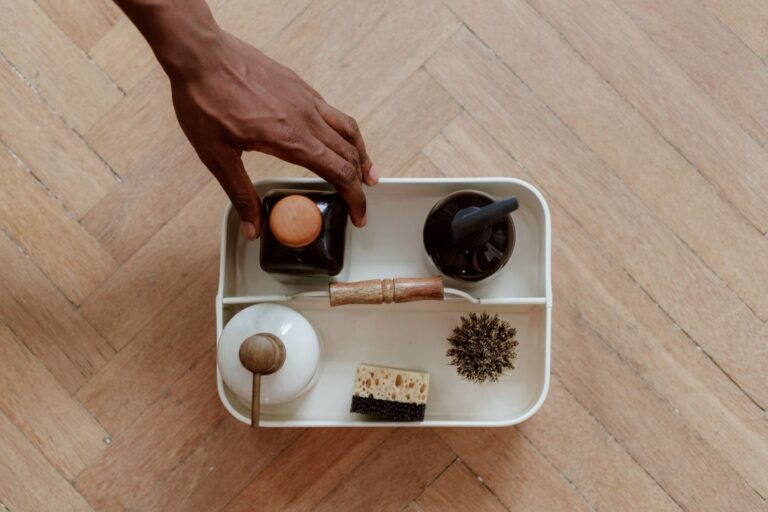
Choose cloths, a toilet brush, a soft detail brush, and cleaners approved for the relevant surfaces. Use gloves and ventilation as the labels require. Keep toilet-cleaning tools separate from tools used on sinks, counters, or food-contact areas.
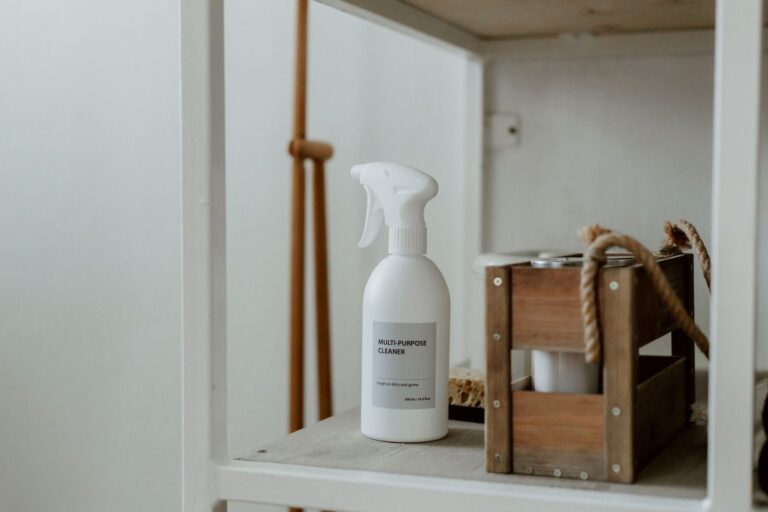
Never mix products. Bleach must not be mixed with vinegar, ammonia, toilet cleaner, or other cleaners. Do not layer different chemicals on the same surface unless the directions explicitly allow the process. Keep children and pets away from the work area and store supplies securely afterward.
Clear and assess the room
Remove toiletries and textiles from the area being cleaned. Check labels, package condition, and whether products are still suitable for use. Dispose of medicines and chemicals through the appropriate local route, rather than pouring a mixed collection into the drain.
Donate unopened toiletries only if the receiving organization accepts them. Do not give away questionable or contaminated products. Note leaks, failing sealant, loose fittings, or recurring mold so they can be addressed rather than hidden by the cleaning.
Work down from accessible high surfaces
Dust reachable shelves and cabinet tops before lower surfaces. Switch lights off and let them cool before wiping. Do not spray into electrical fittings. Use a stable step stool for suitable reachable tasks, and leave awkward high work for someone equipped to do it safely.
Clean mirrors using a compatible method and avoid saturating edges or frames. Follow the ventilation fan’s instructions. Isolate power as required before removing a cover, and do not reach into a running fan or wash electrical components.
Clean the shower and bath for their materials
Read the care instructions for the tub, screen, tiles, grout, and fixtures. Acidic products may damage some stone and finishes, while abrasive tools can scratch coatings. Test a small inconspicuous area if the instructions recommend it.
Apply a compatible cleaner, allow the label’s dwell time, then clean and rinse as directed. Do not present vinegar mixed with baking soda as a universal cleaner or mold treatment. Follow showerhead instructions before using any descaling soak; not every finish tolerates acid.
A squeegee after use may help remove surface water from a suitable screen. Ventilation and fixing leaks matter more than adding a fragrance. Recurring or extensive mold needs an assessment of the moisture source, not repeated cosmetic wiping.
Use a separate toilet-cleaning process

Apply a toilet-bowl cleaner only according to its directions and do not combine it with another product already in the bowl. Clean the exterior, seat, handle, and base with an appropriate method, keeping tools separate from the rest of the room.
Use the required contact time and rinse or flush as directed. Bowl clips or fragrance products are optional and do not replace cleaning. Follow the toilet manufacturer’s guidance because some additives can affect components.
Clean touch points and disinfect when needed
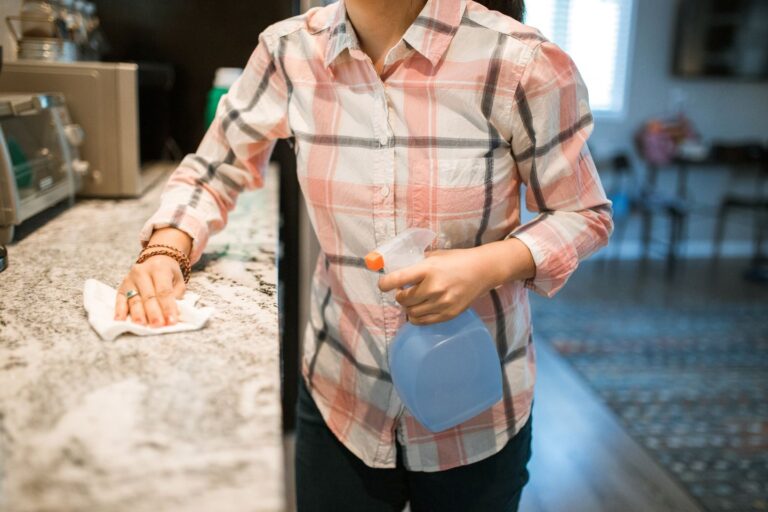
Wash sinks, faucets, handles, and other touch points with compatible products. Do not let liquid run into switches or outlets. Cleaning removes dirt; disinfection is a separate process when called for by the situation.
If using a disinfectant, clean first and follow its surface restrictions, wet contact time, and any rinse requirements. A fast pass with a wipe is not a guarantee of disinfection. Keep the product container and directions available throughout the job.
Finish the floor and return dry items
Collect hair and dry debris first, then clean the floor with an approved method. Avoid steam or excess water unless the flooring permits it. Give reachable corners and compatible grout care attention without scraping delicate surfaces.
Let floors and shelves dry before replacing mats and toiletries. Group everyday supplies in a small number of easy-to-clean containers. Keep hazardous products inaccessible to children. A clear surface does not require replacing all existing storage.
Maintain the bathroom without masking problems
Wipe spills, dry suitable surfaces, and keep ventilation working. Investigate persistent odors and dampness rather than covering them with candles or essential oils. Fragrances can bother some people and may be unsuitable around certain pets.
The product searches below are category links, not tested cleaning results. Check compatibility before buying. See CDC’s cleaning and disinfection guidance for product-use basics and CDC’s mold cleanup guidance for precautions and people who should not clean mold.
Amazon category searches
Optional browsing links. Check the specific listing, dimensions, materials, instructions, and current terms before buying.