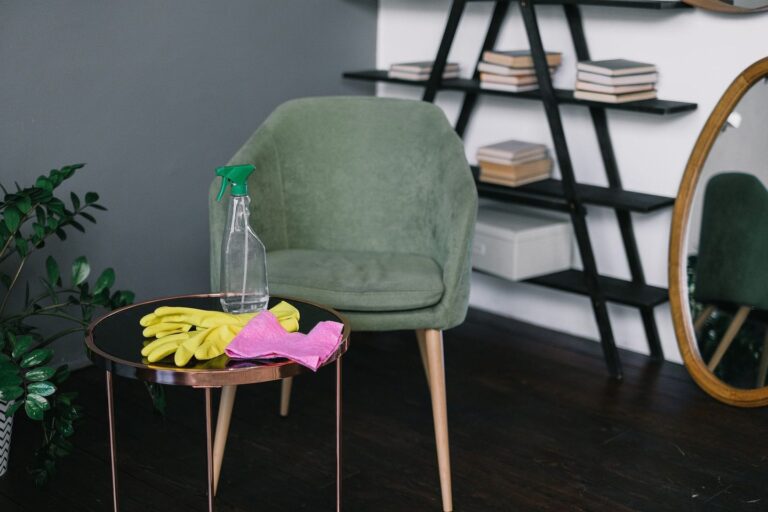
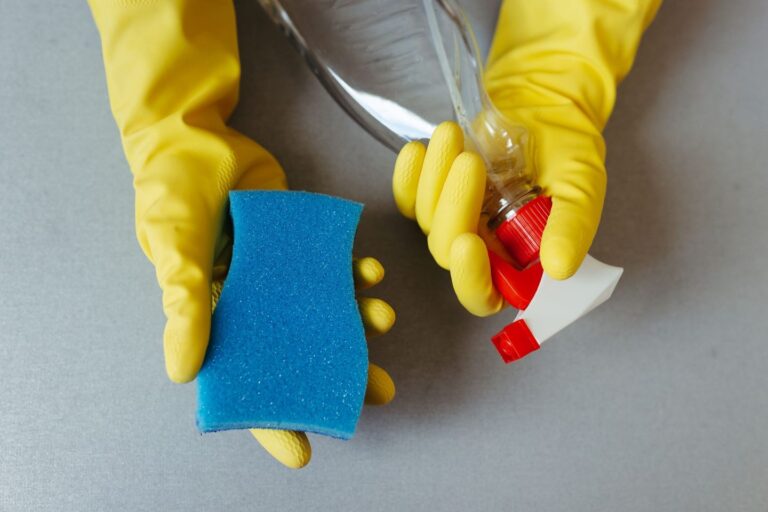
Whole House Cleaning Schedule to Keep You Organized
Shopping links: These links open Amazon search results. They are optional browsing suggestions, not verified product reviews or price/availability checks.
Build a cleaning schedule around your home
A whole-house schedule is a reminder system, not a promise that every room will stay spotless. Choose tasks according to actual use, visible dirt, household needs and the time and help available. This sample separates small checks from larger jobs. Adjust it rather than treating every daily, weekly or monthly suggestion as a hygiene rule.
Start with a walk-through
List a few problems that interfere with use: crumbs where you prepare food, a slippery spill, an overflowing hamper or a bathroom surface that needs attention. Deal with immediate hazards first. Note what each surface is made of and find its care instructions before choosing a cleaner. Do not include repairs, pest problems or extensive damp damage as ordinary cleaning tasks; those may need a different assessment.
Use a small daily or as-needed list
Consider checking food-preparation surfaces after use, handling spills promptly, clearing walking routes and putting used laundry in its place. A bed-making reminder is optional, not a health requirement. Choose tasks small enough to finish and put the equipment away. Some jobs will need doing more often, others less often. Food-contact surfaces need the cleaning and, where applicable, sanitizing steps appropriate to the food handled, rather than a blanket end-of-day wipe.

Spread larger jobs across the week
A possible starting pattern is floors on one day, bathroom cleaning on another and bedding when it is due for your household and its care labels. Clean high-touch surfaces regularly and other surfaces when visibly dirty or as needed, consistent with CDC guidance. This is a planning example, not a universal frequency. Illness, extra visitors, allergies or specific care advice may call for changes. Avoid building a backlog of tasks that cannot fit your available time.
Keep periodic checks separate from risky access
Review the refrigerator, storage and easy-to-reach surfaces when they need attention. Follow the appliance’s own cleaning instructions. Do not move a heavy appliance, reach into mechanisms or climb furniture to meet a monthly checkbox. Ceiling fans, high fixtures, windows and electrical equipment require safe access and their own instructions; get suitable help when needed. A calendar date does not make an unsafe task necessary today.
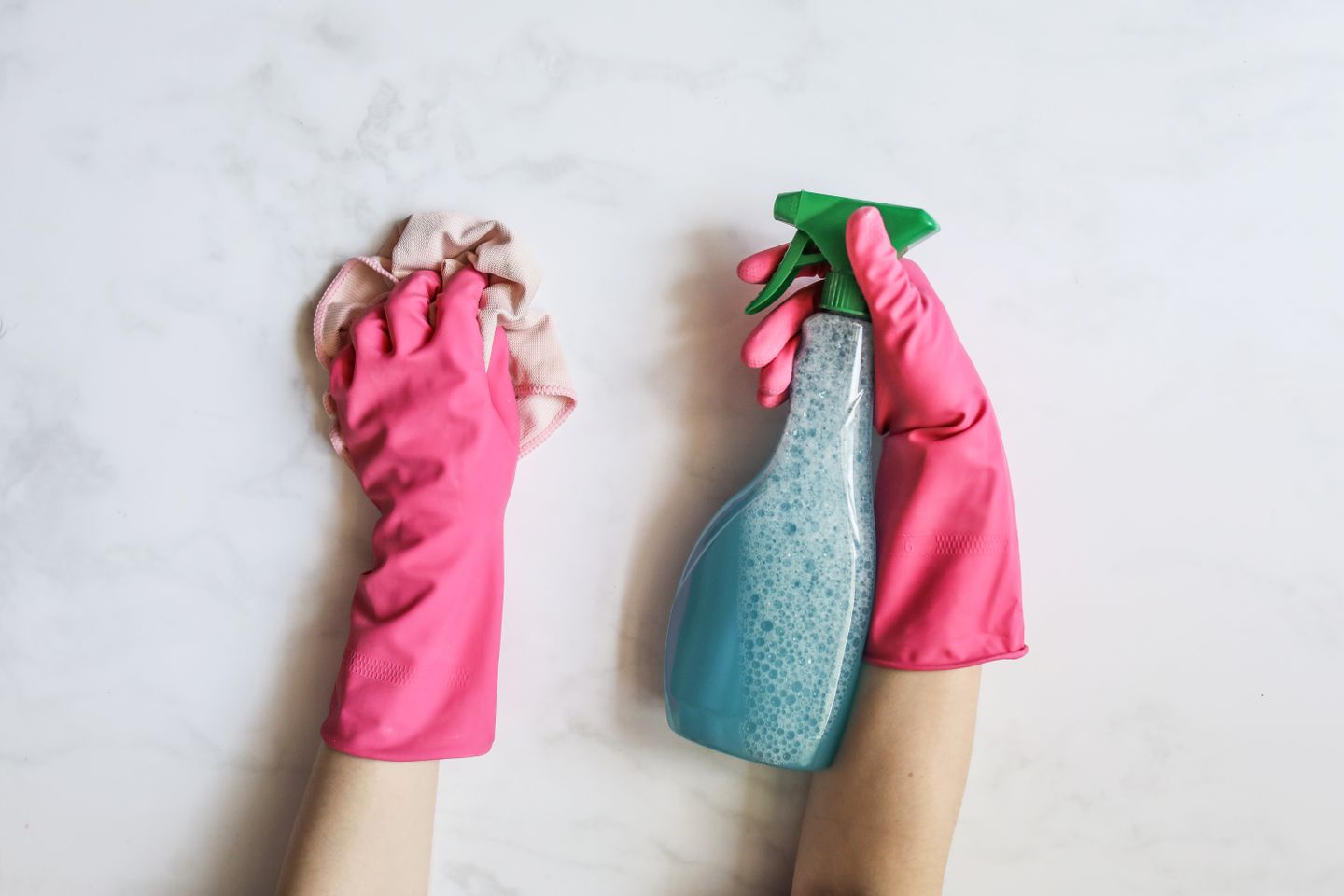
Choose the method before the product
CDC distinguishes cleaning from sanitizing and disinfecting. Routine disinfection is not automatically needed everywhere; illness or heightened household risk may change the plan. Use a product compatible with the actual surface and follow its label. Where disinfection is needed, clean first and keep the surface wet for the stated contact time. Follow ventilation, protective-equipment, dilution and any rinse directions. Do not mix products or add a homemade mixture to another cleaner.
Assign tasks by ability and supervision
Agree on responsibilities with the people who share the home. Children can help only with tasks and materials appropriate to their abilities, with suitable supervision; an age category alone is not a safety check. Adults should control chemicals, sharp objects, machinery and high access. Keep cleaners in their original labeled packaging, locked away and out of children’s sight and reach, with pets kept away from use and storage areas. Put supplies away immediately after a session.

Make the schedule easy to pause
Use a paper list or calendar you already have. Record the task, who will do it and when you will review the plan. An optional timer can help you stop and tidy up, but never shorten product contact time or a safe appliance procedure to beat it. If a task is missed, reassess its priority instead of treating the whole schedule as a failure. Keep unfinished work from blocking access.
Review supplies without a performance promise
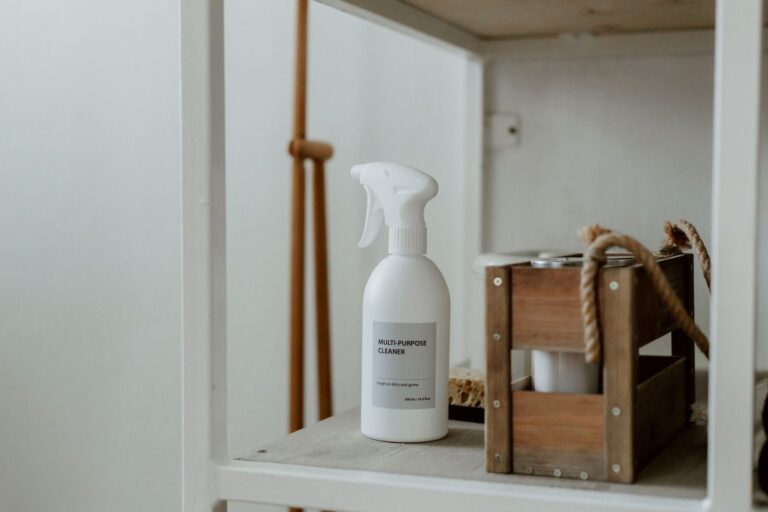
After trying the plan, remove unnecessary tasks and identify any real equipment gap. The cloth, brush and concentrate links are optional Amazon searches, not tests or proof of streak-free cleaning, faster work or months of use. Check material compatibility, dilution, storage and cleaning instructions before buying. A workable schedule can start with a short checklist and suitable supplies you already own.