Join the 30 Day Declutter Challenge for a Fresh Start
A 30-day declutter challenge can provide structure for a fresh start at any time of year. It is not a promise of a clean home in a month or a requirement to discard something every day. Choose a useful goal, keep tasks small, and build in breaks and follow-through. You can join privately without buying supplies or posting progress.
Disclosure: These links open Amazon search results. They are optional browsing suggestions, not verified product reviews or price/availability checks.
Choose a goal and a realistic pace

Decide what you want to make easier, such as preparing meals, finding clothing, or handling papers. Choose one or two areas rather than committing to every room.
Set a small session length that fits your capacity, including time to put things back. Use a timer as a reminder to pause and pack up, not as pressure to make an irreversible decision. Skip or repeat days when needed.
Days 1-7: start with easy-to-finish zones
Pick a drawer, a shelf, or part of a surface each day. Return obvious misplaced items, group similar contents, and decide what belongs in that location.
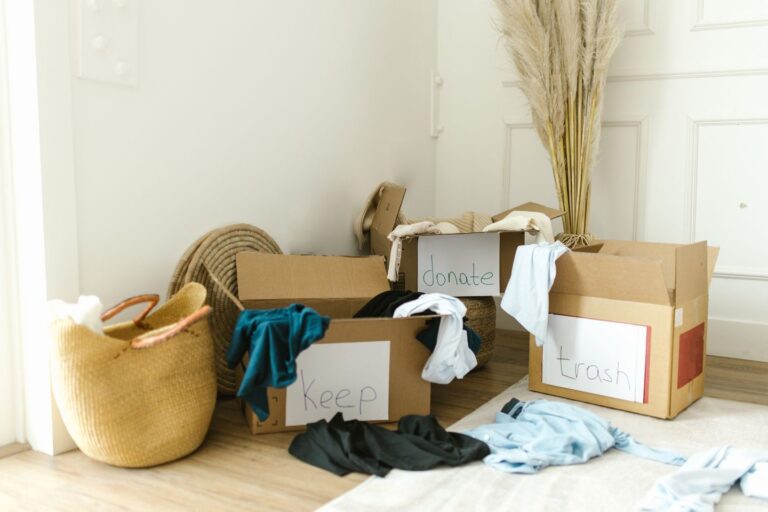
Use simple groups for keep here, relocate, pass on, and appropriate disposal. Keep an undecided group if necessary with a clear review point. Do not make the first week depend on the hardest sentimental or financial decisions.
Days 8-14: sort categories with exceptions
Review a small clothing, book, tool, or household-supply category. Check condition and purpose, and consult the owner before changing shared belongings.
A year without use is not a disposal instruction. Emergency supplies, seasonal equipment, required records, and meaningful objects may still deserve space. Think about realistic replacement cost and access instead of assuming everything can easily be bought again.
Days 15-21: review paper and digital material

Separate action papers from records and note deadlines in a reliable system. Check original-document and retention requirements before shredding. Verify that any scans are readable and backed up appropriately.
For digital files, begin with one folder and understand deletion across synced devices. Keep important authentication and account dependencies in mind before uninstalling apps or removing accounts. A challenge does not justify losing the only copy of useful information.
Days 22-27: arrange retained belongings
Place daily-use items close to their task and less-used items in suitable secondary storage. Reuse containers where practical and buy only for a defined gap after measuring.
Make access easy for the actual users. Keep heavy items low, routes clear, and storage within its intended use and load limits. Add labels where the contents are not obvious rather than creating an elaborate catalog nobody maintains.
Days 28-30: complete and review

Finish outgoing routes by confirming donation rules, arranging transport, and separating special waste for appropriate local handling. Give sale items a realistic plan. Keep bags out of walking routes while awaiting the next step.
Use the selected spaces normally and ask whether finding and returning things is easier. Note what remains unfinished without turning it into a failure. Choose one small maintenance habit and a reasonable next review point.
Keep ownership and support central
Let household members participate at a level that suits their age, ability, and wishes. Do not treat a challenge as permission to clear their belongings. Sentimental items can be kept or reviewed later, and an optional photograph is not always a substitute for the original.
If you want accountability, choose a trusted person and agree what help you want. Progress images can remain private. Seek appropriate practical or professional support when the task is persistently distressing or unmanageable; another storage product is not always the answer.
Amazon category searches
Optional browsing links. Check the specific listing, dimensions, materials, instructions, and current terms before buying.