15 Toy Organization Playroom Ideas for Kids
15 Toy Organization Playroom Ideas for Kids
SECTION 1 – INTRO
If your kid’s playroom looks like a tornado hit it, you’re not alone. Toys seem to multiply faster than socks in the laundry, and next thing you know, you’re stepping on Legos at midnight. The good news? There’s hope! Toy organization in a playroom doesn’t have to be a losing battle. Whether you’re dealing with mountains of stuffed animals or a never-ending stream of art supplies, this guide will help you create a playroom that’s functional, tidy, and still fun for your little ones.
Why does this matter? Because a cluttered playroom can lead to overwhelmed kids and stressed-out parents. A well-organized space can actually encourage creativity and make cleanup simpler (we’re talking fewer tears and tantrums). So grab a coffee and let’s tackle those toy piles together! By the end, you’ll have 15 practical and doable ideas to tame the chaos. Let’s get started.
—
SECTION 2 – WHY THIS MATTERS
Let me paint you a picture. Last Saturday, I walked into my kid’s playroom, and I swear I saw a stuffed dinosaur wearing Barbie’s dress fighting over a broken Hot Wheels car. The playroom had become a nightmare zone, one I avoided as much as possible. But here’s the thing: a chaotic playroom doesn’t just stress us parents out, it can also overwhelm our kids. Studies show that too many toys can actually reduce a child’s ability to focus during play.
I decided enough was enough. After spending a weekend on toy organization playroom ideas, the transformation was amazing. My kids could find their favorite toys, cleanup took minutes instead of an hour, and honestly? I felt like I got my sanity back. So trust me, making time to organize your child’s playroom isn’t just about aesthetics,it’s about creating a space where they can truly enjoy themselves and you can stop feeling like the cleanup crew every day.
—
SECTION 3 – MAIN TIPS/STEPS
1. Use Bins for Everything
Bins are a parent’s best friend when it comes to toy organization in a playroom. Pick clear bins for smaller items like Legos, action figures, and doll accessories. Label them (bonus points for using pictures and words) to make it easy for your kids to know where things go. For larger toys, opt for fabric bins or colorful baskets to keep things tidy. Pro tip: Rotate toys every few months to keep things fresh,this prevents clutter and keeps your kids interested in their “new” toys.
2. Label Everything (Seriously)
Labels aren’t just for your pantry. When organizing toys, labels can be a lifesaver. Use picture labels for younger kids who can’t read yet, and written labels for older kids. For example, label a bin “Cars” and include a cute cartoon car image on the side. This makes it super user-friendly for your kids to clean up independently. Trust me, labeling is magic.
3. Add Kid-Sized Furniture
If you want your kids to actually care about their playroom, make it kid-friendly. Add low shelves that they can reach themselves. Use child-sized tables and chairs for art projects or puzzles. When kids can easily access and return their toys, they’re more likely to participate in cleanup. Plus, it makes the playroom their own special space.
4. Dedicate Zones for Activities
Divide the playroom into zones based on activity types. For example, one corner could be for arts and crafts, another for reading, and another for building block creations. Use rugs or furniture to define each space. This helps kids focus their energy on one type of play at a time, instead of scattering toys everywhere. It also makes cleanup easier because everything has a clear home.
5. Create a Stuffed Animal Hotel
If your house is drowning in stuffed animals, try a “stuffed animal hotel.” Hang an over-the-door shoe organizer or use hammocks to store them on the walls. Alternatively, use a large bean bag cover and stuff it with plush toys,it doubles as storage and seating. This saves floor space and keeps those adorable creatures off the ground.
6. Add a Reading Nook
A cozy reading corner can make your playroom feel extra special. Add a small bookshelf, comfy chairs, pillows, or bean bags. Keep a variety of books easily accessible for your kids, and encourage quiet time here. A reading nook doesn’t take up much room but instantly adds charm and extra functionality to the space.
7. Use Art Caddies for Supplies
Arts and crafts supplies often create the messiest chaos. Get a rolling cart or caddies with compartments to store markers, crayons, glue sticks, and scissors. Use mason jars or plastic cups within the caddy to keep items sorted. When it’s art time, kids can simply roll the cart to their table, and everything they need is right there. It’s a win-win.
8. Invest in Storage Furniture
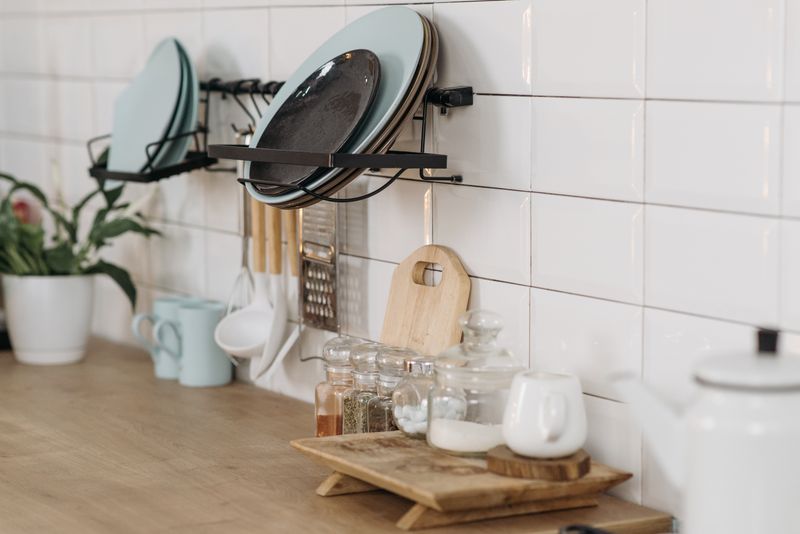
If you really want to level up, get furniture that doubles as storage. Think ottomans with hidden compartments, benches with pull-out bins, or coffee tables with storage underneath. These pieces are lifesavers in small playrooms because they maximize functionality while keeping the space looking clean and polished.
9. Puzzle and Board Game Storage
Puzzles and board games come with tons of tiny pieces that are easy to lose. Use zipper pouches or file organizers to store the pieces, and label them for easy access. If you have lots of games, stack them horizontally on a shelf to save space. At last, no more missing puzzle pieces!
10. DIY Pegboards for Tools and Toys
Install a pegboard on the wall for hanging tools, smaller bins, and even toys. Pegboards are customizable and can be adjusted as your kids grow and their interests change. This works great for older kids who might have hobbies like crafting or building.
11. Use Under-Bed Storage
If your kid’s playroom is shared with a bedroom, under-bed storage is a secret weapon. Use flat rolling bins to store seasonal toys or bigger items like train sets. It keeps everything out of sight while still being easy to access when needed.
12. Color-Code to Help Kids
Color-coding is a life hack for busy families. Assign specific colors to toy bins based on categories. For example, blocks might go in blue bins, dolls in pink, and cars in green. This visual system helps kids quickly find what they’re looking for and know where to put things back.
13. Declutter with “Keep,” “Donate,” and “Recycle” Piles
Once every season, grab three big boxes and label them as “Keep,” “Donate,” and “Recycle.” Go through the toys together with your kids and decide what they still play with and what can go. It’s a great way to teach empathy by donating to kids in need, and it helps keep the playroom manageable.
14. Place Big Toys Strategically
Large toys like dollhouses or play kitchens can take up a lot of space if you’re not strategic. Place them along walls or in corners to leave the middle of the room open for free play. If possible, get versions with built-in storage to hold food, dishes, or accessories.
15. Get the Kids Involved
Finally, make organization fun for your kids! Turn cleanup into a game, make them “in charge” of certain zones, or use a reward chart to celebrate their efforts. When kids feel they’re part of the process, they’re more likely to keep the playroom tidy.
—
SECTION 4 – PRO TIPS OR COMMON MISTAKES
- Pro Tip #1: Rotate toys regularly. Kids get bored when they see the same toys every day. Keep a portion of their toys tucked away and rotate them every month or so. This trick keeps the playroom fresh and exciting while reducing clutter.
- Pro Tip #2: Avoid overcomplicating storage. If bins and storage systems are too complicated, kids won’t use them. Stick to simple categories and storage solutions that are easy for little hands to handle.
- Common Mistake: Not involving kids in the process. If you do all the organizing yourself, your kids might not take ownership of the playroom. Include them in the process to teach responsibility and make them feel included.
- Common Mistake: Keeping every single toy. It’s tempting to hold onto everything “just in case,” but toys your kids have outgrown can clutter the space. Donate what’s no longer used, and don’t feel guilty about letting go!
—
SECTION 5 – QUICK SUMMARY / TL;DR
- Use bins for everything,clear ones for small items, larger ones for big toys.
- Label bins with pictures and words to make cleanup a breeze.
- Create themed zones like reading nooks, art corners, and play kitchens.
- Invest in multifunctional storage furniture for small spaces.
- Rotate toys regularly to keep things fresh and manageable.
- Get kids involved in the organizing process for better results.
- Avoid common mistakes like overcomplicating systems or keeping every toy.
Having a well-organized playroom isn’t a pipe dream. With these 15 toy organization playroom ideas, you can finally take control of the chaos in a fun and practical way. Ready to transform your child’s space? Let’s make it happen!
—
Products That Actually Help
A few things that make a real difference here:
- Toy Storage Bins – Labeled bins make cleanup something kids can actually do themselves.
- Bookshelf Organizer – A low bookshelf keeps favorite books visible instead of buried in a box.
- Command Center Wall Organizer – A wall command center stops permission slips from vanishing into the void.
Note: links above go to Amazon search results for these products.