How to Organize Kids Homework Areas Effectively
How to Organize Kids Homework Areas Effectively
INTRO
Picture this: It’s 6 PM, and your child has three assignments due tomorrow. The kitchen table is scattered with crayons, toys, and half-eaten snacks. Sound familiar? If you’ve ever experienced this chaotic scene, you know the importance of a well-thought-out homework station setup. But here’s the thing,homework isn’t the enemy. The real challenge lies in creating an environment that sets your kids up for success.
A homework station isn’t just “nice to have”; it’s a big win for your child’s focus, productivity, and overall attitude toward learning. Kids thrive in organized spaces where they feel comfortable and confident. And let’s be honest, when homework time runs smoothly, it’s a win for the whole family. So, how do you set up the perfect space that balances both structure and creativity? Let’s dive into these practical tips,and maybe even tackle those homework battles head-on.
—
WHY THIS MATTERS
When I was a kid, I remember slumping over my homework at the dining room table, surrounded by clutter. Finding a sharpened pencil felt like winning a treasure hunt, and concentrating in the middle of that chaos? Forget it. Fast forward to today, and I’ve learned a thing or two about creating effective homework spaces.
Research shows that the environment plays a massive role in how well kids learn. According to a study by the National Center for Education Statistics, students with designated study areas consistently reported better focus and higher academic performance. It’s not just about convenience,it’s about setting the tone for learning. That one cluttered corner you’ve been ignoring? It has the potential to become a powerhouse for productivity. So grab some sticky notes and bins, because it’s time to turn a chaotic space into a homework haven.
—
MAIN TIPS/STEPS
Create a Designated Homework Station
The foundation of a successful homework station setup is having a designated area. This could be a desk tucked away in a quiet room, or even a corner in the living room with a small table and chair. The key here is consistency. When kids know where they’re supposed to go for homework, it helps their brains shift gears from playtime to focus mode.
For example, I set up a homework corner in my son’s room with a small desk and a comfy chair. At first, he treated it like any other piece of furniture,nothing special. But after a few weeks, he started gravitating toward his desk whenever it was time to get down to business. That sense of ownership over the space made all the difference.
—
Organize Supplies
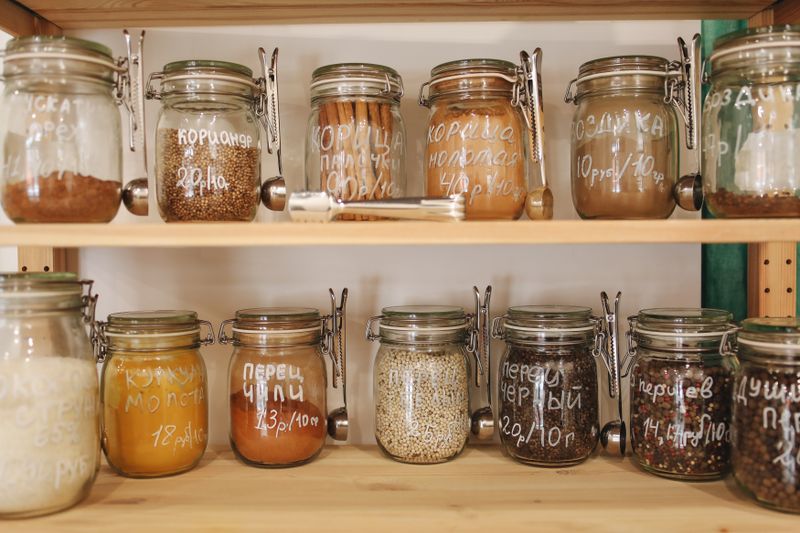
Nothing kills the momentum of a study session quite like searching for a pencil or marker. Keep a stash of essential supplies nearby,pencils, paper, erasers, rulers, and even art materials if your kids need them. Organization is key here. Use bins, trays, or even mason jars to keep everything in its place.
Here’s a personal tip: I use a label maker to keep things tidy. Each bin is labeled,’Markers,’ ‘Sticky Notes,’ ‘Rulers’,you get the idea. My daughter, who loves arts and crafts, gets excited every time she sees her colorful markers neatly stored. Plus, it saves us both from the dreaded “Mom, where’s my stuff?” routine.
—
Minimize Distractions
Kids are incredibly sensitive to distractions,whether it’s the TV, siblings shouting in the background, or even a buzzing phone. Homework stations work best in quiet areas where kids can focus. If you have multiple kids, consider staggering their homework times or creating separate spaces for each of them.
At first, we tried doing homework as a family at the kitchen table. But the constant chatter and interruptions made it nearly impossible for anyone to concentrate. Eventually, we set up individual homework stations in their bedrooms. It wasn’t just the noise that decreased,my kids were able to focus longer and finish their assignments quicker.
—
Make it Comfortable
Comfort matters more than you think. If the chair is too hard or the desk is too high, your child will be squirming instead of concentrating. Choose furniture that’s the right size and adjusts as your child grows. Adding cushions or an ergonomic chair can make a huge difference.
When I replaced my daughter’s old, clunky chair with a modern adjustable one, her posture improved, and she stopped complaining about how “sitting for homework is the worst.” It’s amazing what a tiny upgrade can do for both comfort and focus.
—
Personalize the Space
Kids love spaces that reflect their personalities. Let them decorate their homework station with things they love,artwork, posters, or even small plants. This transforms their homework station from just another work spot into a place they actually enjoy spending time in.
Last year, my son decided he wanted a superhero-themed desk. We found some fun posters with his favorite Marvel characters and even added a mini Captain America lamp. Now, whenever he’s stuck on a math problem, he glances up at Black Panther for inspiration. It’s amazing how little touches can make a big difference.
—
Establish a Routine
A predictable routine can help your child transition smoothly into homework mode. Set up a consistent time for homework,maybe right after school or after an afternoon snack. Building this habit not only creates structure but also minimizes excuses and procrastination.
For instance, my kids know that they have 30 minutes of downtime after school, followed by their homework session. I always have a snack ready,something simple like fruit or crackers,and they look forward to this little ritual. It’s a small gesture, but it helps them associate homework time with something positive.
—
Encourage Participation in the Setup
When kids have a say in their homework station setup, they’re more likely to use it. Ask them what kind of space they feel comfortable in,do they prefer quiet or background noise? Let them choose some of the supplies and decorations.
My daughter picked out her own desk accessories during a trip to the store. She chose a pastel pen organizer and a matching notebook. That little touch of personalization turned the space into something she felt proud of,and eager to use.
—
COMMON MISTAKES AND PRO TIPS
Common Mistakes:
- Skipping Lighting: Poor lighting can lead to strained eyes and headaches. Always opt for natural light or invest in a good desk lamp. I learned this the hard way when my son started complaining about eye discomfort during evening homework sessions.
- Overloading the Space: Too many supplies can overwhelm rather than help. Stick to the basics,pencils, erasers, paper,and rotate out items as needed.
- Forgetting Tech Needs: If your child uses tablets or laptops for assignments, ensure there’s access to power outlets and a stand for better ergonomics.
Pro Tips:
- Add a Timer: If your child struggles with focus, use a timer to break homework into chunks,say, 20 minutes of work followed by a 5-minute stretch break. This method worked wonders for my son, who used to lose steam halfway through his assignments.
- Incorporate Fun Elements: A motivational jar with stickers or small rewards can help younger kids stay excited about finishing tasks.
—
QUICK SUMMARY / TL;DR
- Designate a specific homework area for consistency.
- Keep supplies organized,avoid frantic searches.
- Minimize distractions by choosing quiet spaces.
- Prioritize comfort with ergonomic chairs and desks.
- Let kids personalize their homework station.
- Stick to a routine to build productive habits.
- Involve your child in the setup for ownership and excitement.
—
CONCLUSION
Homework doesn’t have to be a daily battle. With the right homework station setup, you can create an environment that encourages focus and builds confidence in your child. Whether it’s a cozy desk in their room or a small corner in the living room, the goal is to make homework time feel approachable,not overwhelming.
By incorporating these tips, adding personal touches, and avoiding common pitfalls, you’ll transform homework time from chaos to calm. Trust me, watching your child thrive in their dedicated space is one of the most rewarding outcomes. So, roll up those sleeves, and let’s get organized,it’s never too late to make a difference!
Products That Actually Help
A few things that make a real difference here:
- Toy Storage Bins – Labeled bins make cleanup something kids can actually do themselves.
- Bookshelf Organizer – A low bookshelf keeps favorite books visible instead of buried in a box.
- Command Center Wall Organizer – A wall command center stops permission slips from vanishing into the void.
Note: links above go to Amazon search results for these products.