Summer Cleaning Tips: Freshen Up Your Home This Season
Summer cleaning is easier to fit around everyday life when it targets the mess the season actually brings: busy entrances, outdoor furniture, shared rooms, and seasonal gear. Choose a few useful jobs, work at a comfortable time of day, and leave time for drying and breaks. There is no need for a complete home overhaul before enjoying the season.
Disclosure: These links open Amazon search results. They are optional browsing suggestions, not verified product reviews or price/availability checks.
Set a realistic seasonal list

Walk through the home and identify what needs attention now. Divide larger jobs into concrete steps, such as clearing one pantry shelf, cleaning it, and returning suitable food. Keep routine dishes, laundry, and spill cleanup separate from deeper projects.
Choose one or two task blocks that suit the week’s schedule rather than filling every free day. A short timer can give a task a boundary, but allow extra time to return supplies and leave the area safe. Adjust the plan when weather, energy, or family needs change.
Declutter the area you will clean
Return belongings that have drifted into shared rooms and sort one small storage area at a time. Keep, donate, recycle, and discard are possible groups. Check a recipient’s acceptance rules before packing donations, and do not dispose of shared items without the owner’s agreement.
Do not assume every rarely worn garment or occasional-use tool is clutter. Decide according to your actual needs, climate, available space, and plans. Avoid spreading several cupboard contents across the house when there is no time to put them back.
Build room-by-room checklists
For the kitchen, check stored food, clean suitable surfaces, and follow appliance-care instructions. Keep perishables cold while cleaning the fridge. For bathrooms, use separate toilet tools, suitable products, and ventilation. For bedrooms, follow bedding and textile care labels.
Dust reachable surfaces before cleaning the floor. Include overlooked but accessible baseboards or shelf tops when their condition calls for it. Switch lights and fans off before cleaning and keep liquid away from electrical parts. Leave high or awkward work for suitable help.
Use compatible products rather than blanket natural claims
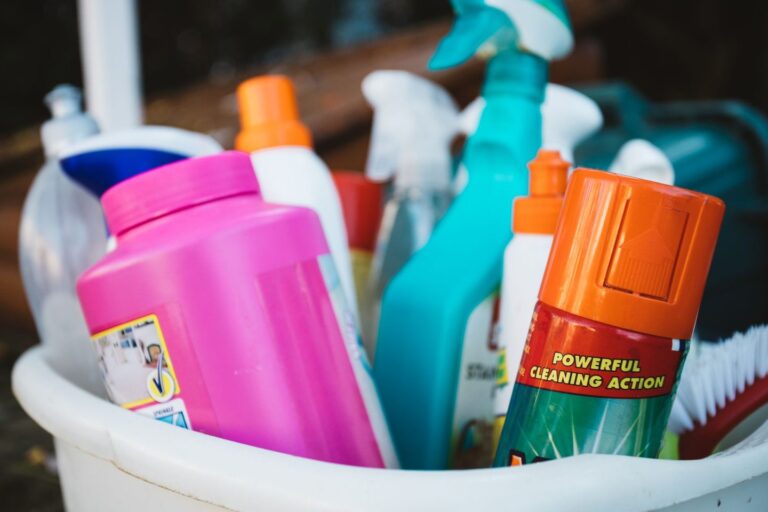
Choose a cleaner according to the surface and the job. Vinegar, lemon juice, and baking soda are not appropriate for every finish, and a homemade mixture is not automatically safer or better for air quality. Never mix cleaning products, particularly bleach with acids or ammonia.
If disinfection is needed, clean first and follow the product label, including wet contact time and any rinse. Fragrance is optional and is not evidence that cleaning has worked. Ventilate as directed and store products securely.
Give outdoor spaces a separate session

Choose conditions that allow you to work comfortably and safely. Sweep accessible patios or decks, clear the walking route, and wipe suitable furniture according to its material instructions. Read outdoor cushion labels and allow washed items to dry thoroughly before storage.
Inspect furniture for damage rather than covering it with a clean cushion. Use appropriate help for heavy lifting, high access, tree work, or damaged structures. Do not mix cleaning runoff and chemicals indiscriminately around plants, drains, or play areas.
Sort seasonal gear before storing it
Bring related beach, garden, picnic, or outdoor-play items together. Clean and dry what the item’s instructions allow before packing it. Label bins by activity so a whole kit can be retrieved without searching several containers.
Keep sunscreens, cleaners, fuels, batteries, and other sensitive products in the conditions their labels require rather than treating the garage as a universal storage location. Do not seal damp textiles into a bin or vacuum bag. Leave equipment clearances and exits unobstructed.
Share work without turning it into a race

Agree on complete tasks with household members. Children can help with age-appropriate sorting or putting toys away, while adults handle chemicals, blades, electrical equipment, and heavy work. A playlist or a short shared session is optional.
Avoid speed competitions that encourage mixing supplies, rushing ladders, or skipping safe handling. A useful finish is more important than completing a room faster than someone else. Take breaks and reduce the list if conditions are uncomfortable.
Maintain only what the home needs
Review busy spots such as the entrance, kitchen, and outdoor-to-indoor route during the week. Add a short reset for the items that repeatedly land there. A basket or hook is useful only if it suits the contents and is used consistently.
The existing seasonal-storage searches below are browsing categories, not tested recommendations. Check dimensions, closure, storage conditions, and textile care before buying. For cleaning-product basics, see CDC’s home cleaning guidance.
Amazon category searches
Optional browsing links. Check the specific listing, dimensions, materials, instructions, and current terms before buying.