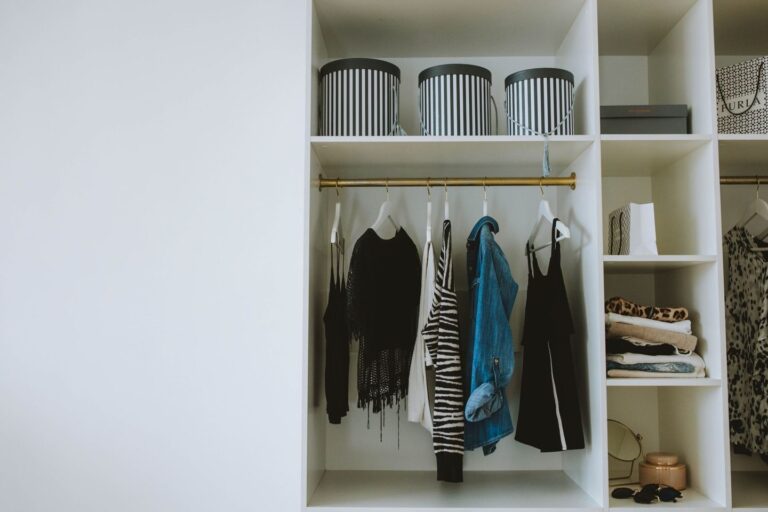
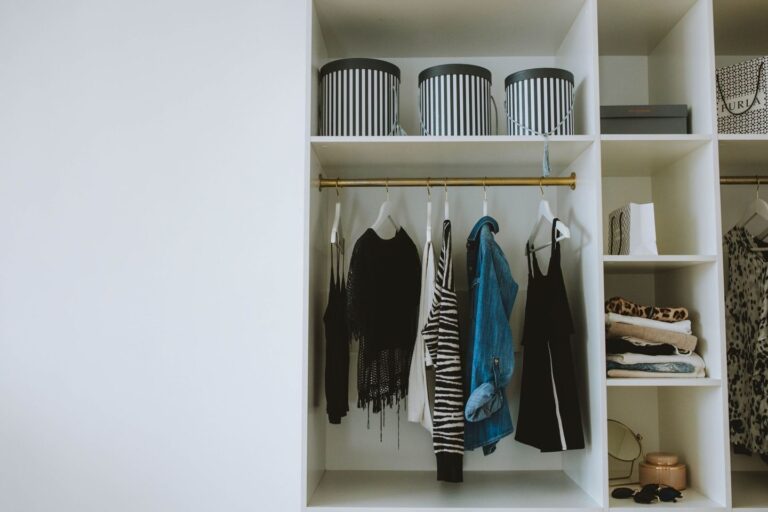
Affordable Closet Makeover Hacks You Can DIY
Shopping links: These links open Amazon search results. They are optional browsing suggestions, not verified product reviews or price/availability checks.
Choose one useful closet change
An affordable closet makeover can begin with an existing shelf or one clothing category. It does not require emptying the room, replacing every hanger or discarding half a wardrobe. Pick a recurring difficulty, such as finding work shirts, and decide what a better arrangement would let you do. This is a planning guide, not a tested construction plan or a promise of savings, stress relief or damage-free installation. Start with what is already available.
Sort a small section with the owner
Move only what you can return before stopping and keep the walking route clear. Ask the owner before removing anything. Unworn clothing may still serve seasonal, work, cultural, accessibility or sentimental needs. Keep uncertain items in a contained review group rather than forcing a donate-or-trash decision. Check donation acceptance and local textile routes before arranging a handoff. A receipt or private paper needs its own retention decision, not automatic disposal with a broken hanger.
Measure the actual storage gap
Check shelf depth, rod space, door movement and the room needed to open drawers. Identify any dampness, loose fittings or damage before adding contents. Do not cover a repair issue with wallpaper or a basket. Group suitable items in an existing drawer or intact container and test access first. Keep frequently used contents within comfortable reach. Buying several bins before checking fit can replace a visible pile with a set of awkward containers.

Treat extra rods and shelves as installation work
A tension rod is not automatically suitable for clothes, bags or a second hanging rail. Check the actual product, surface compatibility, complete load and installation instructions. A hanging rail also places demands on its existing supports. Do not improvise a doubled system or rely on friction where a falling load could hurt someone. Wall shelves and pegboards need suitable fixings and any required rental permission. Use appropriate help when the support requirements are unclear.
Use hooks within their stated limits
An adhesive hook is not a promise of no finish damage and is not a furniture anchor. Follow surface preparation, loading and removal directions and check the rental agreement or property permission where relevant. A filled laundry bag or backpack can weigh much more than the empty container. Open S-hooks and repurposed shower rings may not suit the load or household access. Avoid sharp projections, hanging loops and placements that invite children to climb.

Choose suitable dividers instead of improvised structures
An intact existing box may help separate suitable lightweight accessories if it fits without obstructing the drawer. Keep small parts and hazardous contents secure from children and pets. Avoid breakable jars where they can fall or shatter. A glued PVC stack, crate tower or homemade shelf needs an appropriate design and verified construction, not a generic claim that it is sturdy. This guide supplies no structural recipe or load rating for a DIY shoe rack.
Keep lighting separate from decorative shortcuts
Use only lighting intended for the location and install it according to its instructions, including clearances from clothing and other materials. Do not drape fairy lights through garments or stick a powered light anywhere that looks dark. Secure batteries, especially button batteries, from children. Keep charging equipment out of crowded clothing storage unless its instructions permit the setup. Wiring, damaged outlets and unresolved electrical work belong with an appropriately qualified professional, not an organizer.

Keep usable hangers and finishes
Matching hangers are optional. Use intact hangers suited to each garment and the available rail rather than replacing them for color alone. Do not spray-paint plastic hangers as a default makeover step: material compatibility, coating instructions, ventilation, curing and transfer to clothing would all need checking. Paint, peel-and-stick lining and other finish changes also need product compatibility and any required property approval. A cleaned, usable existing shelf does not need a new finish to count as progress.
Check the result before spending more
Return suitable contents, keep heavy items low and follow furniture anchoring instructions. Use readable labels only where they help the people using the closet. Check that doors close, drawers open and the chosen clothing can be reached without unstable climbing. A capsule wardrobe is optional, not a requirement to finish. The retained hanger, divider and rack searches are category searches, not verified prices, tested products or proof of fit. Keep the one change that works and review unresolved items with their owners.
Retained links and sources
- Optional Amazon category search: Velvet Hangers
- Optional Amazon category search: Shelf Dividers
- Optional Amazon category search: Shoe Rack
- Easy Closet Organization Ideas for Small Spaces
- How to Declutter Clothes in 5 Simple Steps
- Shoe Storage Ideas for Small Space Living
- CPSC: secure storage and furniture anchoring