How to Declutter Clothes in 5 Simple Steps
Shopping links: These links open Amazon search results. They are optional browsing suggestions, not verified product reviews or price/availability checks.
Five steps for deciding what stays in your closet
Clothes decluttering is a set of ownership and storage decisions, not a test of discipline or a requirement to own fewer things. Start with one practical problem, such as a drawer that will not close or clothes you cannot find. These five steps leave room for changing sizes, occasional wear, sentimental items and shared belongings. No method guarantees less stress or extra money. The useful result is a closet you can use and decisions you understand, not a particular number of garments.
Step 1: choose a section and a stopping point
Pick a drawer, category or short part of a rail. Set up a clean temporary surface without blocking the bed, door or walking route. Choose a session length that fits your energy and other plans; there is no need to reserve an entire afternoon. Music and company are optional. Stop while you can still put the section back safely. An unfinished review is not a failure if the room remains usable and the next decision is clearly identified.
Step 2: sort without making immediate disposal decisions
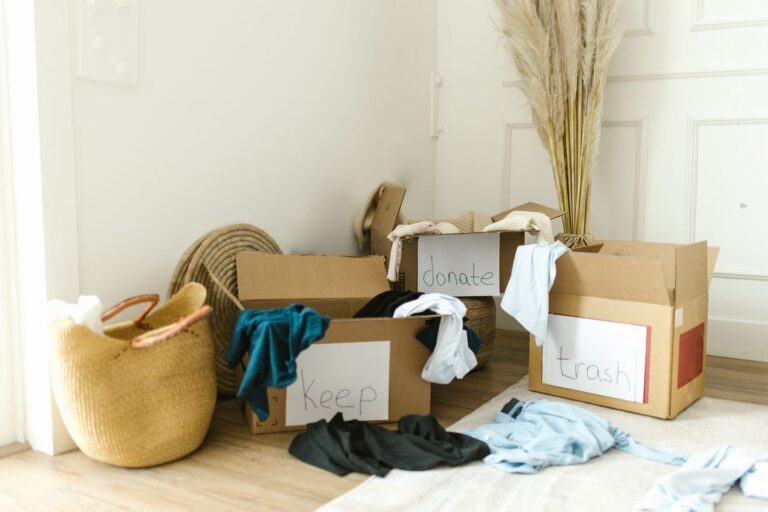
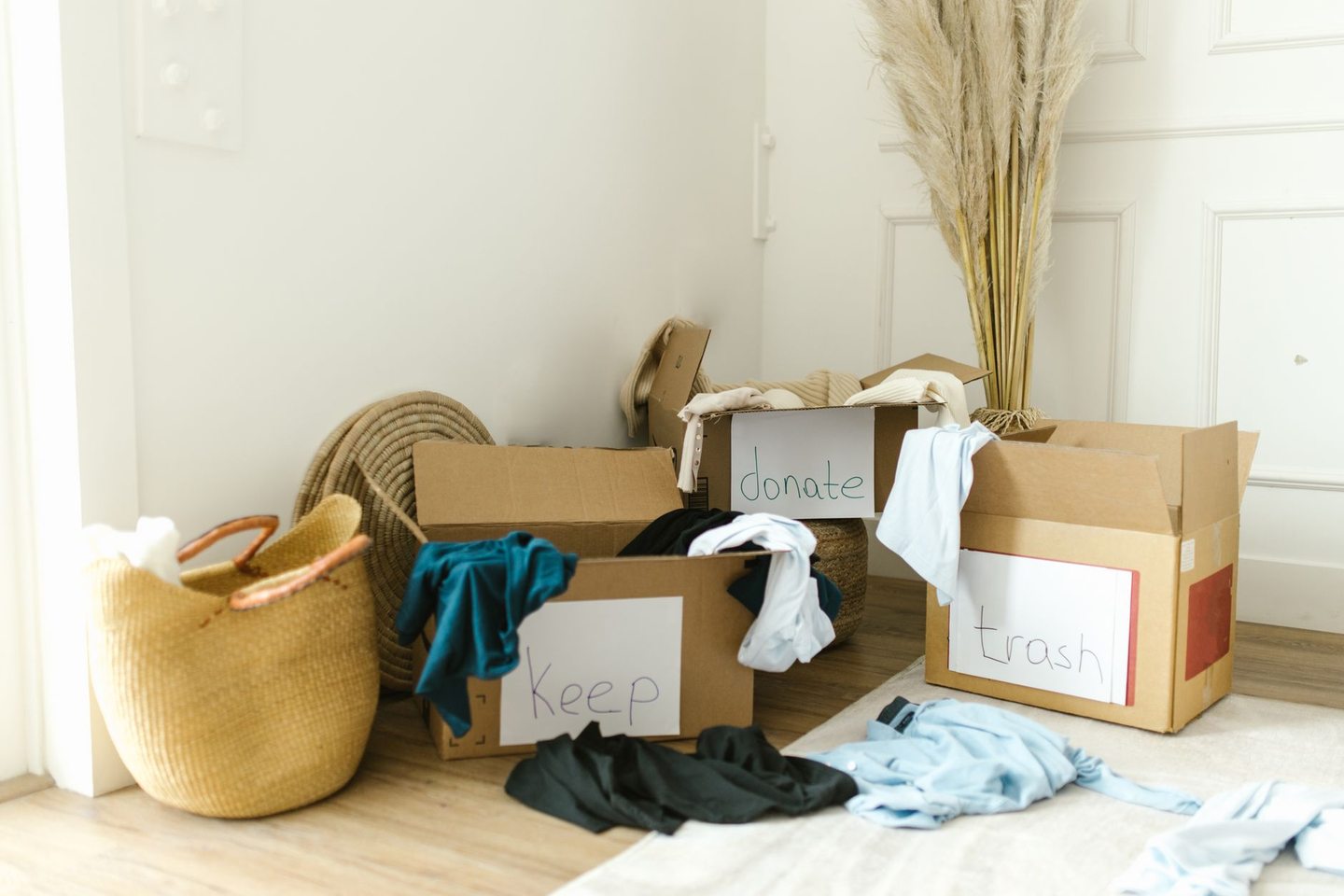
Use simple groups: keep here, return elsewhere, care or repair, owner review and possible donation, sale or disposal. Check pockets, folded items and any storage bags before moving them. Ask other owners before sorting their possessions into outgoing groups. Keep small valuables separate and secure. You can place uncertain garments in a labeled review group with a planned review date. Do not treat an item’s age, current size or lack of recent wear as proof that it is unwanted.
Step 3: decide using the garment's real role
Consider current activities, comfort, condition, fit and reasons for occasional use. Work, ceremonial, religious, seasonal and emergency clothing may be needed infrequently. Sentimental items can have a separate storage role. If a repair would make something useful, note the work and decide whether you want to arrange it. You do not have to keep a garment out of guilt, but you also do not have to discard it to satisfy a joy rule, a wardrobe ratio or someone else’s idea of minimalism.
Choose an outgoing route before making a large pile
Check the current acceptance rules of the actual donation or textile service you plan to use. Damaged or stained clothes are not automatically suitable donations, and a charity may not need every category. Keep outgoing items separate from household rubbish until you have checked the route. A resale listing may take time and may not sell; do not count expected proceeds as money received. Ask an item’s owner before listing it, and avoid sharing personal information or an address unnecessarily.
Step 4: return clothes in a useful order
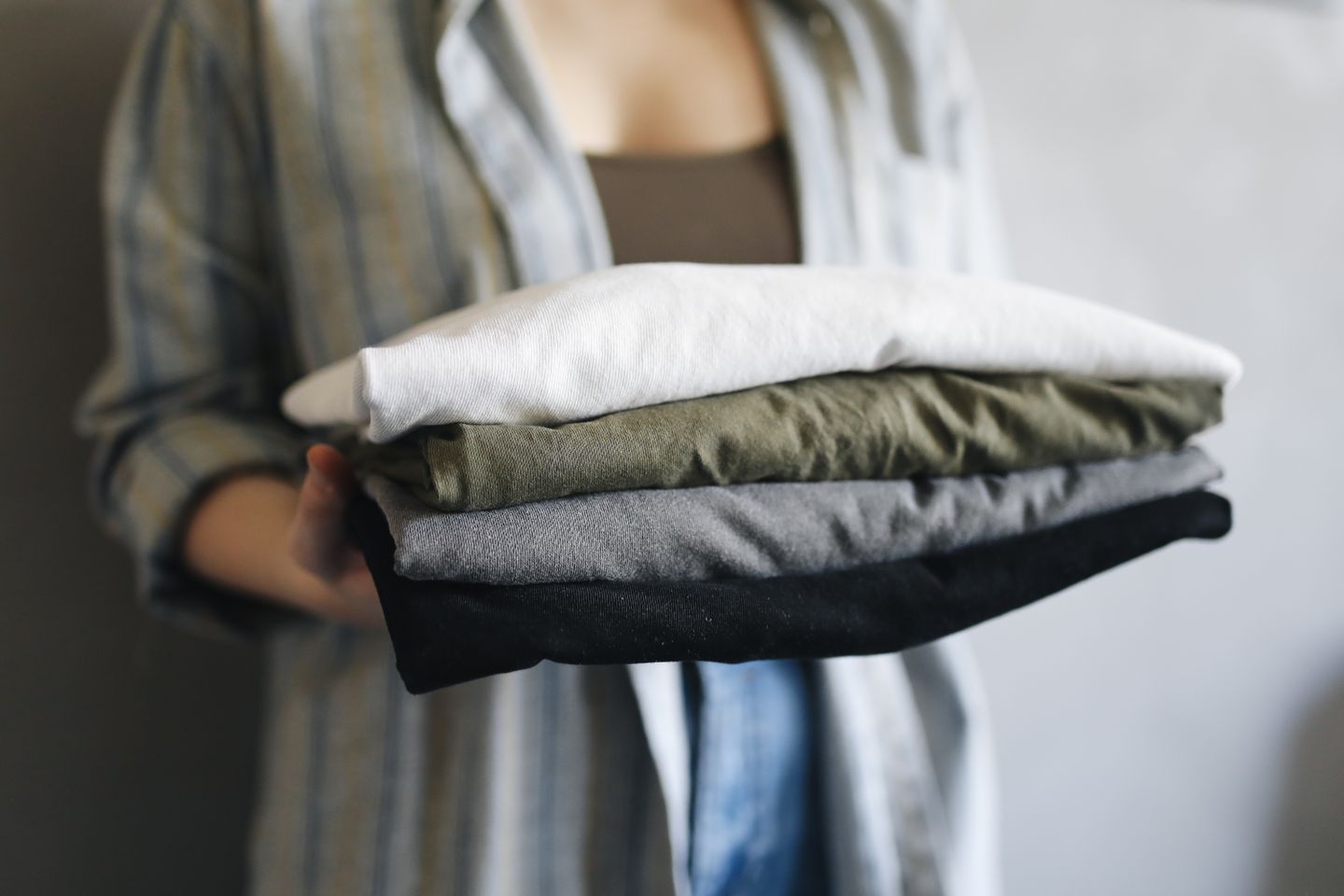
Group kept items by the way you choose an outfit, whether that is activity, garment type or complete combination. Color sorting and matching hangers are optional. Follow garment care and storage instructions when choosing folding or hanging. Leave enough room to remove and return clothes without pulling everything else out. Clean and fully dry stored items first. Keep clothing you may need soon accessible rather than putting every layer away because a calendar says the season changed.
Check the storage before adding accessories
Use suitable existing containers first. Measure drawers, shelves and openings, and check loading and mounting instructions for any organizer. Additional rods, dividers or stacked racks do not automatically increase safe capacity. Keep heavy containers low enough to retrieve without unsafe lifting and do not climb on furniture. Follow furniture anchoring instructions, and resolve suitable fixings and rental permission before installation. Compression bags suit only garments that permit compression; they do not guarantee freshness or protect every material.

Step 5: keep a small repeatable reset
Return clean clothes to their place, keep laundry separate and put care or repair items in an identified group. Review the category that repeatedly overflows before buying more organizers. One-in-one-out is an optional purchasing habit, not a rule forcing a useful garment to leave whenever another arrives. A friend can help with sorting if wanted, but the owner makes the decisions. There is no requirement to finish every clothing decision in one session or to turn a review box into an automatic donation deadline.
Review what changed before buying anything
After ordinary use, notice whether items are easier to find, reach and return. Adjust the arrangement that is inconvenient instead of starting another complete purge. If a real storage gap remains, define it and check dimensions, loading, maintenance and return terms for the exact item. The retained shopping destinations below are category searches, not verified fit, quality or availability. You may finish with the same number of clothes in a more workable arrangement, and that is a valid outcome.