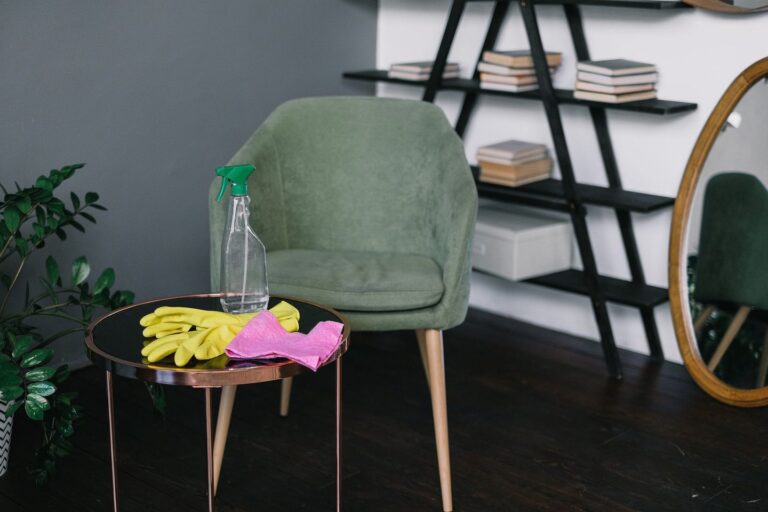
Your Summer Cleaning Schedule for a Cool, Organized Home
A summer cleaning schedule should protect usable time as well as usable space. Choose the rooms that need regular attention, give seasonal jobs their own slots, and avoid assuming that longer daylight means more energy for chores. The example schedule below can be adapted to your household; it is not a personally tested routine or a guarantee of a cooler home.
Disclosure: These links open Amazon search results. They are optional browsing suggestions, not verified product reviews or price/availability checks.
Make a calendar from actual needs

List the necessary daily tasks, weekly cleaning, and occasional projects separately. Then assign realistic time blocks. An illustrative week could put bedroom care on Monday, bathroom cleaning on Wednesday, and a kitchen reset on Friday, with one outdoor task when conditions suit it.
Move tasks when work, weather, health, or family plans change. Record what was completed so the next session begins with the real remaining work. A calendar should reduce decisions, not become a scorecard.
Start with one small area
Choose a room or zone with a clear finish: one counter, a bathroom sink area, or the floor around the entry. A short timer can keep the session manageable, but stop at a point that leaves belongings and cleaning products safely put away.
Do not empty multiple cupboards to create an impressive start. Keep the kitchen, bathroom, and main routes usable while work continues. A small finished area is more practical than several half-sorted rooms.
Declutter before washing surfaces
Return items to their usual homes and separate usable donations, recycling, and waste. Check donation rules and dispose of chemicals or electronics through appropriate local routes. Respect the ownership of shared belongings.
Keep useful seasonal clothing and equipment even when it is not needed this week. The question is whether it has a purpose and a suitable home, not whether every object is in constant use. Clear enough space for cleaning rather than making a rushed decision about everything.
Check supplies before buying more
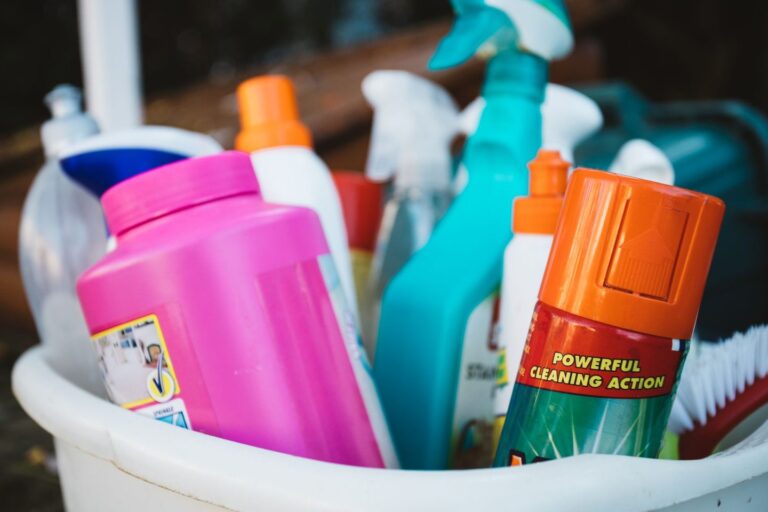
Use the cloths, brushes, vacuum attachments, and compatible cleaners you already have if they do the job. Check condition and care instructions. A new scent or ‘earth-friendly’ claim alone is not evidence that a product is suitable for a particular surface.
Never mix cleaners. Follow labels for dilution, ventilation, protective equipment, and rinsing. If disinfection is called for, clean first and observe the product’s wet contact time. Keep supplies inaccessible to children and pets.
Give busy rooms the right frequency
Food spills and dishes need attention when they happen, not only on kitchen day. During the weekly reset, check stored food, wipe suitable surfaces, and clean the floor. Keep perishables cold if cleaning refrigerator shelves.
In living areas, put away obvious clutter, dust reachable surfaces, and vacuum or sweep afterward. Follow floor and upholstery instructions rather than using one method everywhere. In bathrooms, keep toilet-cleaning tools separate and investigate leaks or recurring dampness.
Add one outdoor job when conditions suit it
Sweep an accessible porch or patio, clean suitable furniture, or organize a small set of garden supplies. Follow materials guidance and allow cushions and textiles to dry fully. Do not take on unsafe heights or heavy work just to stay on the calendar.
Clean a grill only when it is cool and its instructions permit the method, keeping fuel and electrical parts safe. Inspect it for faults and follow the manufacturer’s operation guidance before the next use. A clean surface alone does not prove the equipment is safe.
Share the work and keep access clear

Give household members clear, age-appropriate tasks, including the final put-away. Adults should handle chemicals, sharp tools, electrical equipment, and lifting that needs care. A shared reset can be short; there is no need to make it a race.
Keep shoes and outdoor gear in defined places near the entrance without blocking a door or walkway. Store sensitive products according to their labels rather than putting every seasonal item in a hot garage. Equipment and exits need their required clearances.
Review and stop when the useful work is done
At the end of the week, notice which tasks helped and which can wait. Reduce an overfull schedule. A break, book, or outing can follow without needing to earn it through an unrealistic cleaning marathon.
The existing storage searches below are optional categories. Measure first and check whether vacuum bags or garment bags suit the textiles involved. No listed category has been tested for this routine. See CDC’s cleaning guidance for safe product use.
Amazon category searches
Optional browsing links. Check the specific listing, dimensions, materials, instructions, and current terms before buying.