How to Create a Minimalist Home Tour that Inspires
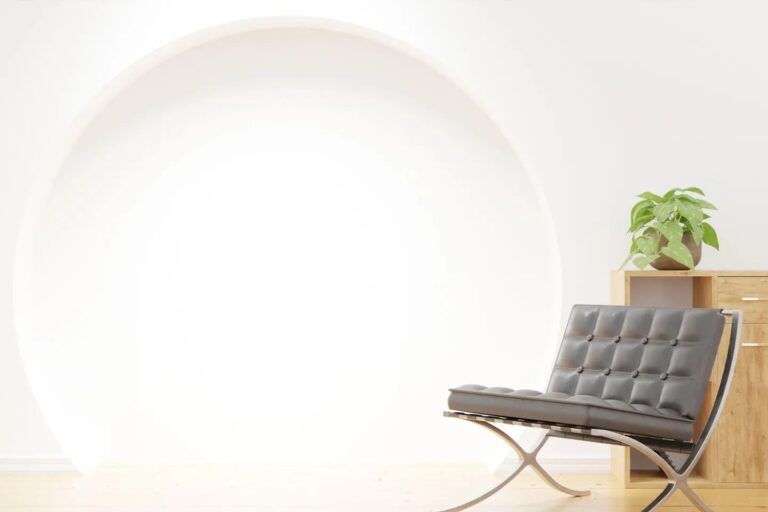
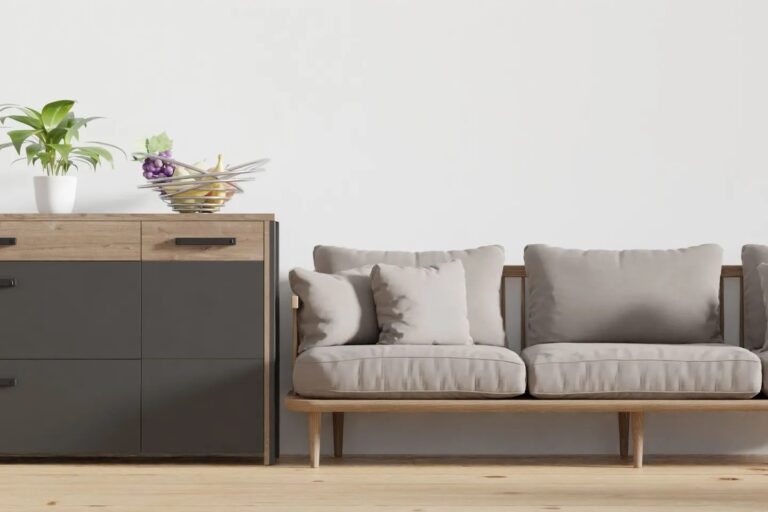
To create a useful minimalist home tour, explain how the home works rather than presenting an empty-room ideal. This is a planning guide, not a tour of the author’s home or a documented transformation. Existing stock photographs are illustrative. A thoughtful tour can include color, collections, family belongings, and accessibility features alongside simpler storage and clear routes.
Disclosure: These links open Amazon search results. They are optional browsing suggestions, not verified product reviews or price/availability checks.
Choose the story and the audience

Decide whether the tour is a personal record, a guide for friends, or something you plan to share more widely. Choose a few practical themes, such as a small entry system or furniture that supports several activities.
Keep claims within what you can show. Explain a design choice as a preference or an example rather than promising that the arrangement improves mental health, saves a fixed amount of time, or works for every household.
Review the space without forcing a purge
Remove obvious misplaced belongings and consider what makes each room easier to use. Ask other owners before moving or removing shared items. Do not discard seasonal supplies, required records, or meaningful objects simply because they do not match the visual plan.
Work in small areas and use what already exists. Minimalist styling is not a reason to replace sound furniture, repaint every wall, or buy matching storage before understanding the actual need.
Show the function of each room
Describe what happens in the space and how the arrangement supports it. An entrance might have a simple bag destination; a living room might leave a route for movement and a place for current reading.
Multipurpose furniture can be worth showing when the functions are convenient. Explain any tradeoffs, such as the effort of opening storage beneath a loaded tabletop. A tour is more useful when it includes limitations as well as attractive details.
Use light and color as choices, not rules

Photograph in light that makes the room readable and represents it honestly. Keep appropriate window coverings for privacy, glare, temperature, and sleep rather than removing them just for brighter pictures.
Neutrals are one option. A colorful room can still have a deliberate arrangement. Use existing texture, artwork, or personal objects to explain the household’s preferences without claiming one palette is universally calming.
Show storage honestly
Explain where daily items go and how easy it is to return them. If you show a cupboard or drawer, make clear that it is an example, not a standard every viewer must meet.
Do not hide piles out of frame and describe the result as a permanent transformation. If the room was staged temporarily, say so. Avoid before-and-after claims unless the images and account genuinely document the same project.
Protect the household’s privacy
Get agreement before including other people’s rooms, possessions, faces, or personal stories. Check photographs for addresses, documents, school details, screens, reflections, valuables, and security-sensitive information.
Decide what can be omitted. An inspiring tour does not need an exact floor plan or every storage location. Stock images must be identified as illustrative rather than represented as photographs of your home.
End with ideas viewers can adapt
Offer one or two practical changes that do not require a purchase, such as giving incoming mail a destination or moving frequently used tools closer to their task. Explain what made the change useful in the actual space.
Review the room after normal use before calling an arrangement successful. A useful minimalist tour helps people think about their own needs; it does not sell perfection, demand a particular aesthetic, or suggest that less furniture automatically creates a better life.
Amazon category searches
Optional browsing links. Check the specific listing, dimensions, materials, instructions, and current terms before buying.