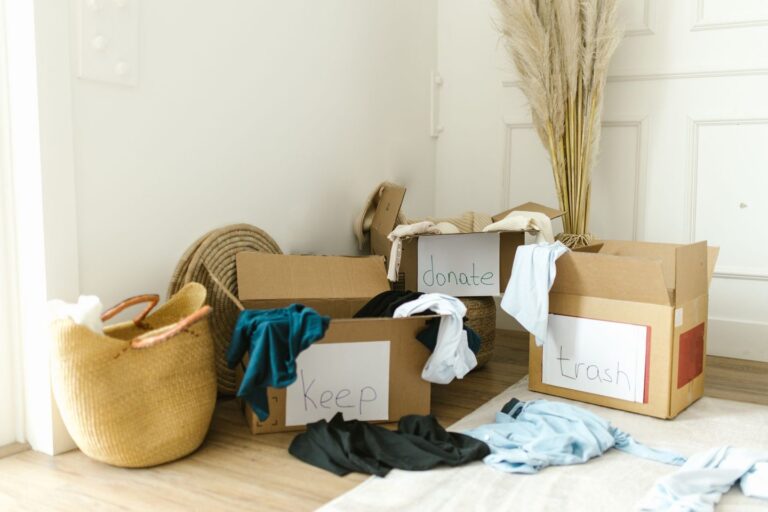
7 Tips for Decluttering Sentimental Items with Ease
Decluttering sentimental items is a personal decision, not a test of resolve or a race to fill a donation bag. You can keep objects because they matter to you, even if they are rarely used. These seven tips offer a gentler way to review belongings when you want more room or easier access, without inventing a family story or promising an easy emotional outcome.
Disclosure: These links open Amazon search results. They are optional browsing suggestions, not verified product reviews or price/availability checks.
1. Choose a purpose and a small starting point

Decide what you want to improve: finding photographs, protecting letters, or making a crowded shelf usable. Start with a small category you feel ready to review, rather than the most emotionally difficult box.
Leave enough time to put everything away. A useful session can end with better labels or safer storage, even if you decide not to let anything go.
2. Keep ownership clear
Before sorting, identify whether the items belong to you, another person, a shared household, or an estate. Ask the relevant owner or follow the appropriate process before changing or disposing of shared belongings.
Family objects can have meanings you do not know about. Offer a conversation rather than assuming that the person with the smallest storage space should make every decision. Do not use a decluttering deadline to settle an ownership dispute.
3. Use a memory box as an option, not a quota
A designated container can bring related keepsakes together and make them easier to enjoy. Choose storage suited to the contents and the available space, rather than forcing delicate items into the smallest possible box.
For old photographs, textiles, valuable objects, or fragile paper, seek appropriate preservation guidance before choosing wrapping materials or a storage location. Ordinary plastic bags, tape, or household paper are not suitable for every material.
4. Ask questions without forcing a verdict

Consider what the item represents, whether you want to see or use it, and what keeping it requires. You can also ask whether another arrangement, such as a display or shared archive, would suit it better.
There is no requirement for an object to bring uncomplicated joy. Memories can be mixed. If the decision feels unclear, label an undecided group and return to it when ready rather than applying a one-year disposal rule.
5. Keep sessions within your capacity
Choose a short session if a time boundary feels helpful, but use the timer as a reminder to pause, not a deadline to discard. Stop when concentration or emotional capacity runs low.
A trusted person can help with carrying, labeling, or listening if you want support. Agree that they will not pressure you or remove belongings without permission. If the process brings significant distress, step back and seek appropriate support.
6. Record stories and make digital copies carefully

A photograph, written note, or audio memory can add context to an object. Record names, dates, and the story while someone still knows them. Ask permission before recording or sharing another person’s personal information.
Digital copies are optional and do not always replace the original. Check image readability and keep suitable backups before relying on a copy. Private letters and family photographs need thoughtful access controls rather than automatic public sharing.
7. Choose a respectful next destination
When you decide an item can leave, consider whether a relative, friend, archive, or charity actually wants and accepts it. Give recipients a genuine choice rather than transferring an obligation.
Check value, privacy, and legal or family obligations before donation or sale. Finish the agreed handoff and update any inventory. Success means making decisions you can live with and caring for the items you keep, not proving that memories exist independently of objects.
Amazon category searches
Optional browsing links. Check the specific listing, dimensions, materials, instructions, and current terms before buying.