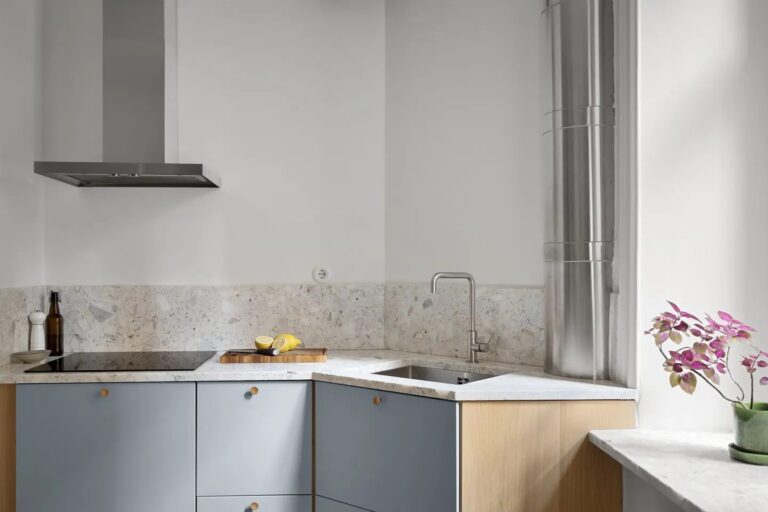
Easy Under Sink Storage Solutions for Every Kitchen
Under-sink storage has to work around plumbing, possible leaks, and products that may need to stay away from children or pets. The aim is a small, accessible set of supplies, not a packed cabinet. Check the condition of the space first, measure the obstacles, and test a simple layout before buying shelves or baskets.
Disclosure: These links open Amazon search results. They are optional browsing suggestions, not verified product reviews or price/availability checks.
Empty, inspect, and clean safely
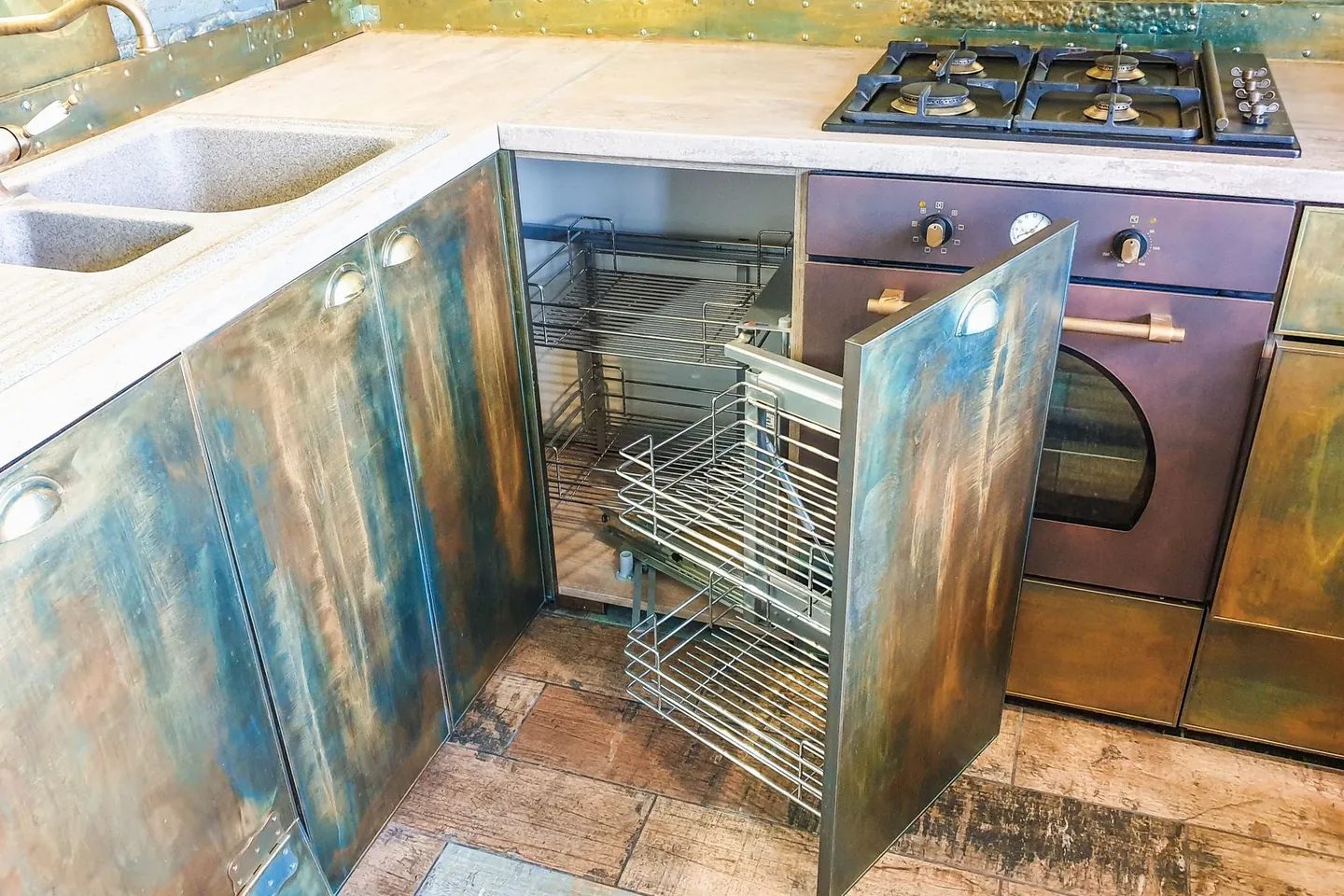
Move contents to a secure surface away from children, pets, and food. Keep cleaners upright in their labeled original containers. Check for damaged bottles, leaks, and products whose labels are no longer readable. Follow local household-hazardous-waste guidance for unwanted chemicals rather than pouring mixed leftovers down the drain.
Inspect the cabinet, pipe connections, and surrounding area for moisture or damage. If there is an active leak, address it before organizing. Dry and clean the cabinet with a method suitable for the material. Persistent mold, swollen boards, or recurring dampness need more attention than a new storage liner.
Measure the usable space, including access
Record the internal width, depth, and height, then note pipes, shutoff valves, disposal equipment, hoses, and electrical parts. Measure the opening between hinges and check how far a door swings. A shelf that fits inside the cabinet may still be impossible to insert through the opening.
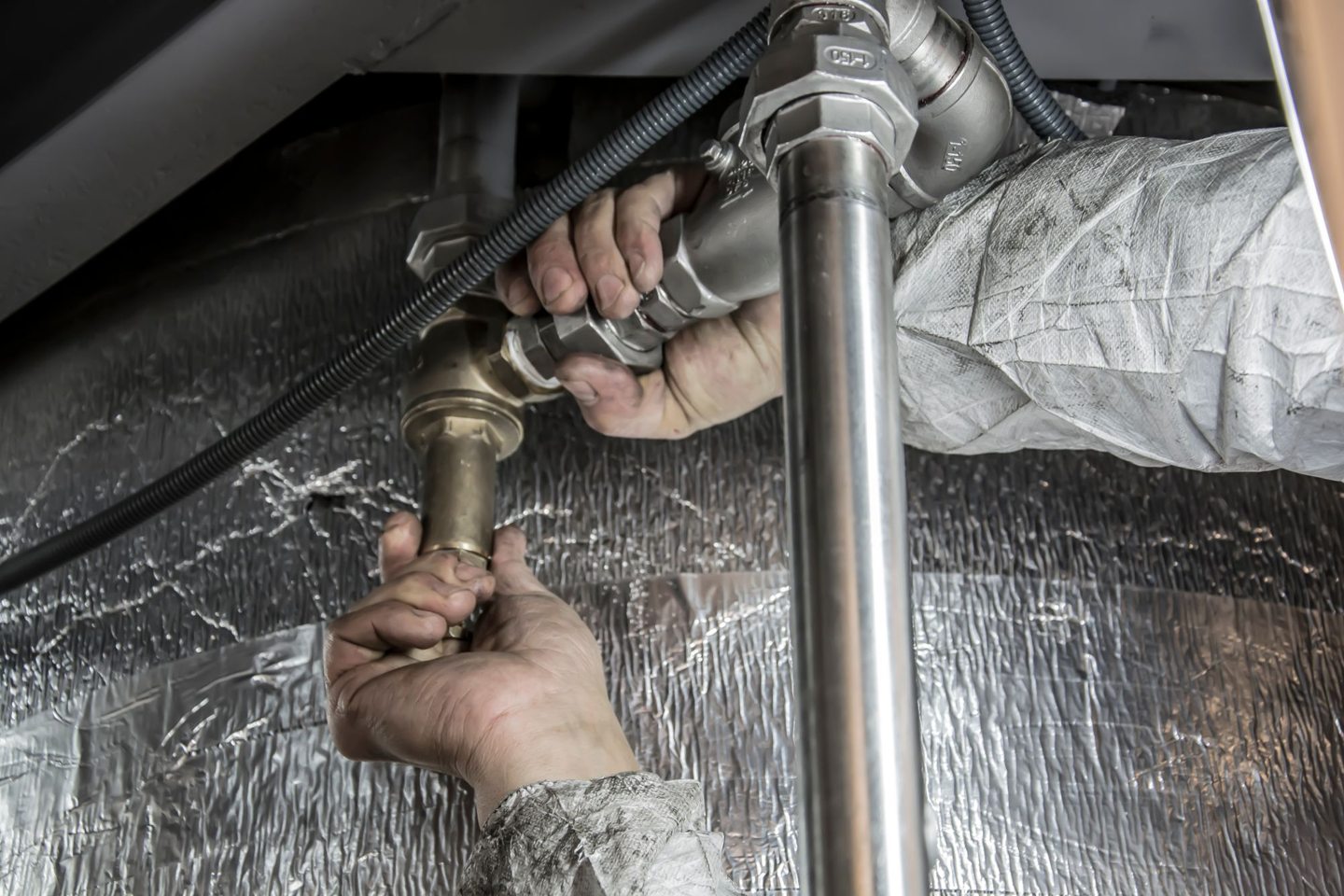
Leave clear access to valves and connections. Do not push an organizer against plumbing or block access needed for inspection and repair. If equipment needs ventilation or clearance, follow its instructions.
Choose an adjustable shelf only if it fits
A purpose-made shelf with removable or adjustable sections may work around pipes. Compare the exact adjustment range, load rating, material, and stability. A metal shelf is not automatically better than plastic; its suitability depends on moisture resistance, design, and the intended load.
Test the empty organizer first, close the door slowly, and then add a modest load. Keep heavy bottles low. If the shelf makes valve access awkward, a few removable bins may be the better choice.
Group a few supplies in removable bins
Useful groups might be dishwashing supplies, cleaning cloths, and backup trash bags. Keep only what belongs there, and store bulk refills elsewhere if they crowd the cabinet. Washable trays can make a small spill easier to notice and clean.
Clear bins show contents; opaque bins can work with simple labels. Neither changes the safety requirements of the contents. Follow product directions about separation and storage, and do not group incompatible chemicals in a way that could let leaked liquids mix.
Be cautious with tension rods and hanging bottles
Hanging a bottle by its trigger can put stress on the trigger and may allow the bottle to fall or leak. Do not treat an ordinary tension rod as a reliable chemical-storage rack. Use a purpose-designed system only if the rack and container instructions support the arrangement and load.
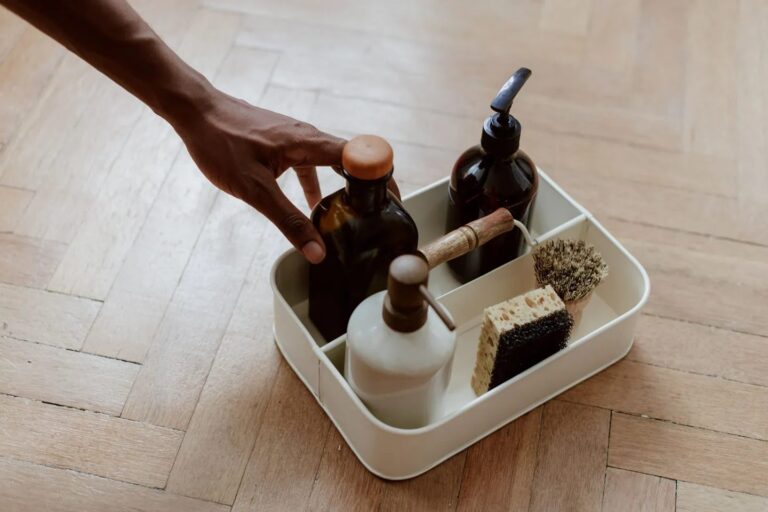
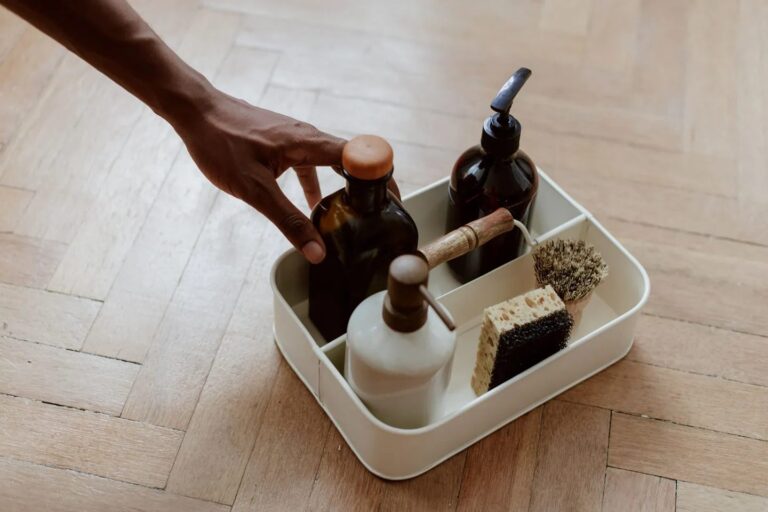
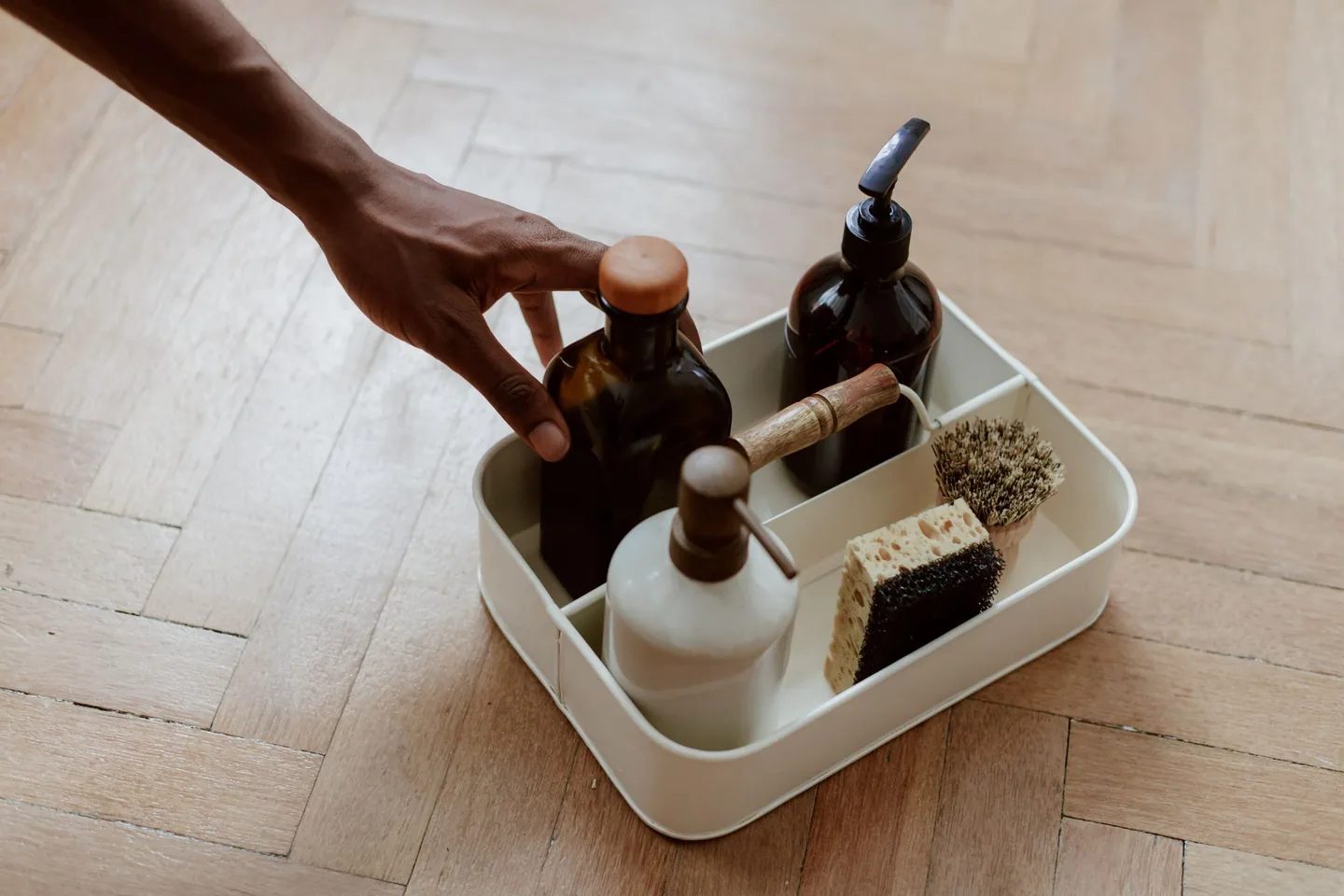
For many cabinets, a low, stable caddy is simpler. It should allow bottles to stand upright without compressing hoses or catching on the door. Ease of removal matters more than creating another vertical layer.
Check door-mounted storage carefully
A small door caddy or hook may hold a light brush or gloves if the door material, fastener, and clearance are suitable. Follow the mounting instructions and rated weight. Check for shelves or pipes that the organizer could strike when the door closes.
Avoid adding loose sharp tools or powerful magnets to a low cabinet accessible to children. Secure cleaning products as appropriate for the household, and remember that an attractive bin is not a child-resistant enclosure.
Repurpose storage with limits
A washable office or craft organizer can sometimes hold dry, non-food cleaning accessories. Check its stability and whether it tolerates the damp conditions of the cabinet. Do not store cutting boards, food, or clean eating utensils beneath a sink alongside chemicals and plumbing.
Retain original chemical labels and closures. Never decant a cleaner into a food jar or unmarked spray bottle to make the space look uniform. Category labels on the shelf can help people return items without replacing safety information.
Keep the cabinet dry and visible
A removable waterproof tray or liner can help contain a minor spill, but lift it periodically to inspect underneath. It is not a repair for a leak. Moisture absorbers and silica-gel packets are not substitutes for fixing plumbing or resolving recurring condensation, and they add items that must be kept away from children and pets.
Keep enough open space to see and inspect the base. Return only dry cloths and accessories. Check for fresh moisture during an ordinary supply refill and act on it promptly.
Buy less and review the layout
Before using any product search below, decide what belongs in the cabinet and measure the remaining space. The links cover under-sink shelves, baskets and bins, not tested products. Check pipe clearances, mounting requirements and load ratings before buying. Keep cleaners in their original labeled containers.
After a week of normal use, ask whether a bottle can be removed easily, the door closes freely, and the valves remain accessible. If not, remove items or simplify the layout before adding another organizer.
Amazon category searches
Optional browsing links. Check the specific listing, dimensions, materials, instructions, and current terms before buying.
- Under-sink cutout organizer search Search category only. Measure the cabinet and pipe clearances before buying.
- Slide-out under-sink basket search Search category only. Check the installation method, travel clearance and load rating.
- Under-sink storage bin search Search category only. Measure the space and keep cleaning products in their original labeled packaging.
Related reading
- Kitchen Organization Ideas to Maximize Space
- Simple Pantry Organization Hacks for Small Spaces
- Best Small Kitchen Storage Solutions You Need
For another practical approach, see our Under Sink Storage Kitchen Ideas to Save Space.