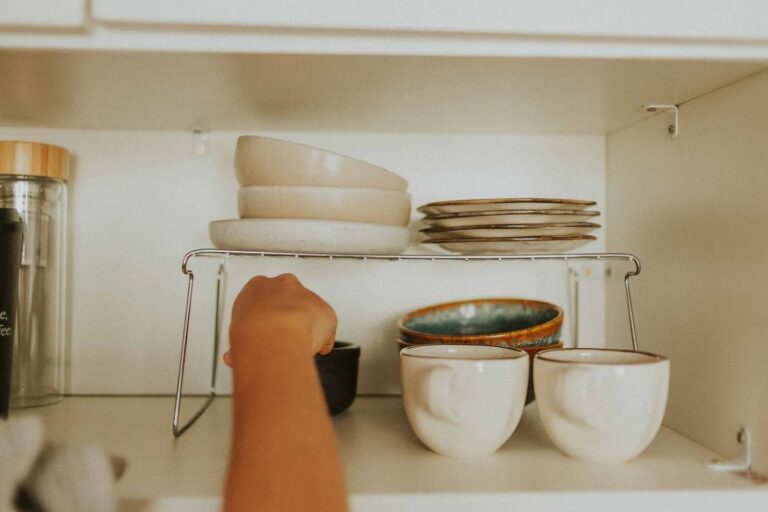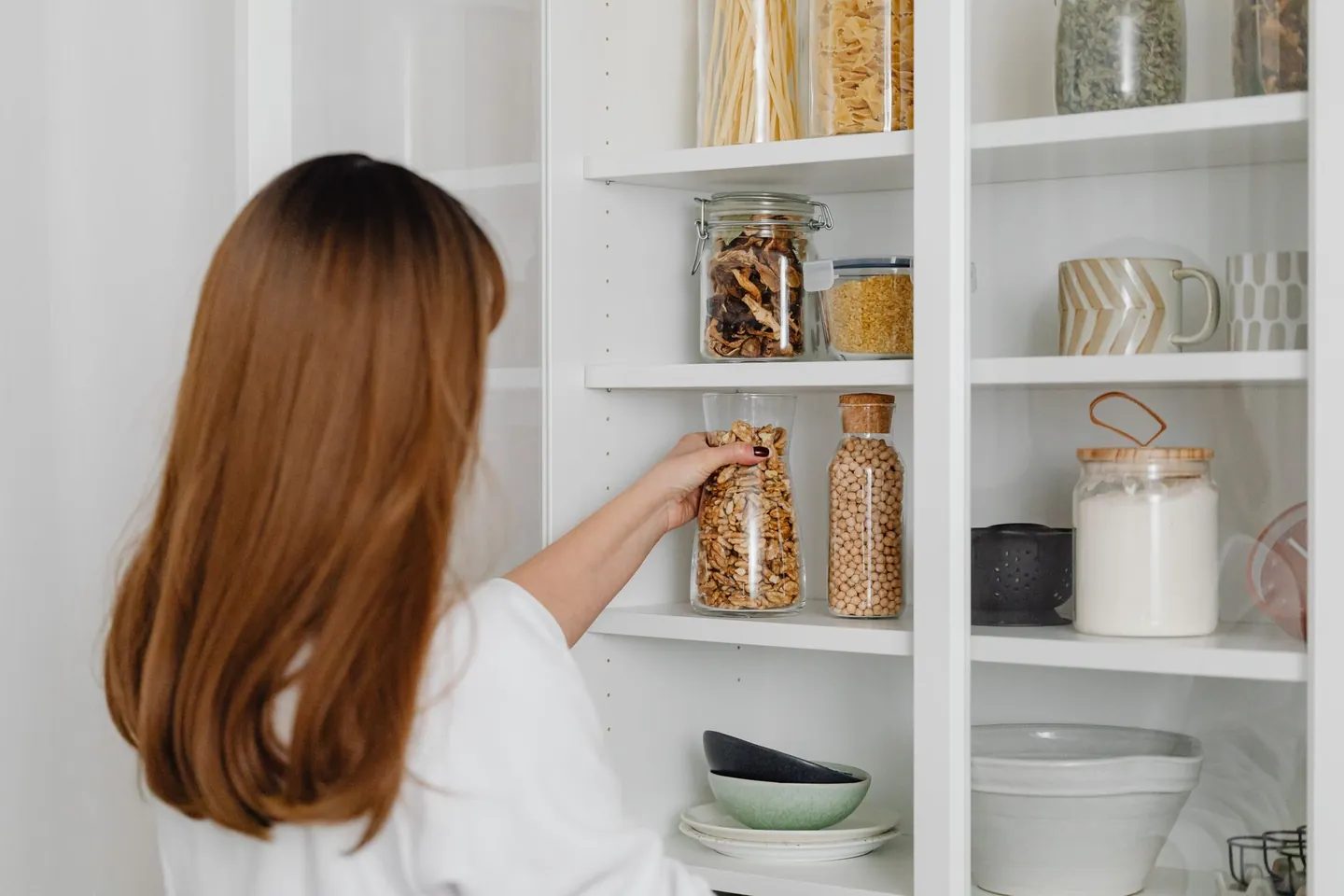
Innovative Pantry Organization Tips for Maximum Efficiency
Shopping links: These links open Amazon search results. They are optional browsing suggestions, not verified product reviews or price/availability checks.
Organize one pantry shelf without losing food information
Pantry organization should help you find suitable food and keep its storage instructions available. It does not require matching jars or emptying every cupboard. Choose a shelf you can finish and leave the kitchen usable. This guide does not promise savings or certify a food item as safe. Check current food-safety guidance, the product label and any recall information that applies, especially when deciding what to keep, move or discard.
Read dates and package condition separately
Do not apply a universal rule that every food past a printed date belongs in the trash. USDA explains that many U.S. food dates concern quality rather than safety, with an important exception for infant formula. Other countries and products can have different requirements, so follow the applicable label and guidance. A normal smell or appearance also cannot prove safety. Treat damaged, leaking, bulging or otherwise concerning packages according to current food-safety advice rather than opening or tasting them to check.
Keep labels, allergens and traceability
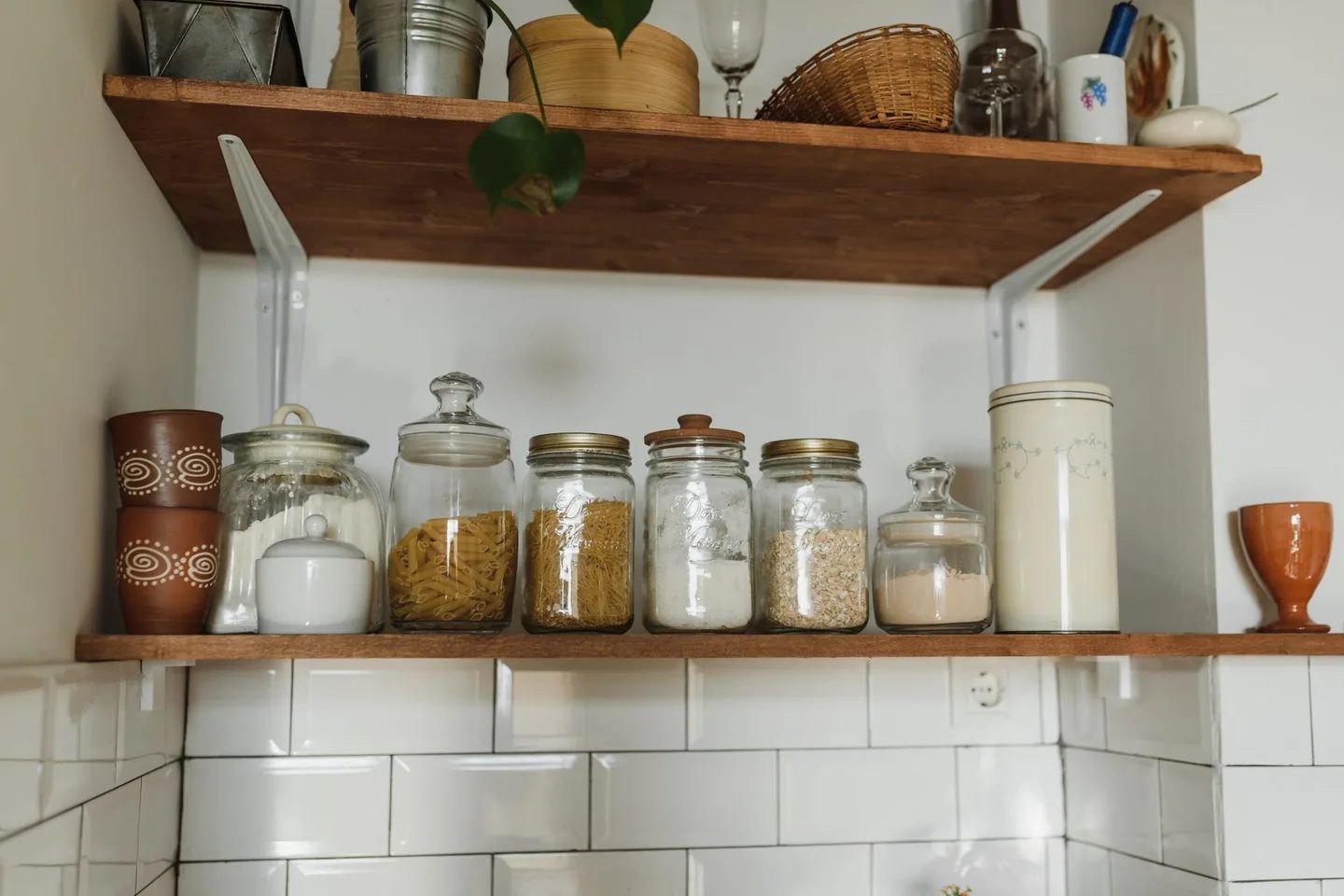
Original packaging is often the simplest storage choice. If a food is suitable for transfer, use an appropriate clean, dry food-storage container and retain the product name, ingredients, allergen details, date, lot and storage instructions. Do not top up an old container with a new batch or combine nearly empty packages just to save space. Different products can have different allergens and preparation requirements. A neat handwritten label is not a substitute for information needed to use the food appropriately or respond to a recall.
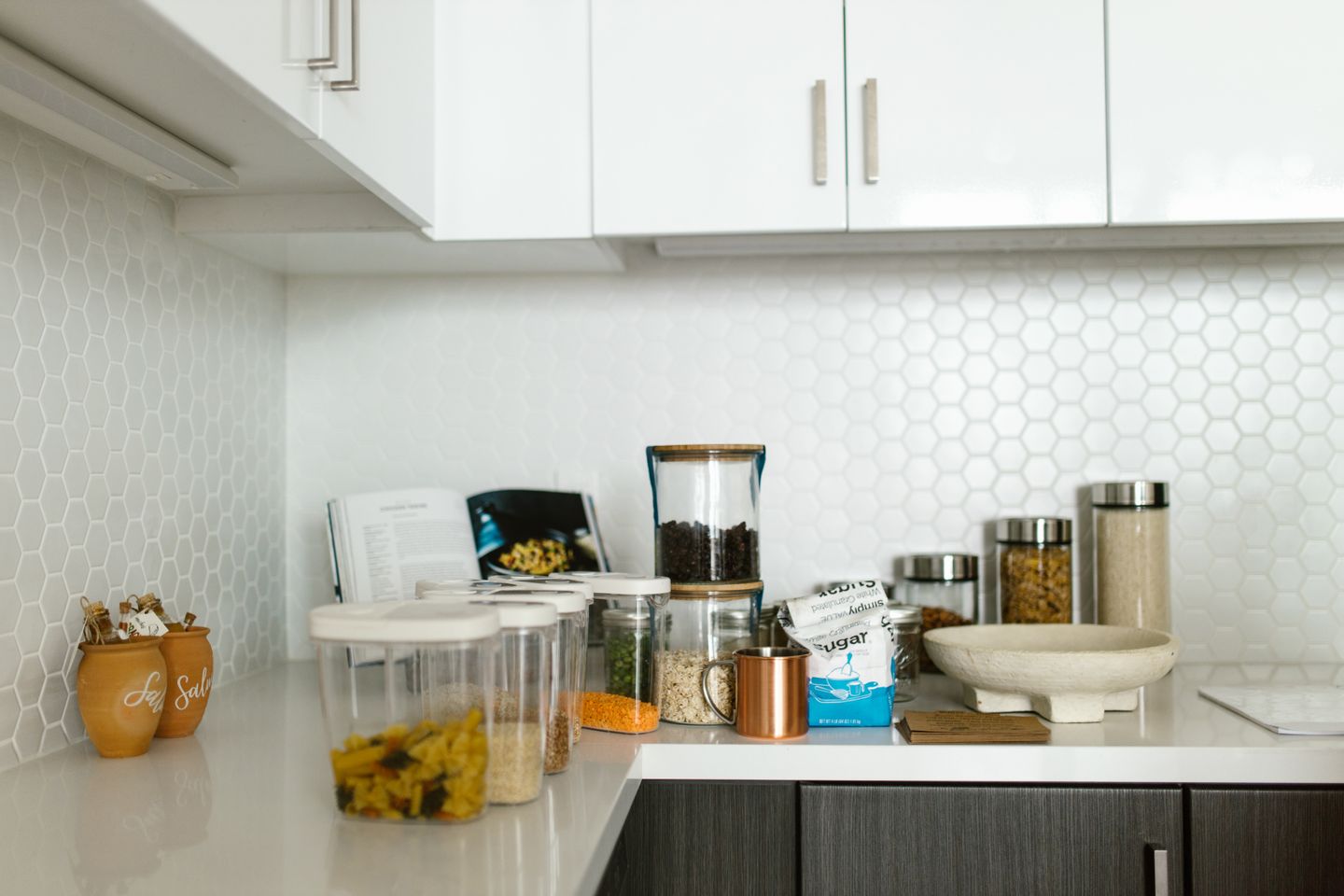
Choose the storage environment before the organizer
Follow the food’s storage directions, including refrigeration after opening where required. USDA advises cool, dry storage for shelf-stable foods and warns against temperature and moisture extremes. Do not send bulk purchases to a garage, basement or spare closet without checking the actual conditions and suitability. Keep food separate from chemicals and other contaminants. A sealed bin cannot correct dampness, pests or an unsuitable temperature. Resolve those problems rather than concealing them behind another container.
Group suitable items where they can be reached
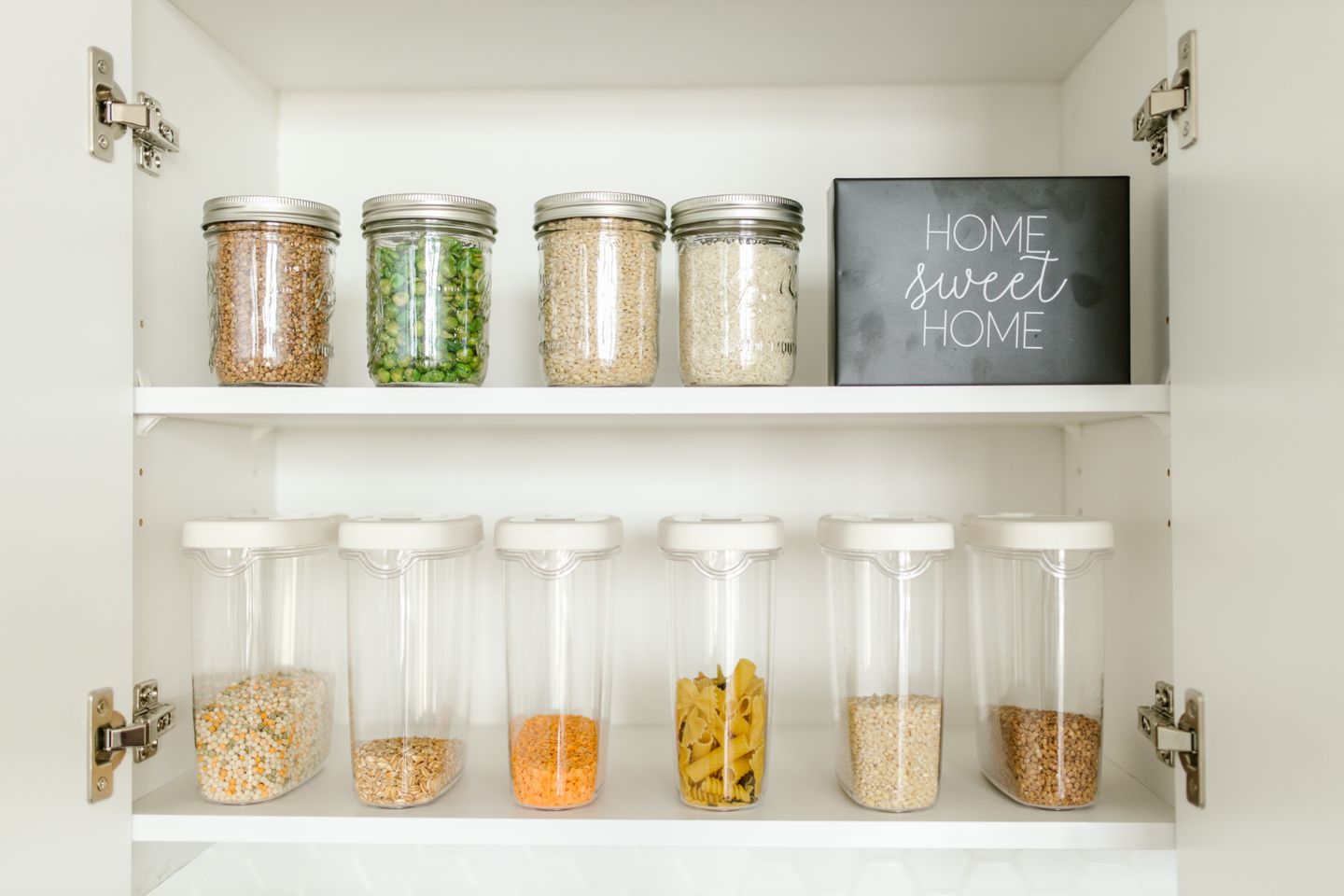
Try practical groups such as breakfast foods, baking supplies or meal ingredients, while preserving any necessary separation for allergies and household needs. Keep heavy items low and avoid precarious can stacks or breakable jars overhead. A turntable must fit the opening, complete load and shelf, with enough room to turn and remove items. Shelf risers, under-shelf baskets and stackable bins need compatible dimensions and loading instructions. Do not create an improvised tower simply because there is empty height.
Plan children's access with the responsible adult
A low snack shelf is not appropriate for every child or every food. The responsible adult should choose age-appropriate foods, preparation, portions, supervision and allergy controls. Keep choking hazards, sharp tools, plastic bags, batteries and other hazards secure; height alone is not secure storage if a child can climb. Do not frame self-service as a way to remove necessary supervision. Use readable words or suitable picture labels without making the child responsible for adult food-safety decisions.
Rotate suitable stock without hiding exceptions
Make older suitable stock easier to see when its label and condition allow use, and keep newer stock behind it where practical. Do not treat first-in-first-out as permission to use recalled or unsafe food. Keep a short list of quantities that need replacing instead of buying bulk because a bin looks empty. A use-soon group can help only if storage conditions remain correct and everyone understands the labels. Review uncertain food using current guidance rather than guessing from age alone.
Check doors, carts and lighting before adding them
An over-door organizer must suit the door and full load without interfering with closure. A rolling cart needs stable loading and a clear route, with children kept away from tipping or climbing hazards. Follow any furniture anchoring requirements. Pantry lighting must be intended for the location and installed with the maker’s clearances and electrical guidance. Secure spare batteries from children. Do not add a loose light or power cord simply because an organizer makes the shelf harder to see.
Finish with access and a manageable review
Clean the chosen shelf with a compatible method, following product instructions and keeping food protected. Return suitable packages with information visible, remove supplies and check that doors close and nothing can fall when a container is moved. Choose a review point that suits actual household use rather than a universal monthly disposal routine. The retained divider and turntable links are optional Amazon category searches, not tested products or proof of fit. Keep the arrangement only if the intended users can find and return what they need.
Retained links and sources
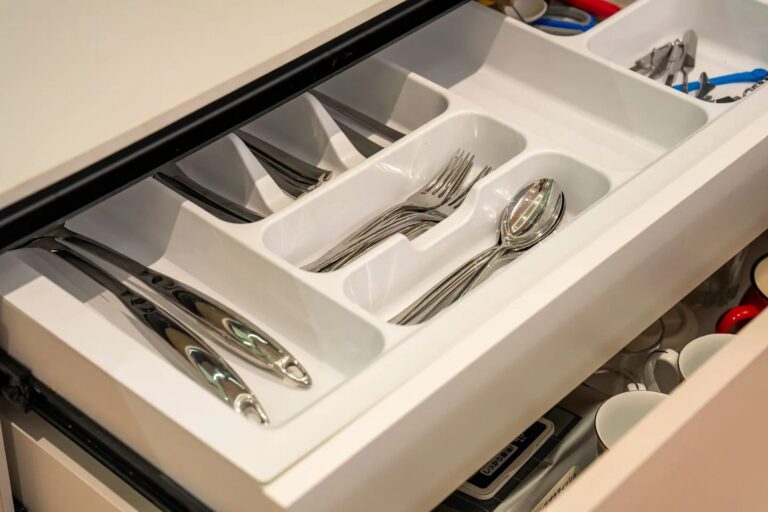
- Optional Amazon category search: Drawer divider search
- Optional Amazon category search: Kitchen turntable search
- Kitchen Organization Ideas to Maximize Space
- Simple Pantry Organization Hacks for Small Spaces
- Best Small Kitchen Storage Solutions You Need
- CPSC: secure storage and furniture anchoring
- USDA FSIS: food product dating
- USDA FSIS: shelf-stable food safety