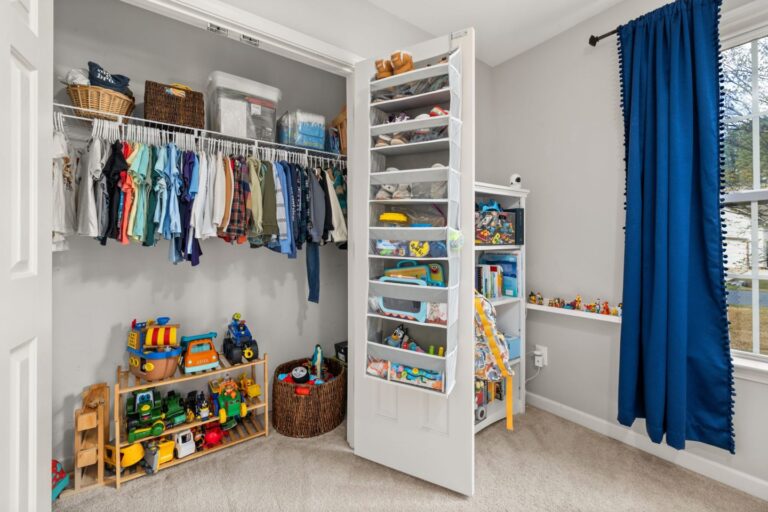
Step-by-Step Kids Bathroom Organization Guide
Shopping links: These links open Amazon search results. They are optional browsing suggestions, not verified product reviews or price/availability checks.
Separate everyday access from adult-only storage
A kids’ bathroom needs a clear distinction between items children can use with age-appropriate help and items adults must secure. This guide is an organization checklist, not a claim that tidy rooms treat anxiety or improve focus. Start by reviewing the child’s age, abilities and supervision needs rather than making every bottle easy to reach.
1. Sort with an adult present
Gather one drawer’s contents at a time and keep the sorting pile out of children’s reach. Identify medicines, cleaners, razors, electrical tools and small items before choosing containers. Follow product dates and disposal instructions rather than discarding everything unused for three months. Ask a pharmacist about medicine disposal where needed; do not empty unknown products into a drain.
2. Lock away medicines and cleaning products
CPSC recommends locked storage out of children’s reach, even for products with child-resistant packaging. Keep products in their original labeled containers. Do not leave wipes or sprays accessible because they are described as gentle or child-safe. A high shelf or a decorative bin alone is not the same as locked storage. Reengage locks after every use.

3. Give permitted personal items a clear home
Set aside a suitable location for each child’s towel, brush and other permitted supplies, following product instructions and the supervision they need. Keep toothbrushes and personal items separated appropriately. Do not transfer mouthwash, medicines or toiletries into food-like jars. Glass containers and loose cotton swabs, hair ties or small accessories are not a default accessible storage choice for young children.
4. Keep bathing supplies ready before bathing
Gather what the caregiver needs first. Organization never replaces supervision: CPSC advises constant supervision and staying within reach when a baby is bathing. Do not leave to fetch a towel or toy. Keep electrical appliances away from water and follow their instructions. Choose and use any stool or bath accessory according to its intended age, placement and load limits; storage convenience does not establish its safety.
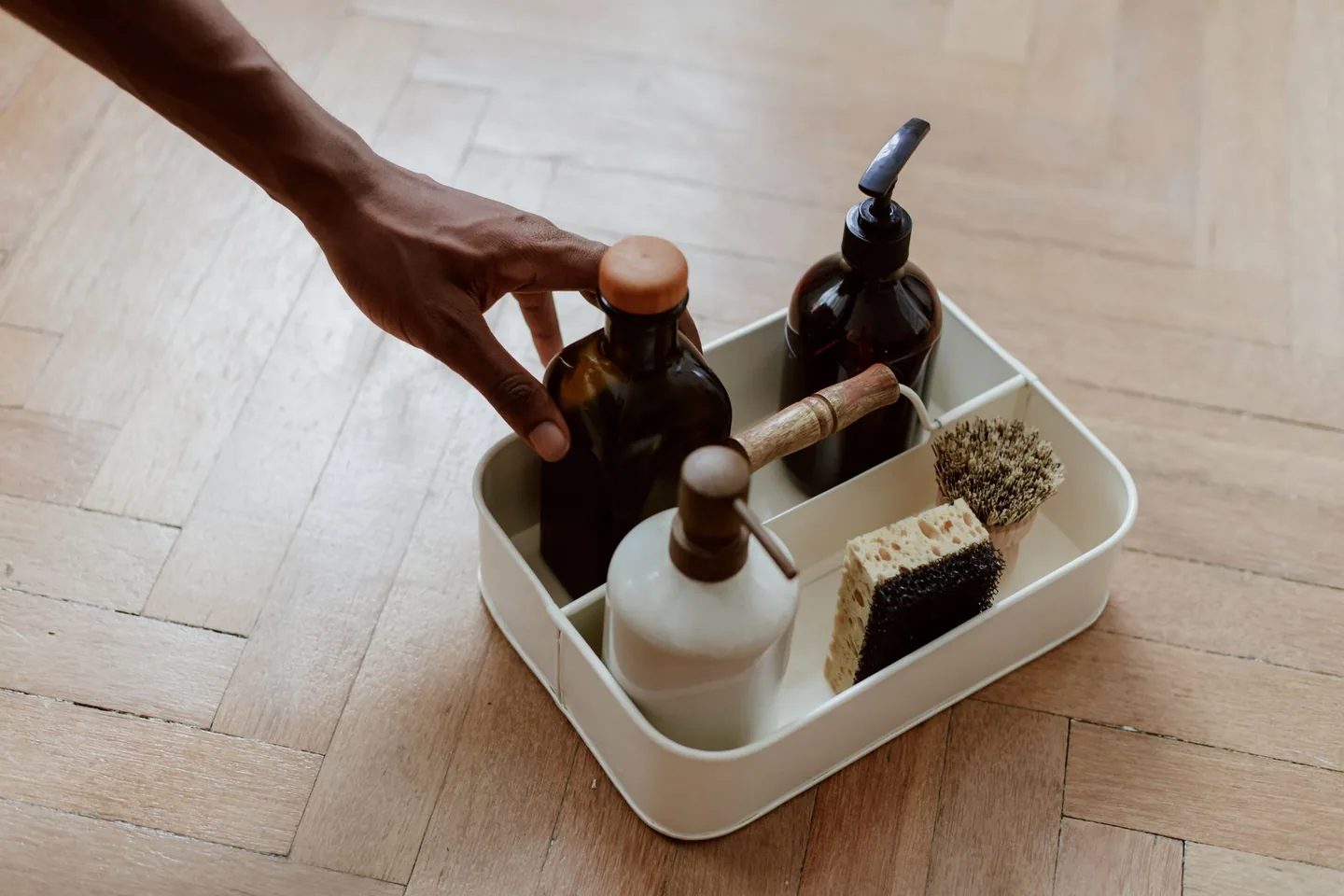
5. Store bath toys according to their care instructions
Keep only suitable, intact toys in use. Follow the maker’s cleaning, drying and replacement advice rather than claiming that a weekly rotation disinfects them. Store backup toys separately if useful. Do not make a suction basket or hanging organizer carry more than its supported load, and check that it cannot fall into a hazardous position.
6. Make the towel return simple
Use a suitably installed hook or rail that the child can use without climbing. Keep wet towels off walking routes and follow their laundering instructions. Put laundry in an appropriate location without blocking the door. A picture label can show where a towel belongs, but it is not a promise that children will maintain the system without help.
7. Let children help without giving them chemicals
Children can return permitted personal items or put laundry away with suitable supervision. Adults should control access to cleaning products and follow each label, including ventilation and contact time where relevant. Never mix products. The retained photos and Amazon category searches are illustrations and optional browsing, not tested bathroom equipment or evidence that this room is childproof.