10 Fun Kids Room Organization Ideas You Need to Try
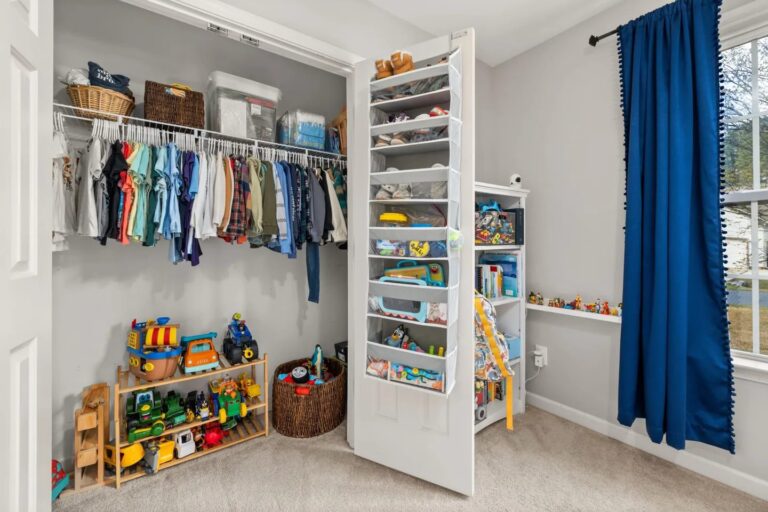
These ten kids’ room organization ideas are options to try one at a time, not a requirement to buy ten products or redesign the whole room. Choose a problem your child recognizes, keep the setup suited to their age and abilities, and practice using it together. No storage system can promise a permanently mess-free room.
Disclosure: These links open Amazon search results. They are optional browsing suggestions, not verified product reviews or price/availability checks.
1. Use picture labels on simple bins

Group belongings into categories the child understands. A drawing of cars or a photograph of blocks can be clearer than a detailed written inventory. Colors can help distinguish bins, but should not be the only cue if someone finds them hard to tell apart.
Leave enough space for easy returns. A bin that needs careful packing is likely to overflow during ordinary play.
2. Give bags and jackets reachable homes
A suitable low hook or an open basket can keep daily belongings together. Check that the child can use it without climbing and follow fitting instructions for the surface and expected load.
Use a few clear destinations rather than a whole wall of competing labels. Keep straps and loose cords out of sleeping and walking areas.
3. Use under-bed space selectively
Measure the opening, floor clearance, and space needed to pull a container out. Lightweight boxes can suit spare bedding or occasional-use games if the bed design allows it.
Do not fill a space that needs to remain open for the bed’s operation or ventilation. Avoid storing things there if reaching them makes cleanup harder.
4. Try a small toy rotation
Keep a manageable selection available and store other suitable toys in a labeled location. Let the child help choose what stays out and what comes back.
There is no required rotation schedule. Keep favorites accessible, and abandon the arrangement if moving boxes creates more work than it solves.
5. Contain art materials in a tray
A washable tray or lightweight caddy can hold the supplies for one activity. Use age-appropriate materials and keep sharp tools or adult-use supplies under suitable adult control.
A drawing pad is a simpler starting point than repainting a wall. If you do choose a permanent art surface, follow the product’s preparation, ventilation, and use instructions.
6. Make a small book spot

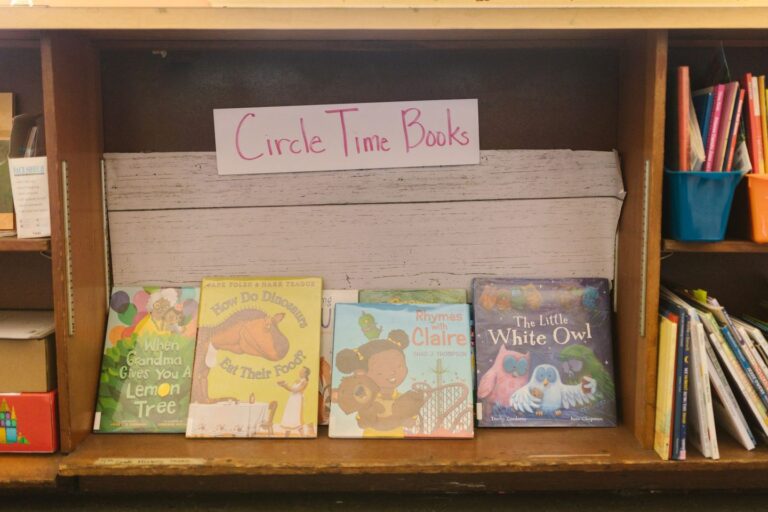
Place a few current books near a comfortable reading place. A low, stable shelf or easy-to-lift basket may be enough. Keep a separate pocket or basket for borrowed books.
A book spot does not need decorative lights, cushions, or a new chair. Choose comfort and safe placement before styling.
7. Use shelves without encouraging climbing
Reserve reachable storage for daily belongings and higher storage for items an adult will retrieve. Follow installation and furniture-restraint instructions, including the requirements for your wall type.
Keep heavier items low and do not turn a wobbly shelf into a display by merely painting it. Repair or replace unsafe furniture before putting it into use.
8. Limit the artwork display
A designated board or small display area gives current work a home. Invite the child to choose what stays up and move older favorites to a folder when the space is full.
Photographs are an optional way to record some pieces, not a reason to discard a child’s valued original without discussion.
9. Prepare tomorrow’s clothes
A low drawer section or small basket can hold the next outfit. Check the weather, school requirements, and child’s preferences together rather than organizing clothes around appearance alone.
Review fit when seasons change. Keep outgrown clothing separate from everyday choices while deciding whether to pass it on.
10. End with a brief sorting game
Try finding everything that belongs in one bin or returning books together for a short, agreed period. Keep the activity cooperative rather than turning speed into pressure.
When a category repeatedly lands on the floor, adjust the storage. A simpler lid, smaller selection, or better location can help more than another reminder. Start with one idea and keep only the changes that work for your household.
Amazon category searches
Optional browsing links. Check the specific listing, dimensions, materials, instructions, and current terms before buying.