Must-Have Products for Kids Bathroom Organization
Kids’ bathroom organization should make safe everyday tasks easier while keeping medicines, cleaning chemicals, sharp tools, and other hazards inaccessible. Products are optional and must suit the child’s age, the room, and the way an adult supervises it. This guide compares organizer types without claiming they were tested or that any purchase guarantees independent habits or fewer arguments.
Disclosure: These links open Amazon search results. They are optional browsing suggestions, not verified product reviews or price/availability checks.
Decide what children should reach

Separate safe daily items from products that need adult control. Toothbrushes, a suitable towel, or an age-appropriate comb may need accessible homes; medicines, cleaners, razors, small magnets, and electrical items do not belong in an open low organizer.
Consider the child’s abilities and household rules rather than a single ‘kid-friendly’ layout. Bathroom storage does not replace supervision, particularly around bathing, water, climbing, and hot surfaces.
Compare door organizers against real clearance
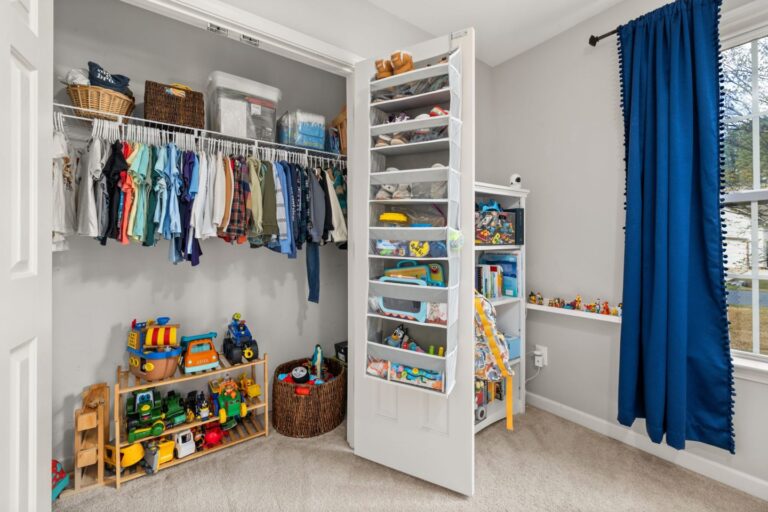
An over-door rack may hold a few suitable dry items if the door thickness, hook size, and load rating fit. Check that the door closes and opens freely and that pockets do not strike shelves or fixtures.
Choose a washable material that tolerates the environment. Do not put wet items into closed pockets that cannot dry. Keep toothbrushes stored according to oral-care guidance and avoid crowded, damp pockets where brush heads touch other items.
Use personal bins with words as well as colors
A small bin for each child may keep suitable hair accessories or daily supplies together. Assign colors only if useful and add a name or clear label so the system does not depend on color recognition.
Measure the shelf first and keep the load manageable. Avoid glass, sharp edges, or small detachable parts where they are unsuitable for the child’s age. Do not assume the bin itself makes the contents safe to access.
Store bath toys so they can dry
A purpose-made draining caddy or mesh organizer may help if it is installed securely and maintained according to instructions. Check suction cups, hooks, and the rated load; a wet wall attachment is not a permanent guarantee against falling.
Clean and dry toys according to their care guidance and discard damaged or unsuitable pieces. Do not assume a mesh bag prevents internal mold in every toy. Keep the collection small enough to clean and avoid cords or loops that create a hazard.
Choose a step stool carefully

A step stool may help a child reach the sink when it is designed for that use and appropriate to the child. Check its load rating, base, standing surface, stability, and placement on the actual floor. Keep it out of a wet or slippery position.
Do not prioritize light weight over stability or assume every child can move and use it safely alone. Follow the manufacturer’s age, use, and supervision directions. Store it so it does not create a trip hazard or give unsupervised access to dangerous storage.
Keep shared items simple
A small tray or turntable can group permitted shared supplies if it sits securely and does not crowd the sink. Check the footprint and whether bottles remain upright when it moves. A fixed tray may be simpler than a spinning organizer for younger children.
Use plain labels such as ‘towels’ or ‘hairbrushes’ and test a few broad categories before labeling every space. Match the layout to how people use it rather than assuming the organizer will resolve household disputes.
Create a towel routine
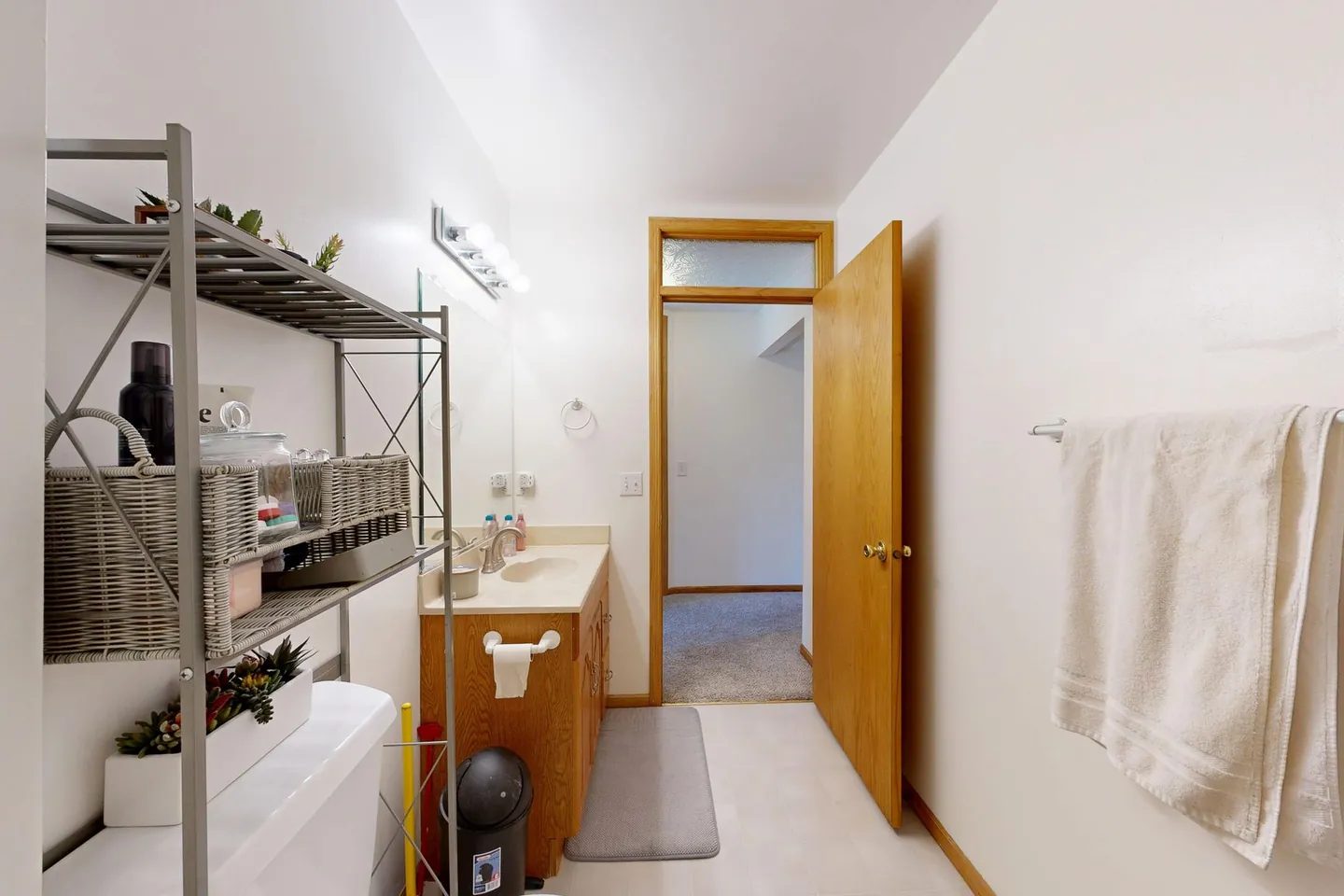
Provide reachable hooks or rails that are securely mounted for their load. A distinctive towel can help identify ownership, but keep washing and replacement based on hygiene, condition, and care instructions rather than a promise of less laundry.
Leave enough space for towels to dry rather than bunching several onto one hook. Keep clean backups in a dry place. Ask children for practical input on labels and accessible positions without letting decoration override safety.
Use vertical space without adding hazards
Mount shelves and hooks according to the wall material, fixings, and load instructions. Avoid placing heavy items above a bath or child-accessible area. Do not use exposed magnetic strips to display sharp clippers or tweezers where children can reach them.
The existing product searches below include toy bins, a bookshelf, and a family command center. They are broad categories, not verified bathroom products. Many belong in a dry room outside the bathroom. Buy only if the material, dimensions, mounting, and intended use suit a defined need.
Amazon category searches
Optional browsing links. Check the specific listing, dimensions, materials, instructions, and current terms before buying.