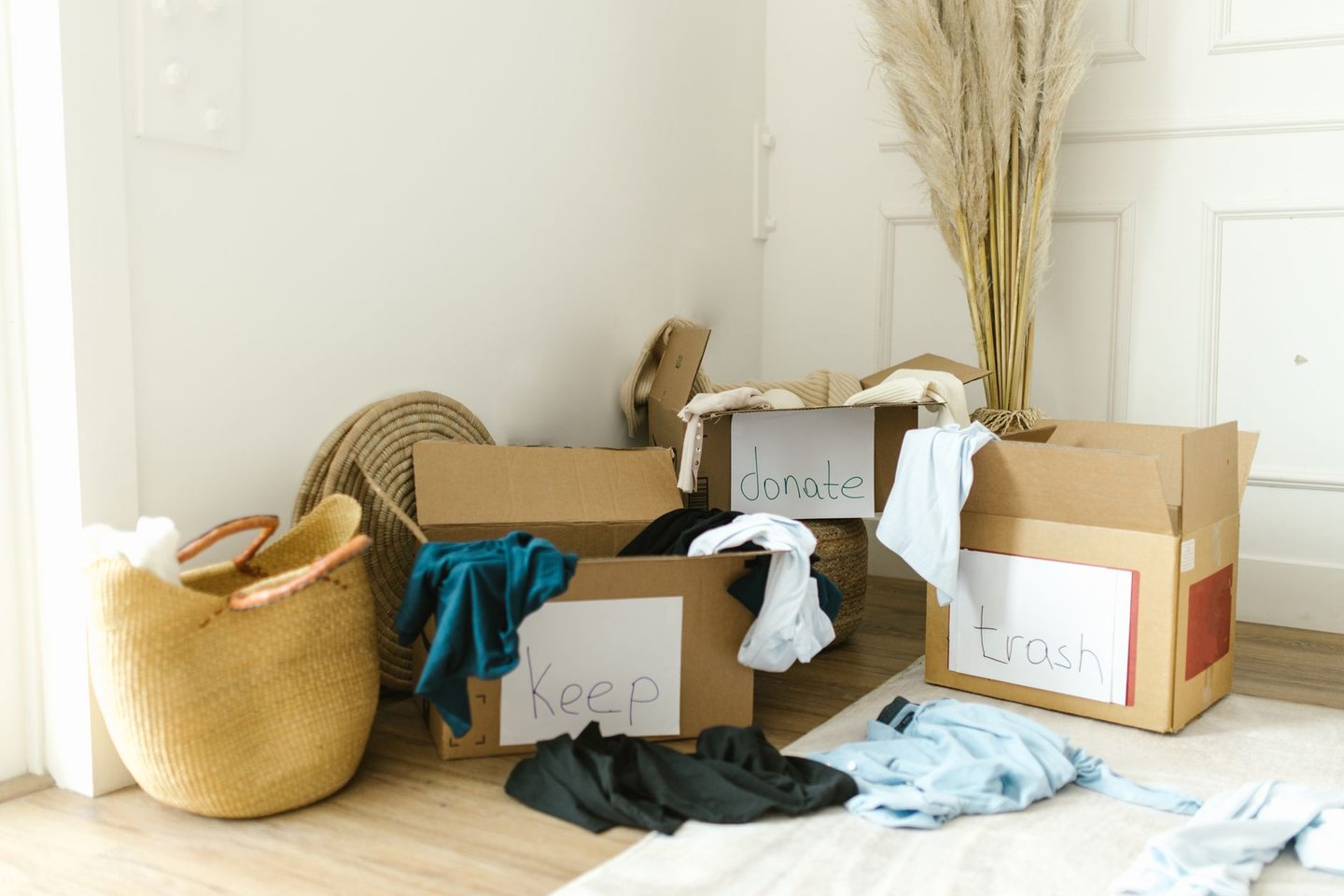
10 Things to Throw Away Today for a Clutter-Free Home
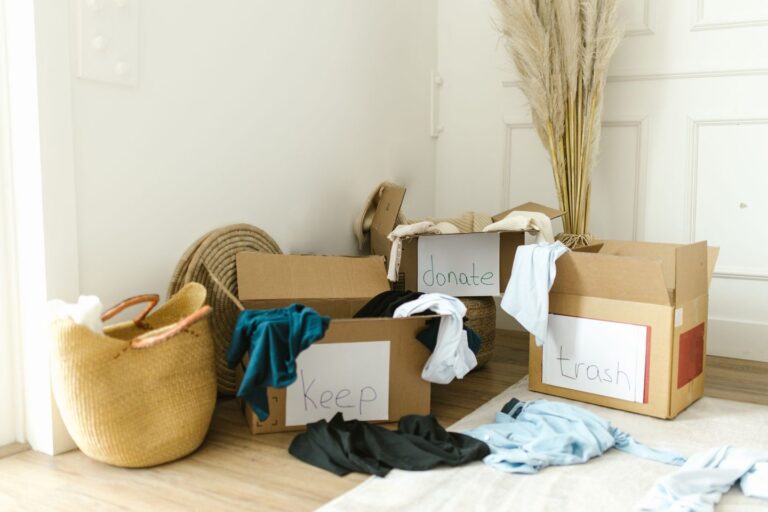
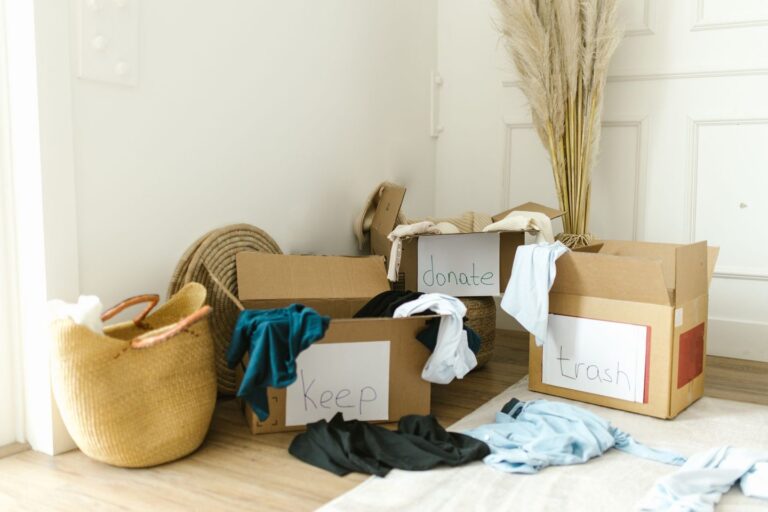
These ten categories are places to make decisions, not instructions to put everything in the trash. Keep what is useful or meaningful, donate only usable items that are accepted, recycle through the right route, and dispose of hazardous materials safely. Start with one small area and avoid making rushed decisions about important records, shared belongings, or sentimental items.
Disclosure: These links open Amazon search results. They are optional browsing suggestions, not verified product reviews or price/availability checks.
1. Pantry food that cannot be used safely
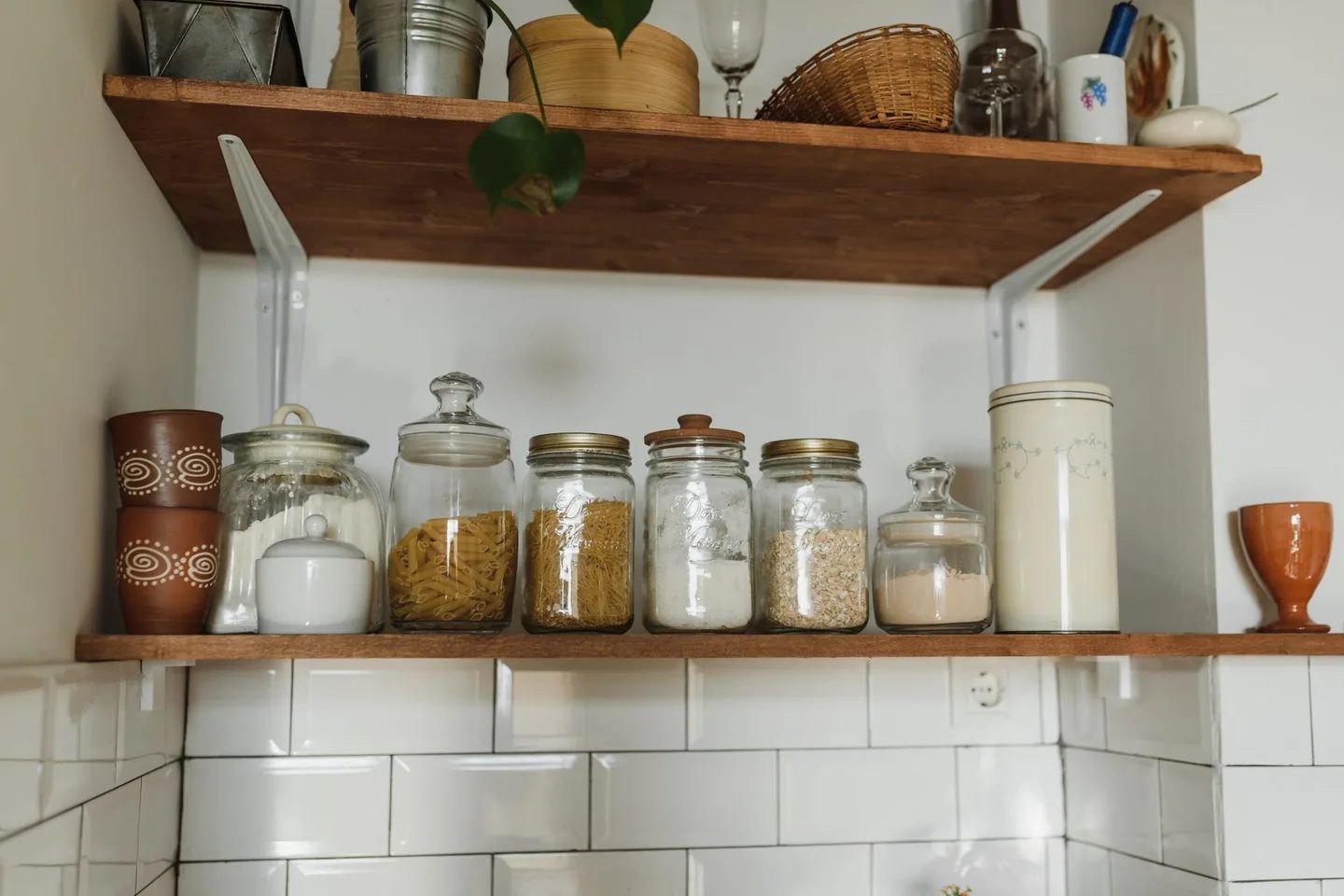
Check package condition, storage history, product directions, and the meaning of date labels. A printed date is not always an automatic safety deadline. Remove spoiled food, damaged packaging that makes the food unsafe, and food whose history cannot be established.
Group suitable food you intend to use and avoid buying duplicates. Donate only items accepted by the food bank or recipient. Do not pass on questionable food just to avoid throwing it away.
2. Clothing that no longer serves a purpose
Try on uncertain pieces if that helps, then consider fit, comfort, climate, work, and occasional needs. A year without use is a question to ask, not a universal disposal rule. Seasonal, medical, ceremonial, or special-occasion clothing may still belong.
Separate clean wearable donations from damaged textiles and check local textile-recycling options. Do not donate unusable garments without confirming the recipient accepts them.
3. Unnecessary duplicates
Put similar tools together and decide how many your household actually uses. Several measuring cups or scissors may be useful in a busy home; a second broken pizza cutter may not be. Keep reliable pieces and remove duplicates that add no practical value.
Handle chipped, sharp, or broken items safely. Donate only sound equipment and avoid passing on something that would create a repair or safety problem for the next person.
4. Unneeded cables and old electronics
Identify a cable before deciding it is useless. Check current equipment, label useful spares, and ask other household members before removing shared accessories. Avoid creating a replacement purchase because a rarely used but necessary cable was discarded.
Use an appropriate electronics or battery collection route rather than ordinary rubbish where local rules require it. Back up needed data and securely erase personal information before transferring a device. Do not donate electronics with accounts or private files still accessible.
5. Papers you are allowed to discard
Remove obvious junk mail, expired coupons, and duplicate instructions you do not need. Keep documents required for tax, legal, insurance, property, medical, or other important purposes according to the rules that apply to you.
Do not use one age cutoff for every record. Ask an appropriate adviser if retention is unclear. Shred sensitive papers that can be discarded and recycle suitable non-sensitive paper through the local system.
6. Unsuitable makeup and toiletries
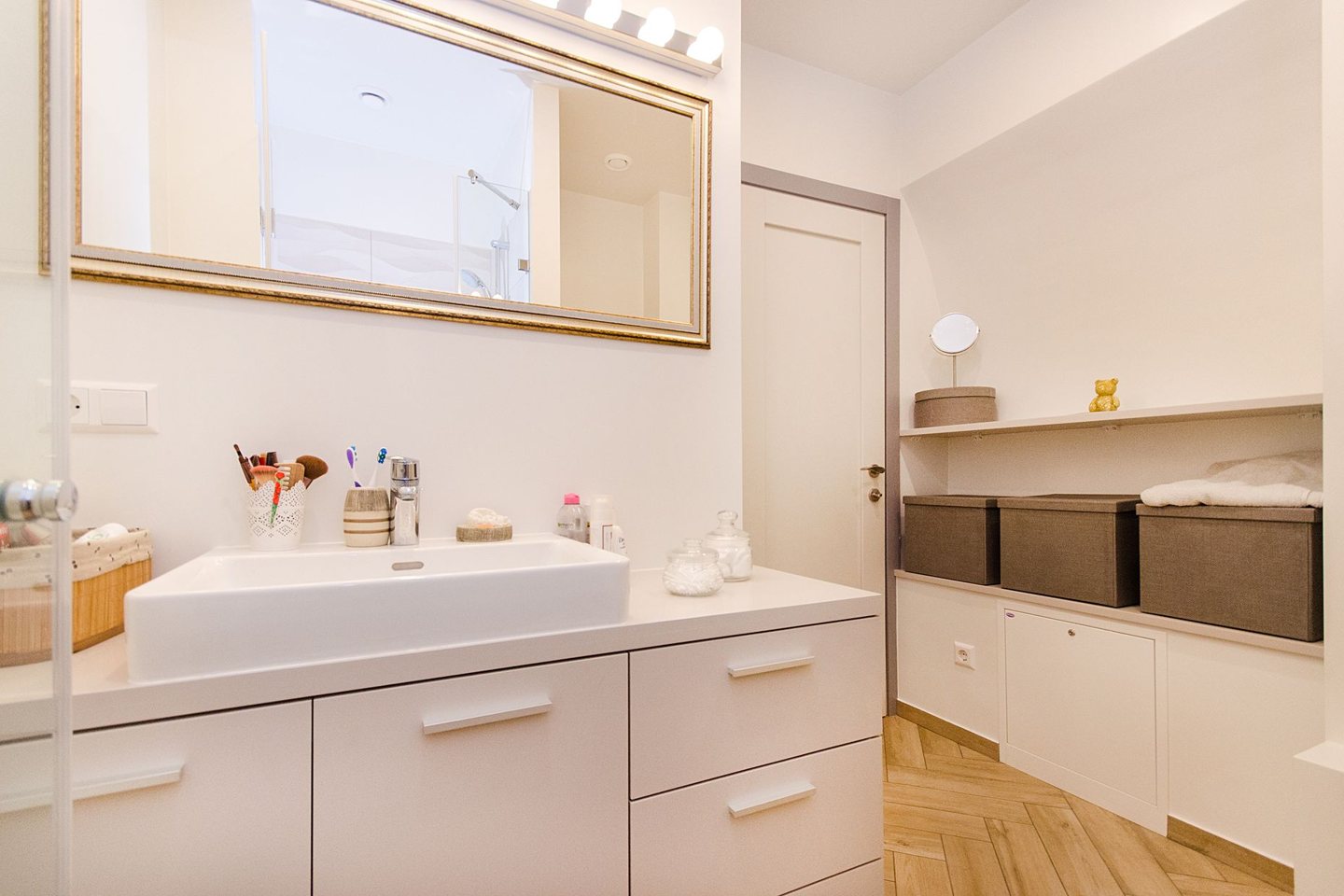
Check the manufacturer’s dates, period-after-opening guidance, package condition, and any visible change. Do not rely on smell alone to decide a cosmetic is suitable. Discard products that are contaminated or no longer appropriate.
Keep medicines separate and use the appropriate return or disposal route. Donate unopened toiletries only where accepted. Avoid giving partially used or questionable personal-care products to someone else.
7. Broken items without a repair plan
Decide whether repair is worthwhile and safe. If it is, assign a realistic next action and a place to keep the item without blocking living space. Electrical or structural repairs may need a qualified person.
If repair is not appropriate, use the correct recycling or disposal route. Do not leave a dangerous lamp, loose blade, or damaged battery in a donation box as someone else’s problem.
8. Unused freebies and miscellaneous drawer items
Test pens, group small tools, and identify what is actually used. A free item does not need a permanent home simply because it arrived at no cost. Keep useful spares in a defined space rather than an expanding pile.
Check small batteries, magnets, and sharp pieces before inviting children to help. Store hazards securely, and do not turn a sorting task into a loose pile of dangerous small objects.
9. Sentimental items you are ready to release
There is no requirement to discard sentimental belongings because they are rarely used or do not create immediate happiness. Start with easy decisions and leave emotionally difficult pieces for another time. Respect other people’s ownership and attachments.
If you want to let something go, consider offering it to an interested relative, keeping a photograph, or choosing one representative item. A digital copy is optional and should be backed up if it matters.
10. Books and magazines you no longer want
Keep the books you value, including unread ones you genuinely want to own. Review duplicates, outdated material that no longer serves a purpose, and publications kept only by habit. Check a library, charity, or recipient’s acceptance rules before donating.
Finish the session by moving chosen items to the correct destination. Do not buy baskets, new hangers, or a digital frame simply to postpone decisions. The existing searches below are optional categories, not tested recommendations or necessary steps toward a less crowded home.
Amazon category searches
Optional browsing links. Check the specific listing, dimensions, materials, instructions, and current terms before buying.