Winter Preparations: Home Checklist to Stay Safe
Winter home preparation is a mix of ordinary maintenance, emergency planning, and knowing which jobs need a qualified professional. Start before freezing weather, use guidance for your local climate, and keep a written list of repairs and supplies. This checklist cannot guarantee a damage-free winter, but it can help you identify unfinished work before a storm arrives.
Disclosure: These links open Amazon search results. They are optional browsing suggestions, not verified product reviews or price/availability checks.
Check heating before it is urgently needed
Follow the furnace, boiler, heat pump, or other heating system’s service instructions. Arrange qualified inspection and servicing when due, and report unusual noises, smells, or uneven heating. Do not open or repair fuel-burning or electrical components without the right training.
Check whether filters need cleaning or replacement according to the equipment instructions. Keep vents, returns, and required clearances unobstructed. An early operational check is useful, but it does not replace professional servicing or prove that a fuel-burning appliance is safe.
Identify vulnerable plumbing
Find the main water shutoff and make sure household members know its location. Identify pipes in unheated areas and ask a plumber about appropriate insulation or other freeze protection. A foam sleeve may reduce exposure but does not guarantee that a pipe cannot freeze.
Follow local and fixture-specific guidance for outdoor taps, irrigation, and hoses. If a pipe freezes or a leak occurs, use the water utility’s or plumber’s instructions and get help when needed. Do not use an open flame or improvise electrical heating equipment near water.
Inspect roof drainage without unsafe access
Look for obvious damage or blocked drainage from a safe position. Arrange clearing and repair of gutters and downspouts with suitably equipped help where height or access makes it risky. Keep water directed away from the building as the drainage system is designed.
Do not climb onto an icy roof or assume one gutter clean prevents every ice dam. Roof insulation, air leakage, ventilation, and weather can all require specialist assessment. Ask for advice if there are recurring leaks, heavy snow concerns, or damaged roofing.
Seal drafts while preserving needed ventilation
Check weatherstripping and caulking around suitable doors and windows. Replace worn materials with compatible products and follow installation instructions. Keep required ventilation openings and combustion-air supplies clear.
For attic or wall insulation, seek advice appropriate to the building and climate rather than adding material indiscriminately. Moisture, electrical fixtures, vents, and fire clearances matter. A draft assessment can help decide which work is worthwhile without promising a particular energy saving.
Prepare fireplaces and alarms
Have fireplaces, chimneys, and related equipment inspected or cleaned as their guidance requires before use. Keep combustible storage away and use only appropriate fuel. Do not treat smoke entering the room as an ordinary nuisance.
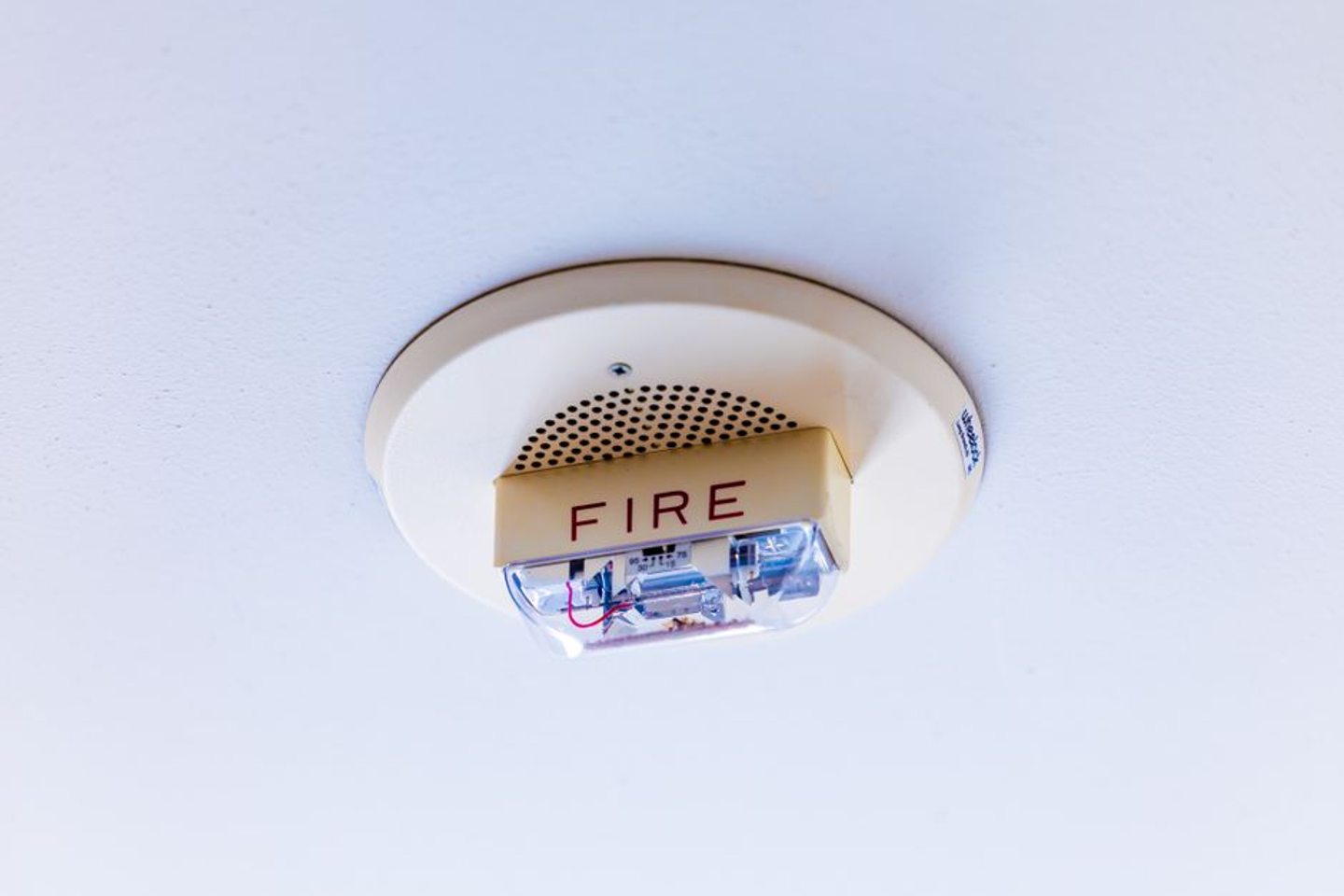
Install and maintain smoke and carbon monoxide alarms according to their instructions and local requirements. Test them as directed and follow each unit’s battery and replacement schedule; not all alarms have the same service life. Treat a sounding carbon monoxide alarm as a potential emergency and follow official emergency guidance rather than assuming it is faulty.
Build a practical outage kit
Gather drinking water, non-perishable food, flashlights, spare batteries, warm layers, blankets, medications, first-aid supplies, and items needed by pets or anyone with access needs. Check what you already have and replace used or out-of-date supplies. Keep important contacts and essential documents accessible.
Prefer battery lighting to open flames. Never heat the home with a gas stove or oven. Generators and grills belong outdoors, with generator placement and operation following official and manufacturer guidance. Ready.gov specifies keeping generators and fuel at least twenty feet from windows, doors, and attached garages.
Review outdoor and household plans
Store or secure outdoor equipment according to its instructions. Choose snow-removal equipment and ice treatment suitable for the climate, surfaces, and household. Avoid overexertion when shoveling and arrange help if needed.
If you have a sump pump, follow its testing and maintenance instructions rather than using a generic test for every installation. Discuss what the household will do during an outage, heating failure, or evacuation notice, including where to get help and how to contact one another.
Keep the shopping list separate from the safety list
The existing seasonal-storage searches below are optional categories for decorations, bedding, or clothing. They are not winter emergency equipment or verified product recommendations. Follow textile care before using vacuum bags, and do not let stored bins block exits, heating equipment, or service access.
For official preparation and storm-safety guidance, see Ready.gov: Winter Weather. Adapt this checklist to local emergency advice and the building’s equipment.
Amazon category searches
Optional browsing links. Check the specific listing, dimensions, materials, instructions, and current terms before buying.