Bathroom Cleaning Tips to Make Your Routine Easier
A bathroom stays manageable with a short routine, the right tools and a few safe habits. This guide covers simple methods for fixtures, glass, toilets and drains, and flags the points where popular home mixes cause trouble.
Disclosure: These links open Amazon search results. They are optional browsing suggestions, not verified product reviews or price/availability checks.
Plan the order of work
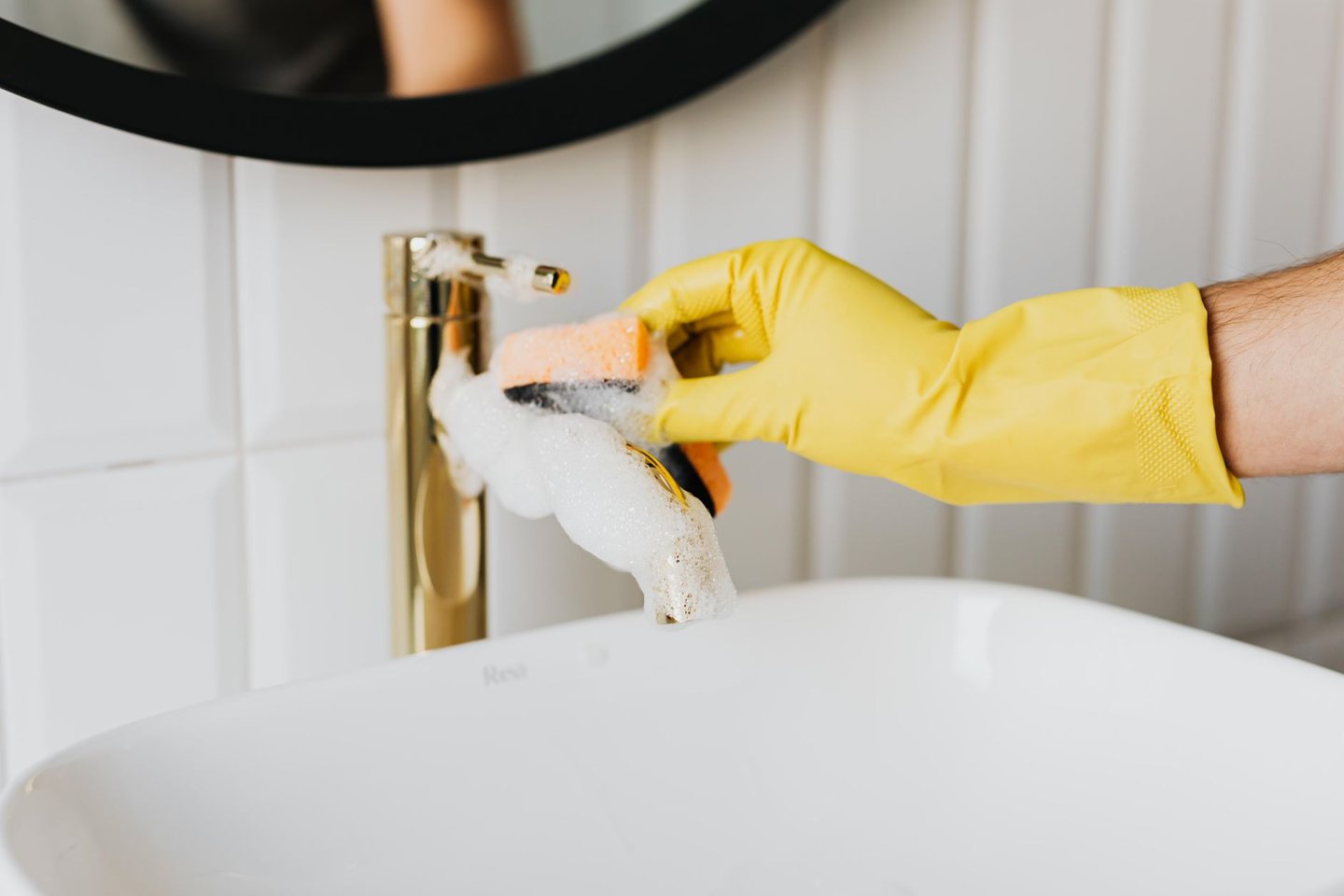
Start with the cleanest areas such as mirrors and finish with the toilet, so you do not carry germs back onto clean surfaces. Keep a caddy of supplies so you are not walking around looking for a cloth. Use separate cloths for the toilet and for other surfaces, and wash them hot afterwards.
Fixtures and water spots
Follow the exact surface or fixture care instructions before choosing an acid, abrasive or household ingredient. A hidden-area test is useful only where the method is permitted; it does not override a warning. If compatibility is unclear, use an approved method or ask the maker rather than experimenting.
Baking soda, vinegar and the fizz
Mixing vinegar and baking soda causes fizz, but bubbling is not evidence of stronger cleaning or disinfection. The remaining mixture depends on the amounts used. Do not combine them as an automatic cleaning boost. Baking soda alone is abrasive and should be used only where the exact surface instructions permit it. Never mix household cleaners.
Shower doors and curtains
Wipe doors with a squeegee after showers, and use a vinegar and water spray only where the door and seals allow it. Many cloth or plastic curtains can go in the washing machine, but check the care label. Use the washer detergent as directed instead of adding extra chemicals to the load.
The toilet
Use a toilet cleaner as the label says, brush under the rim and flush. Never mix toilet cleaner with bleach, vinegar or any other product, because some combinations release hazardous gas. Ventilate the room and wear gloves. A product left overnight is not part of most label directions, so follow the contact time on the bottle.
Drains

Remove only accessible debris using a method the fixture instructions permit, and only when no chemical cleaner or other exposure hazard is present. Do not add hot water, vinegar, baking soda or another treatment to a drain containing an unknown cleaner. Do not reach into standing chemical residue. Ask a plumber about a persistent blockage and tell them what has already been used.
Mirrors, hair and smells
Use a method suitable for the mirror, frame, coating and floor rather than spraying every surface with one cleaner. Find the source of odours, such as damp towels, a leak or a drain problem, and address it. Fragrance does not resolve contamination or moisture damage. Essential oils are optional and may be unsuitable for some people or pets; do not add them to a homemade cleaning mixture.
Prevent soap scum and mould
Reduce moisture, let towels dry fully and arrange repairs for leaks. For an appropriate small hard-surface mold cleanup, EPA describes detergent and water followed by complete drying. Size is only one factor: extensive water damage, contaminated water, hidden growth or health concerns need further assessment. People in CDC’s higher-risk groups should not take part in mold cleanup. EPA cleanup scope; CDC cleanup precautions.
Mistakes to avoid
- Using more product than the label says.
- Mixing cleaners to get a stronger effect.
- Leaving dirty sponges and brushes in use for weeks.
- Using acid on stone or unsealed finishes.
- Skipping the showerhead, which can collect mineral build-up. Check the maker’s cleaning instructions for it.
Questions people ask

How often should a bathroom be cleaned?
Light wipe-downs several times a week and a fuller clean weekly suit most homes. Adjust for how many people use the room.
Is vinegar a disinfectant?
It should not be relied on as one. If you need to disinfect, use a registered product on its label directions.
Is baking soda safe on every surface?
No abrasive is suitable for every finish. Follow the material maker’s care instructions. A hidden-area test does not override an instruction not to use baking soda or another abrasive.
Sources
On not mixing household cleaners, see the CDC chlorine fact sheet. For product directions, always follow the label.
Amazon category searches
Optional browsing links. Check the specific listing, dimensions, materials, instructions, and current terms before buying.