How to Organize Your Bathroom Cabinet Like a Pro
Shopping links: These links open Amazon search results. They are optional browsing suggestions, not verified product reviews or price/availability checks.
Start by deciding what belongs in this cabinet
Bathroom storage needs to suit the product and the room, not simply make everything easy to reach. Medicines, cleaners, sharp tools and small parts need different controls from spare towels. This guide is an organization sequence, not a promise about stress, savings or health. Read each product’s storage instructions before choosing its location.
1. Sort a small section safely
Keep the temporary sorting area away from children and pets. Separate personal items, medicines, cleaning products, sharp tools and uncertain products. Keep labels and original packaging intact. Do not throw away something just because it has not been used for a year; check its purpose, condition, expiry and disposal instructions instead. Ask the owner before removing another person’s belongings.
2. Give medicines an appropriate location
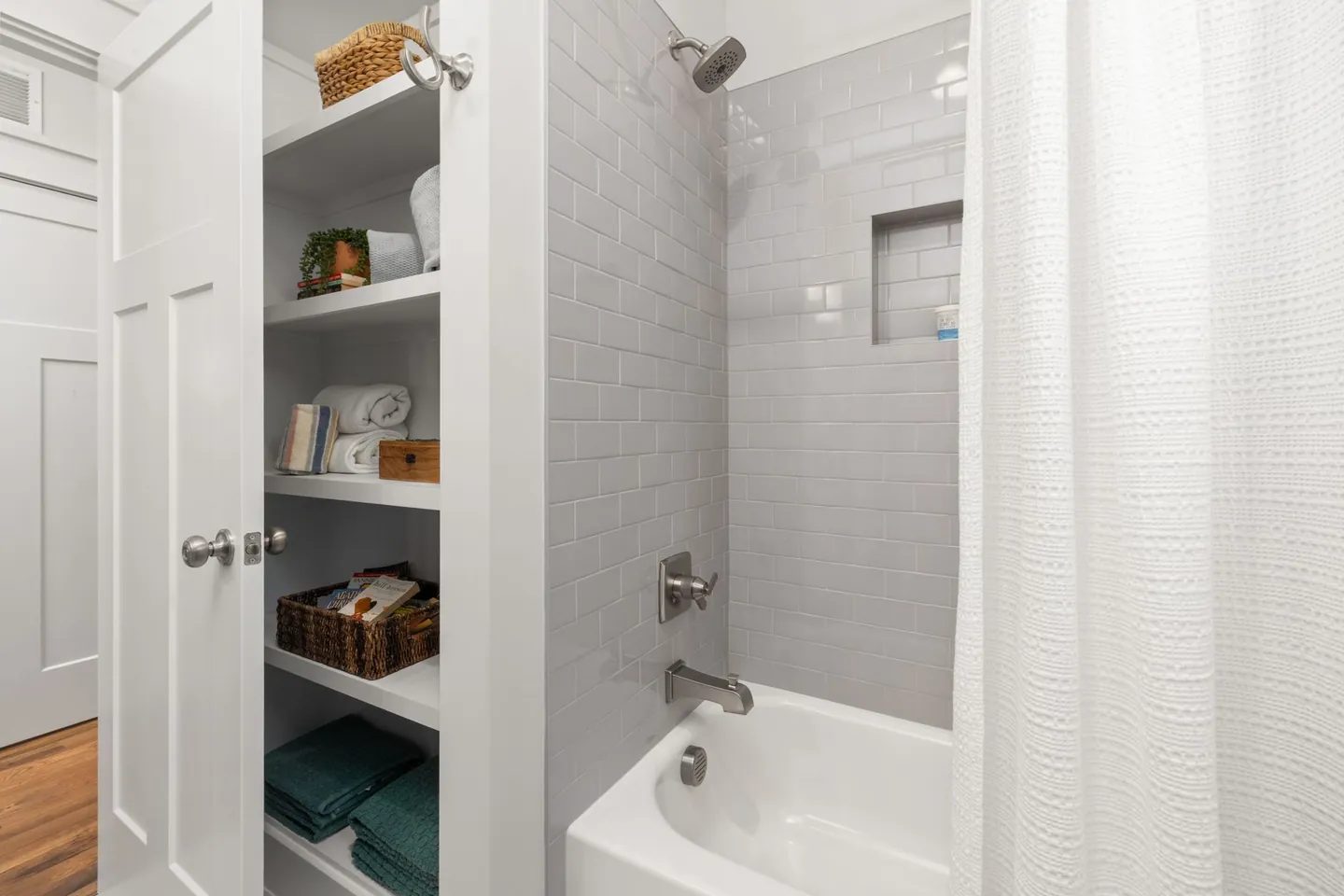
FDA warns that a damp bathroom cabinet can affect medicine quality even before the expiry date. Follow each medicine’s specific storage instructions and ask a pharmacist if the location is uncertain. Keep medicines secure and inaccessible to children or anyone for whom they are not prescribed. A labeled open bin or high shelf alone is not a childproof system.
3. Follow medicine disposal guidance
Do not use expired medicine. FDA identifies take-back locations or prepaid mail-back options as preferred disposal routes in the United States. Follow the medicine’s instructions and applicable local guidance; ask a pharmacist where to take it. Do not turn a general cabinet cleanout into a blanket instruction to throw all medicines into household trash or flush them.
4. Clean the cabinet as its material allows
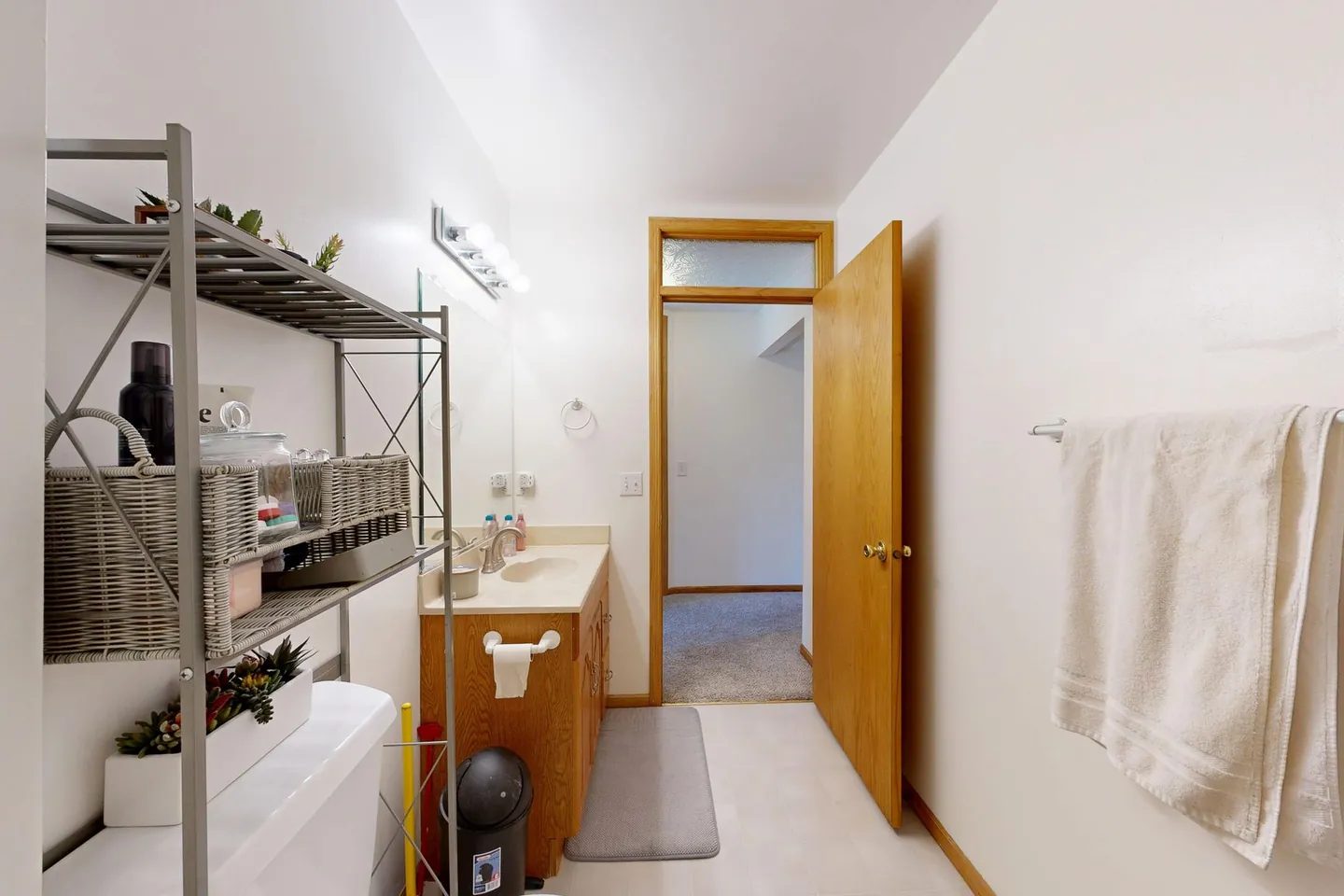
Check the finish and cabinet maker’s instructions before applying a cleaner or removing shelves. Use a compatible product as labeled and keep electrical components dry. Never mix cleaners. Let the surface dry as directed before returning suitable items. A generic all-purpose cleaner is not automatically compatible with every finish, hinge or removable panel.
5. Measure organizers before filling them
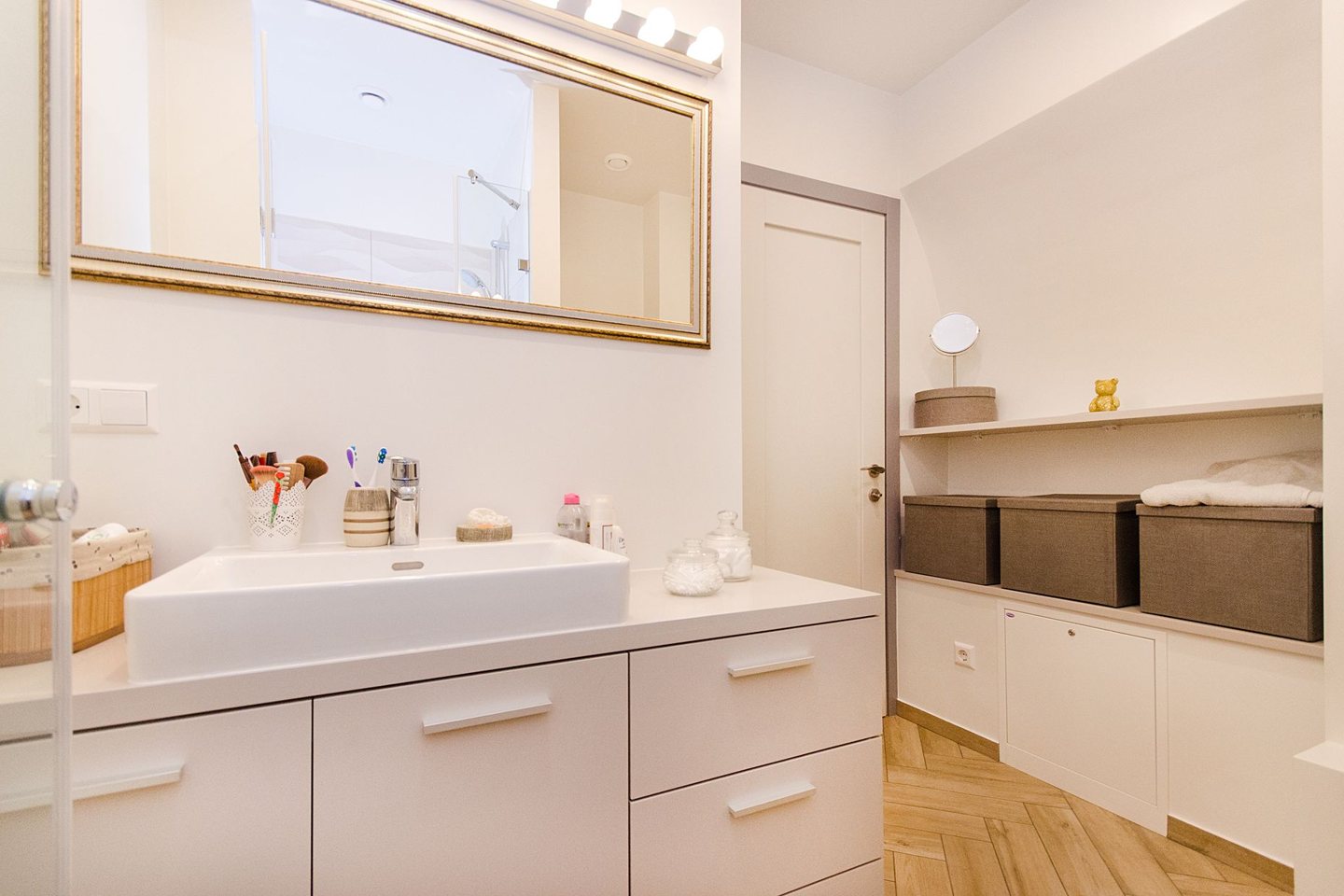
Check the cabinet opening, shelf supports, hinges, load limits and access needs. A bin or rotating tray is optional, not proof of secure storage or spill containment. Keep razors, tweezers, nail tools and loose small items in appropriate secured storage, not on open adhesive-hook displays where children can reach them. Do not stack items where they can fall when the door opens.
6. Keep products in labeled packaging
CPSC recommends locked storage out of children’s reach for medicines and cleaners, even when packaging is child-resistant. Do not decant products into matching jars or food containers. Choose daily-access locations only for items appropriate to the user’s age and supervision needs. Adult convenience should not make hazardous products accessible to a child.
7. Use simple labels and review actual needs
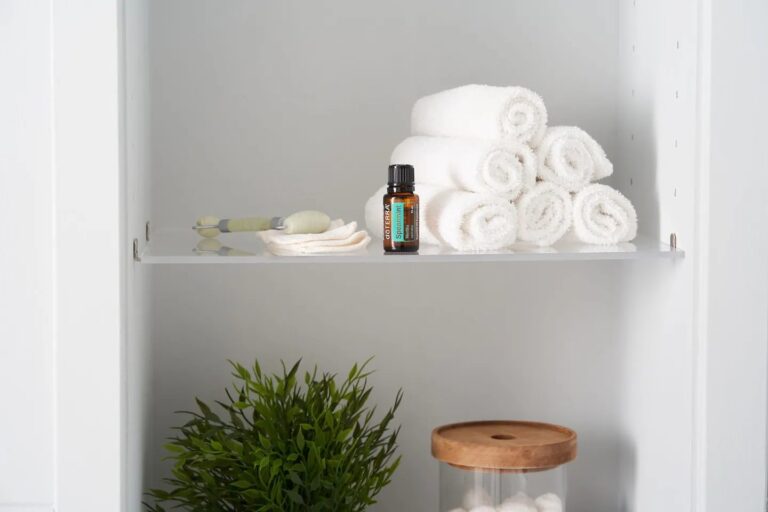
Identify broad categories and agree on locations with others using the cabinet. Check for leaks, damaged packaging, expired products and loose fittings during normal upkeep. There is no universal one-spare or three-month purge rule. Retained photos, related articles and optional category searches are not product tests or rust-proof, no-drilling, guaranteed-fit or medical claims.
Retained links and sources
- Optional Amazon category search: Shower Caddy
- Optional Amazon category search: Over Toilet Storage
- Optional Amazon category search: Cabinet Organizer Bins
- 10 Bathroom Cleaning Hacks Every Mom Needs to Know
- Small Bathroom Storage Ideas to Maximize Space
- Shower Cleaning Tips for a Sparkling Clean Home
- CPSC: childproofing and secure storage
- FDA: medicine storage, expiry and disposal