How to Keep Your Shower Clean with Minimal Effort
Keeping a shower clean is mostly about water and air. If surfaces dry quickly and are wiped before build-up sets, the heavy scrubbing drops. This guide gives a light daily, weekly and monthly rhythm with safe product notes.
Disclosure: These links open Amazon search results. They are optional browsing suggestions, not verified product reviews or price/availability checks.
After every shower

Squeegee the glass and tiles, or wipe them with a towel you will wash anyway. Leave the door or curtain open so air moves, and run the vent fan during the shower and for a while afterwards. These steps cut the damp that mould and soap scum need.
Daily sprays: read the label
Commercial daily shower sprays vary a lot, and some are not meant to be rinsed. Follow the product label, ventilate, and do not combine sprays. A homemade daily spray has no proven benefit and mixing ingredients is not advised, so this guide does not give one.
Weekly: soap scum, grout and hard-water spots
Follow the exact surface or fixture care instructions before choosing an acid, abrasive or household ingredient. A hidden-area test is useful only where the method is permitted; it does not override a warning. If compatibility is unclear, use an approved method or ask the maker rather than experimenting. Follow the compatible cleaner directions, including any protective equipment, contact time, rinse and drying requirements.
Drains
Remove only accessible debris using a method the fixture instructions permit, and only when no chemical cleaner or other exposure hazard is present. Do not add hot water, vinegar, baking soda or another treatment to a drain containing an unknown cleaner. Do not reach into standing chemical residue. Ask a plumber about a persistent blockage and tell them what has already been used.
Monthly: showerhead, liner and fixtures

Check the showerhead maker’s advice on descaling, since some finishes should not meet vinegar. Wash a fabric or plastic liner if the label permits, or replace it when it is worn. Wipe fixtures with mild soapy water and dry with a soft cloth.
Tools that help
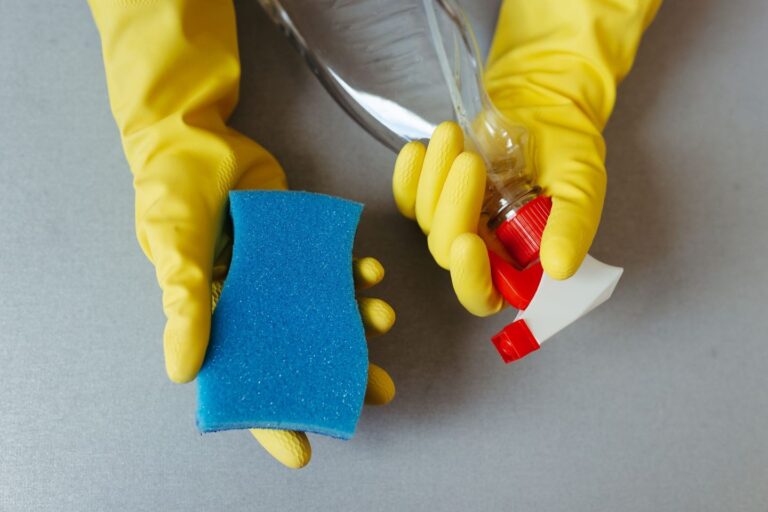
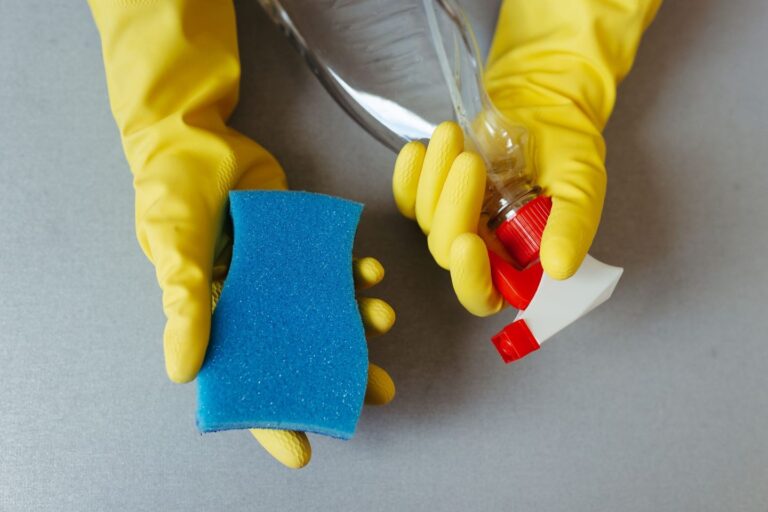
Choose a tool that permits stable access without climbing on fixtures or reaching unsafely. Melamine sponges and other abrasives can damage some finishes. Use them only where the exact surface care guide permits them; a hidden test does not override a restriction. No tool or brand is tested or endorsed here.
Common mistakes
- Skipping ventilation.
- Using the wrong product for the surface.
- Neglecting corners and the base of the door.
- Letting build-up sit for weeks.
- Mixing cleaners, which can release harmful fumes.
Questions people ask

How can mould in a shower be prevented?
Reduce moisture: squeegee, ventilate and fix leaks. EPA says moisture control is the key to mould control.
Is a daily spray needed?
No. Squeegeeing and ventilation do most of the work for many showers.
Can bleach and a shower cleaner be combined?
No. Never mix bleach with other cleaners or add it to residue from another product. Rinsing between unknown products is not a guarantee of compatibility. Follow the specific product and surface instructions and do not apply a new chemical when previous residues are uncertain.
Sources
On not mixing household cleaners, see the CDC chlorine fact sheet. For product directions, always follow the label.
Amazon category searches
Optional browsing links. Check the specific listing, dimensions, materials, instructions, and current terms before buying.