15 Essential Items for Minimalist Living Spaces
There is no universal set of 15 purchases required for minimalist living. The items below are useful categories to review, not a shopping checklist. Keep what already works, adapt the selection to the people in your home, and skip anything you do not need. Simpler living can include color, hobbies, accessibility equipment, and sentimental belongings.
Disclosure: These links open Amazon search results. They are optional browsing suggestions, not verified product reviews or price/availability checks.
1. A comfortable place to sleep

Start with a bed and bedding suited to the person using them. Keep appropriate spares for your laundry routine and climate. Replacing useful bedding to match a new aesthetic is optional, not a minimalist requirement.
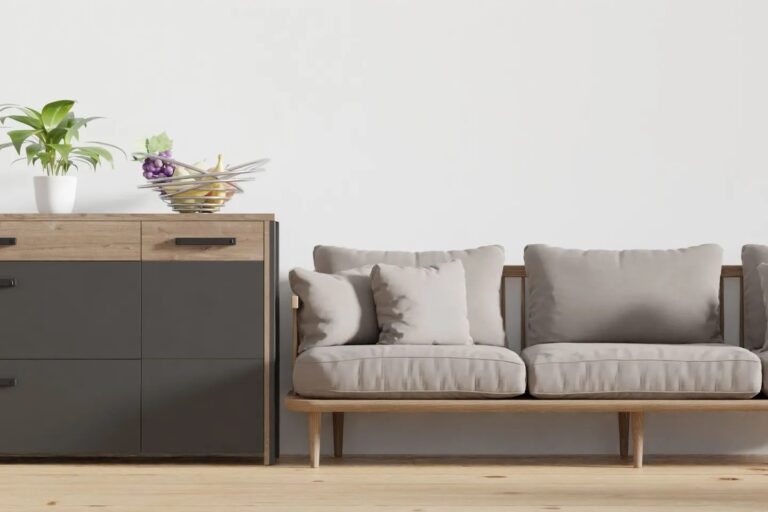
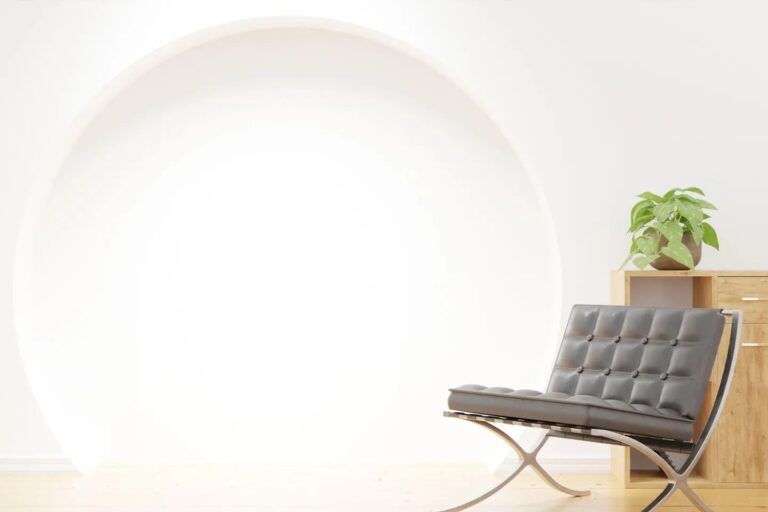
2. Seating that fits the household
Keep enough comfortable seating for ordinary use and realistic hosting needs. Measure movement routes before changing furniture. A smaller piece is not better if it makes daily life less comfortable.
3. A usable work or meal surface
A table may serve several purposes when the tasks are compatible. Leave enough room to use it without moving a collection of unrelated items each time. Keep food and unsuitable work materials separate as needed.
4. Practical lighting
Use lighting suitable for reading, cooking, work, and safe movement. Review glare and access to switches. A decorative lamp is not a replacement for adequate task lighting.
5. Storage matched to actual contents
Sort before buying a basket or cabinet. Choose storage that is reachable, stable, and easy to open. Closed boxes need labels when the contents would otherwise be forgotten.
6. Everyday cooking tools
Keep the tools suited to the meals you actually prepare and the people preparing them. Check condition and safe storage. A single specialized item used regularly can be more useful than a fashionable multipurpose replacement.
7. Enough dishes for real use
Choose quantities based on household size, visitors, and washing arrangements. Existing mixed dishes can work perfectly well. There is no need to replace sound items just to create a matching set.
8. Suitable cleaning supplies

Keep a manageable selection for the surfaces in the home, following product labels and equipment instructions. Store products safely in their original labeled packaging. Fewer products is not a reason to use one unsuitable cleaner everywhere.
9. Clothing that fits your life
Build around fit, comfort, weather, work, and personal expression. A capsule wardrobe is optional and has no required number of pieces. Keep useful seasonal and occasion clothing without treating infrequent wear as failure.
10. A home for shoes and bags
A small designated area near the entrance can contain daily items without a new cabinet. Keep routes clear and store other pairs or bags where they remain easy to retrieve.
11. A place for keys and essentials
Use a tray, hook, or drawer section where the household can reliably find everyday essentials. Avoid displaying sensitive items where they create a security concern. The destination should support the way you enter and leave.
12. A record-storage system
Keep important documents in an appropriate secure location. Check retention and original-document requirements before shredding anything. Digital copies need readable scans, useful names, and suitable backups.
13. Reliable charging arrangements
Keep compatible chargers for devices you use and route cables according to equipment instructions. Do not hide damaged wiring or block ventilation to obtain a cleaner appearance. Separate obsolete electronics for appropriate reuse or disposal.
14. Meaningful personal objects
Art, photographs, collections, and keepsakes can belong in a simple home. Display or store them in a way you value, and respect other owners’ choices. Minimalism does not require emotionally important belongings to justify themselves through frequent use.
15. Supplies for ordinary disruptions
Retain appropriate emergency supplies, necessary medication arrangements, and useful repair or maintenance items. Rare use can be the point of these possessions. Review condition and suitability rather than discarding them to reduce a count.
Begin with one category that currently causes difficulty. Use existing belongings first, test any change, and buy only when a specific need remains. A useful minimalist space supports its occupants instead of enforcing an empty-room standard.
Amazon category searches
Optional browsing links. Check the specific listing, dimensions, materials, instructions, and current terms before buying.