Monthly Bathroom Decluttering Routine to Follow
Shopping links: These links open Amazon search results. They are optional browsing suggestions, not verified product reviews or price/availability checks.
Use a monthly review as a prompt, not a safety deadline
A monthly bathroom review can help you notice products without a home or damaged storage. Problems such as a leak, unsafe appliance or accessible chemical should not wait for a calendar date. This guide does not claim that decluttering scientifically creates a calm mind, guarantees savings or proves the bathroom is disinfected.
1. Review one section with supplies controlled
Take out one drawer or small category at a time. Keep cleaners, medicines, blades, small parts and other hazards inaccessible to children and pets while sorting. Do not empty the whole room into a mixed floor pile. Ask the owner before removing another person’s belongings, and keep original labels available for every product decision.
2. Check condition and product-specific dates
Read expiry dates, opening-period guidance and storage instructions. Do not use a blanket six-month or one-year rule for all toiletries or liquid makeup. Follow the product maker’s advice and ask a pharmacist or appropriate professional when uncertain. Do not rely on smell alone to establish that an unidentified product is suitable to keep using.
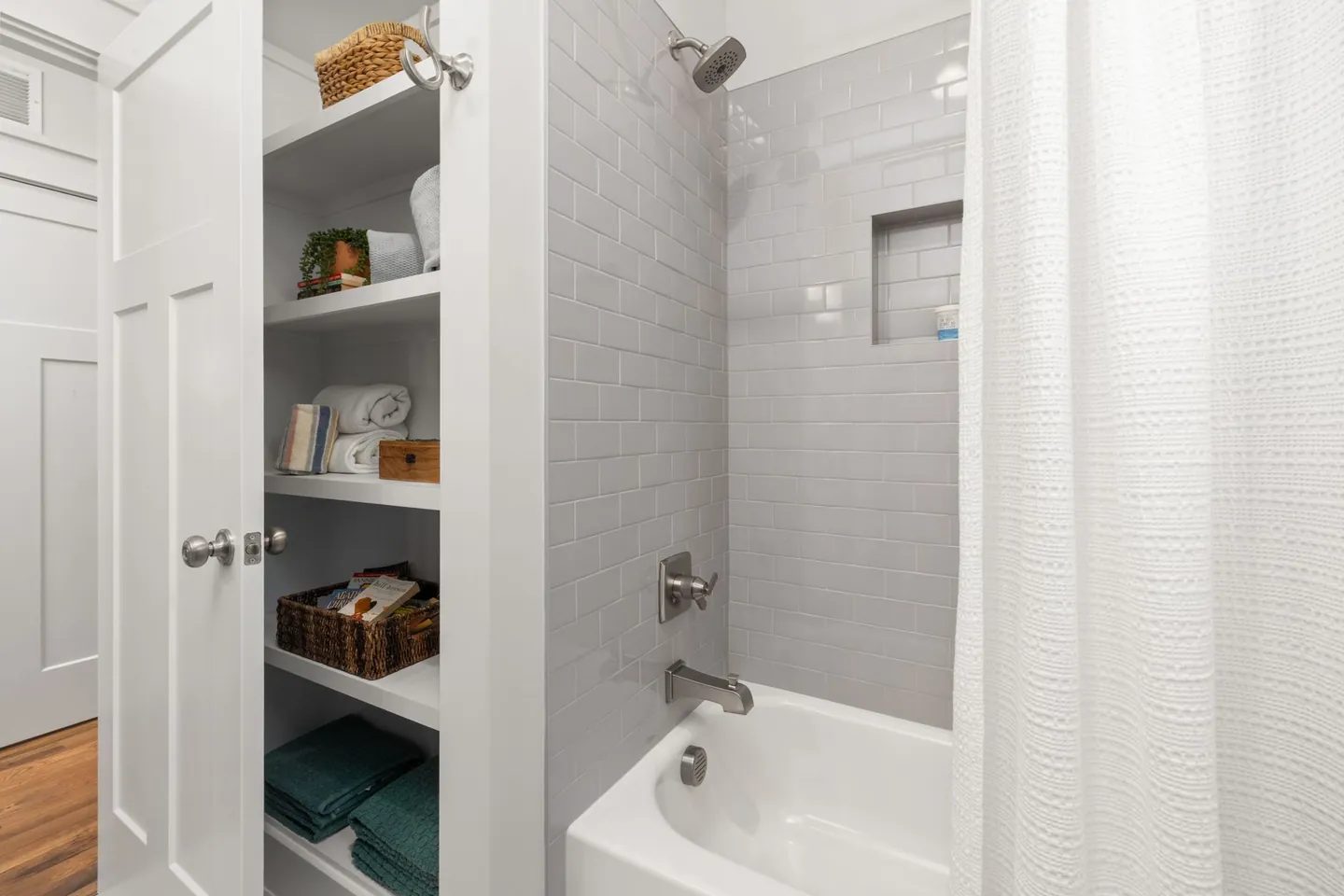
3. Handle medicines separately
FDA advises against using expired medicines and notes that damp bathroom storage can affect medicines before expiry. Follow each medicine’s storage instructions and keep it secured against inappropriate access. FDA identifies take-back or prepaid mail-back options as preferred United States disposal routes. Ask a pharmacist about the medicine and local options rather than giving every product the same trash or flush instruction.

4. Clean only with a compatible method
Follow the fixture, finish and product instructions. An abrasive cleaning pad is not suitable for every coating, and a disinfecting spray is not automatically needed or compatible everywhere. CDC distinguishes routine cleaning from disinfection. When disinfection is appropriate, clean first and follow the product’s full wet contact time, ventilation, protective equipment and rinse instructions. Never mix cleaners.
5. Return items to suitable secure storage
Keep chemicals and medicines in original labeled packaging, locked away out of children’s reach. Do not replace them with matching jars or accessible display bins. Follow electrical tools’ shutdown, cooling and storage instructions, away from water. Keep razors and small objects secured. A clear container or high shelf alone is not childproof storage.
6. Check the storage itself
Inspect shelf supports, hooks, caddies and door movement. Follow load, surface and anchoring requirements rather than assuming more vertical storage is always better. Resolve a leak or moisture problem before filling the area again. Use only products appropriate for the environment; rust-proof, no-drilling and guaranteed-fit results are not established by a category search.
7. Leave a short action list
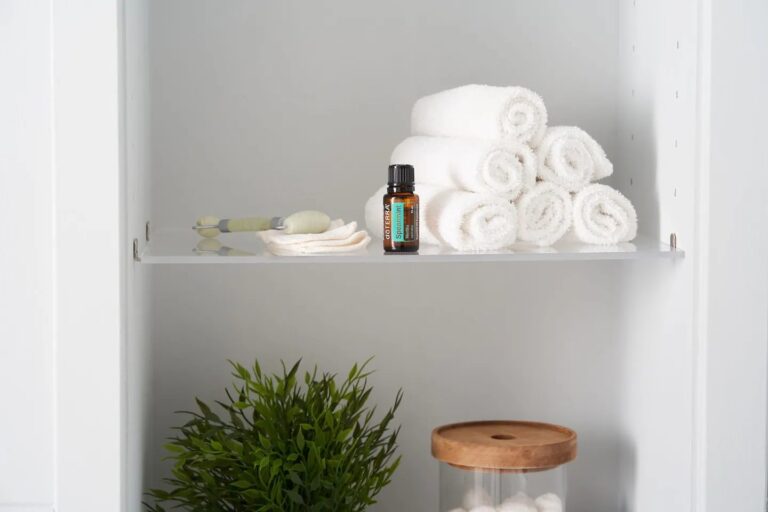
Separate decisions such as restock, ask the owner, seek disposal advice and arrange repair. Check donation acceptance and product suitability before giving anything away. Do not leave a box of hazardous or private items accessible while awaiting the next review. Retained photos, related articles and category searches are illustrations or browsing links, not tested products or a complete bathroom safety assessment.
Retained links and sources
- Optional Amazon category search: Shower Caddy
- Optional Amazon category search: Over Toilet Storage
- Optional Amazon category search: Cabinet Organizer Bins
- 10 Bathroom Cleaning Hacks Every Mom Needs to Know
- Small Bathroom Storage Ideas to Maximize Space
- How to Organize Your Bathroom Cabinet Like a Pro
- CPSC: childproofing and secure storage
- FDA: medicine storage, expiry and disposal
- CDC: cleaning and disinfection