Kids Room Organization Tips for Spring Refresh
A spring refresh for a child’s room works best when the child can find, use, and return their belongings. Begin with one small area and involve them at an age-appropriate level. This guide offers practical organization steps, not a personal parenting story or a promise that a tidy room will change behavior, stress, or school performance.
Disclosure: These links open Amazon search results. They are optional browsing suggestions, not verified product reviews or price/availability checks.
Choose one zone and a manageable session

Start with a book basket, a clothing drawer, or one group of toys. Avoid emptying the entire room onto the floor unless there is enough time and help to finish. Keep the bed, doorway, and walking routes usable throughout.
Ask what is difficult now: finding a favorite toy, reaching clothes, or putting away craft supplies. Use that answer to choose the first change. A system built around the child’s actual routines is more useful than a decorative arrangement copied from a photograph.
Sort together without surprise removals
Separate items to keep, repair, pass on, and dispose of. Check whether games have their pieces and clothes fit before choosing storage. Respect attachments that are not obvious to an adult, and avoid secretly removing belongings merely to meet a decluttering target.
Set uncertain sentimental items aside for another conversation. Donate only suitable, usable items accepted by the recipient. Keep hazardous or damaged items out of use while an adult decides the appropriate repair or disposal route.
Make everyday storage easy to use
Group toys in categories the child understands, such as vehicles, building pieces, or pretend-play clothes. Use words, pictures, or both on labels. Leave enough space that putting something away does not require careful packing every time.
Choose containers the child can lift comfortably and storage suited to their age. Follow furniture and storage manufacturers’ installation and safety instructions. Do not create a setup that encourages climbing to reach everyday belongings; keep heavier items low and routes clear.
Arrange play, reading, and clothing areas

A room can have simple zones without new furniture. A basket near a comfortable seat can hold current books; a tray can contain drawing supplies; one drawer can hold daily clothing. Keep messy activities where cleanup is practical.
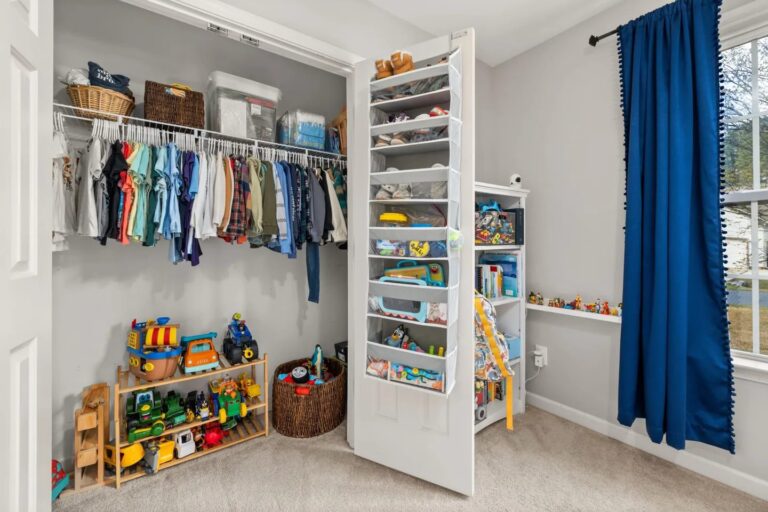
Check hanging storage and hooks for reach, suitability, and safe fitting. A shared closet may need distinct sections so each child can identify their belongings. Set aside outgrown clothes for review and keep seasonal clothing accessible when the weather is changeable.
Rotate toys only if it helps
If the available collection overwhelms the storage, try keeping one smaller selection accessible and storing the rest. Label the stored box and choose a place where it will not block access or become difficult to retrieve.
There is no required fraction of toys to hide or fixed rotation timetable. Keep favorites available and ask the child what they want to swap. Stop the experiment if maintaining the rotation creates more work than it saves.
Give art and school items a destination
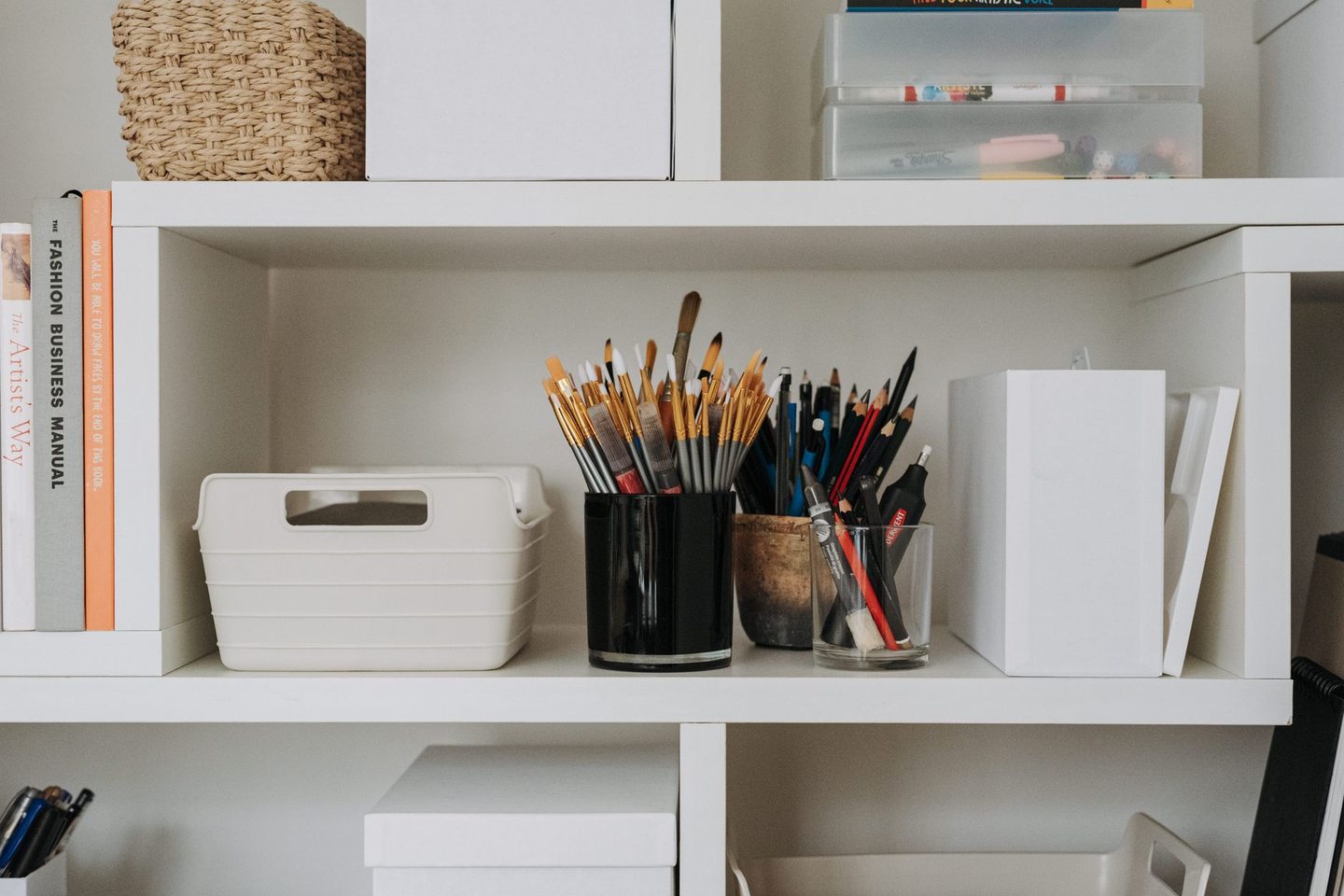
Use a limited display space for current artwork and a folder for pieces awaiting a decision. Let the child help choose what to keep. Photographing work is optional, and important originals can be retained when wanted.
For older children, review school files and device storage together without deleting work or accounts blindly. Check backups and school requirements first. A room reset is not permission to invade private messages or remove personal material without discussion.
Practice a short reset
Show the child how to return one category, then try it together. Use a clear instruction such as putting the books in their basket rather than a vague demand to clean everything. Keep the number of steps realistic for their age and abilities.
Notice which categories repeatedly miss their destination. Move the container, simplify the label, or reduce what it holds. The spring refresh is successful when the room supports everyday life, not when it stays untouched.
Amazon category searches
Optional browsing links. Check the specific listing, dimensions, materials, instructions, and current terms before buying.