How to Utilize Vertical Space for Bathroom Storage
Shopping links: These links open Amazon search results. They are optional browsing suggestions, not verified product reviews or price/availability checks.
Vertical space is usable only when the installation suits it
An empty bathroom wall is not automatically a safe mounting surface. Check the wall, hidden services, storage instructions, actual load and room conditions before adding anything. This guide compares options rather than testing products or promising more usable space in every bathroom. Leave access, door movement and walking routes clear.
1. Check over-toilet furniture for fit and restraint
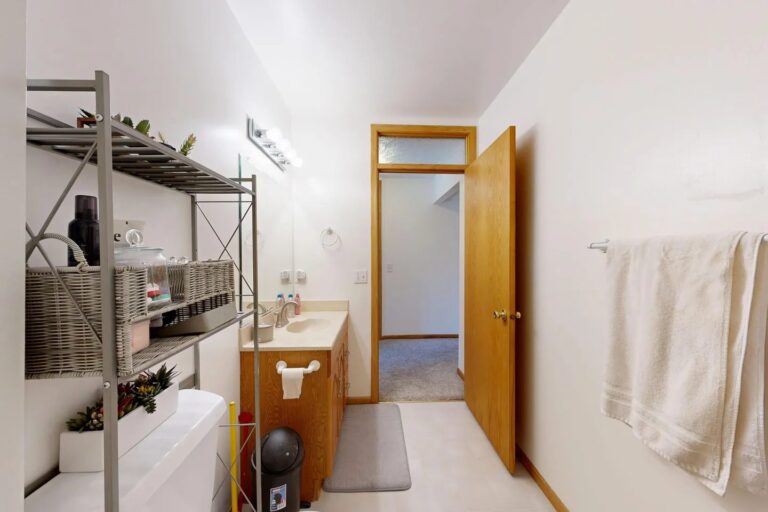
Measure the toilet, controls and maintenance access as well as the room. Follow all assembly, load and anchoring instructions. Freestanding furniture can still need anchoring; no-drilling is not a reason to omit a required fixing. Resolve installation restrictions with the landlord or choose another supported arrangement. Do not assume every rack fits the available gap.
2. Treat ladder-style shelves as furniture
Use a unit intended for the purpose, on a suitable surface and with any required restraints. A ladder appearance is not permission to climb it. Keep tempting items from encouraging children to climb, and follow load limits. Check that towels or baskets do not interfere with electrical equipment, heaters, doors or bathroom fittings.

3. Match hooks to the contents and surface
Read the hook and surface instructions, including preparation, curing and load limits where specified. Do not hang hot or powered hair tools inside cabinets or rely on a generic adhesive hook as a heat-resistant holder. Follow the tool’s cooling and storage directions and keep electrical equipment away from water. Adhesives are not universally damage-free or renter-approved.

4. Check shower organizers against supported installation
A tension caddy, showerhead hanger or corner shelf needs compatible dimensions, surfaces, load and fittings. Do not load plumbing with a hanger unless its use is supported. Installation into wet-area surfaces needs appropriate methods; do not drill blindly through tile or waterproofing. Keep razors and small accessories secured according to the household’s child-access risks.

5. Keep hazardous supplies out of open displays
CPSC recommends medicines and cleaners be locked away out of children’s reach, even in child-resistant packaging. Keep original labels and follow product storage instructions. An open cart, door basket or shelf above a doorway is not a substitute. Avoid accessible glass jars or loose small objects as a default children’s storage arrangement.
6. Use door and cabinet storage selectively
Check that brackets, baskets and stacked bins fit without forcing hinges, blocking ventilation or preventing closure. A cart must remain stable and leave walking routes open. Do not make high shelves usable only by standing on the toilet or an unsuitable surface. A shallow amount of appropriate storage is preferable to filling every vertical gap.
7. Recheck condition, not just appearance
Look for corrosion, swelling, loose fittings and damaged packaging. Follow the manufacturer’s care and replacement instructions. A rust-resistant description does not guarantee permanent rust prevention, and a photo is not evidence of an approved installation. Retained related articles and category searches are optional browsing, not tested recommendations or proof that a caddy or over-toilet unit needs no drilling.
Retained links and sources
- Optional Amazon category search: Shower Caddy
- Optional Amazon category search: Over Toilet Storage
- Optional Amazon category search: Cabinet Organizer Bins
- 10 Bathroom Cleaning Hacks Every Mom Needs to Know
- Small Bathroom Storage Ideas to Maximize Space
- How to Organize Your Bathroom Cabinet Like a Pro
- CPSC: childproofing and secure storage