DIY Bathroom Organization Projects That Save Space
Shopping links: These links open Amazon search results. They are optional browsing suggestions, not verified product reviews or price/availability checks.
Choose a small bathroom storage problem
A DIY bathroom organization project can be as simple as grouping suitable toiletries in an existing tray. Adding hooks, shelves or a turntable is optional. Begin with what needs to stay accessible, what needs adult-controlled storage and what the cabinet can safely hold. This guide does not certify an adhesive, tension rod or shelf for your bathroom and does not promise that no-drill products leave finishes undamaged.
Review one section without spreading hazards
Clear a small shelf while keeping medicines, cleaners and sharp tools secure from children and pets. Keep products in their original labeled containers. Check condition and storage instructions, including medicine requirements, rather than deciding everything belongs under a damp sink. Do not mix partly used products to save space. Review unused or expired items through the relevant product or disposal guidance instead of treating a storage project as permission to discard someone else’s belongings.
Project 1: Group suitable toiletries in an existing bin
Choose an intact container that is suitable for the conditions and easy to clean. Keep everyday toiletries separate from cleaning chemicals. Leave space to read labels and remove a bottle without pulling down its neighbors. Do not put the heaviest products at an awkward height. A clear bin improves visibility only; it is not child-resistant, leak-proof or suitable for every product merely because it fits inside the cabinet.
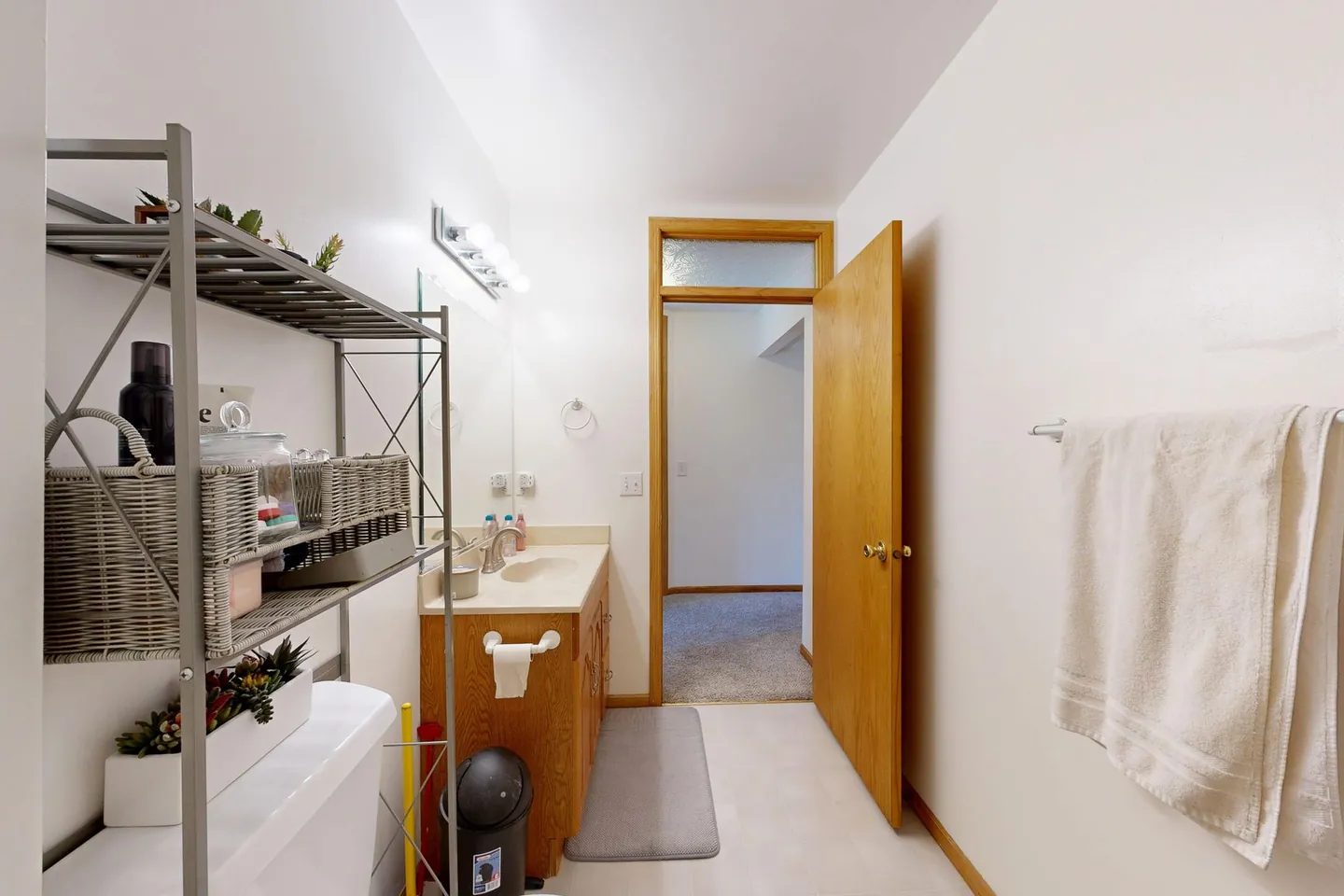
Project 2: Simplify a drawer
Use smooth trays or dividers that fit without cutting and do not stop the drawer closing. Group the items by their actual use. Keep razors, nail tools, small accessories and medicines in secure storage appropriate to the household, not an open all-purpose drawer. Avoid cut packaging with exposed edges or flimsy inserts that shift. Start with the containers you have, but replace an unsuitable one rather than modifying it in a way its maker does not permit.
Project 3: Add a measured door organizer only if suitable
Check the door material, hinges, clearances, expected load and the accessory’s fitting instructions. Confirm that the door closes fully and any safety latch still works. Follow rental requirements before attaching fixtures. Adhesive does not guarantee a damage-free result, particularly on an unknown finish or in damp conditions. Do not use a door pocket to make medicines, cleaners or hot grooming tools reachable. Skip the addition when compatibility is unresolved.
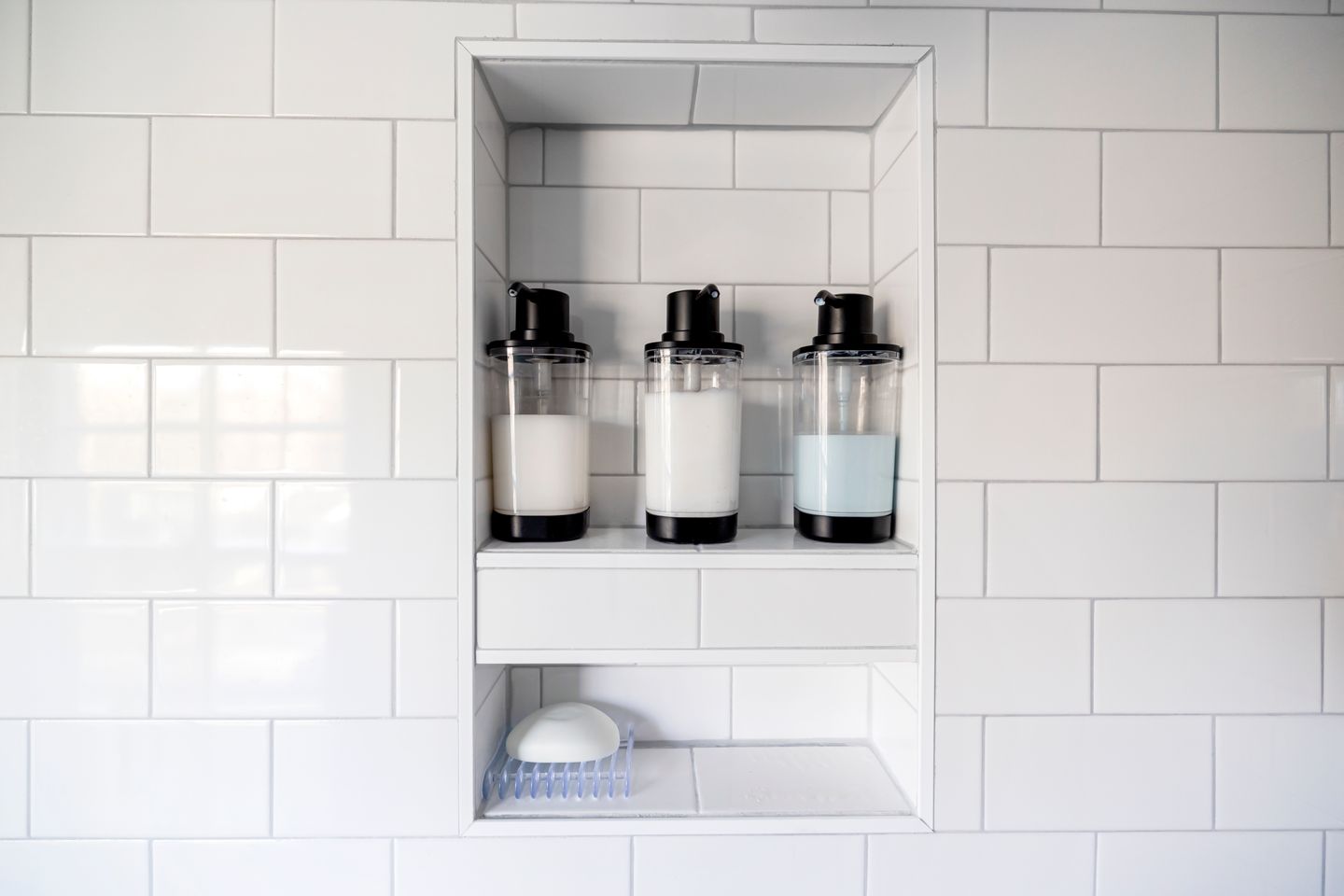
Keep under-sink storage clear of plumbing
Leave access for checking leaks, valves and maintenance. Avoid putting containers where they can press on pipes or hide a drip. Store only products whose instructions and access controls suit that location. Do not suspend spray bottles from an improvised tension rod: the rod, trigger and placement have not been verified for that use. Do not store cutting boards or other food-preparation tools beside bathroom chemicals simply because a divider creates a convenient gap.
Treat turntables and risers as optional equipment
A turntable needs a stable suitable surface, the correct dimensions and a manageable load. Do not use it as a generic pill-storage solution or combine medicines with toiletries and cleaners. Raised shelves and stackable products need their own loading and assembly checks. A shoebox is not a verified structural riser for heavy bottles. Keep heavy objects low and avoid a stack that must be dismantled every time something at the back is needed.
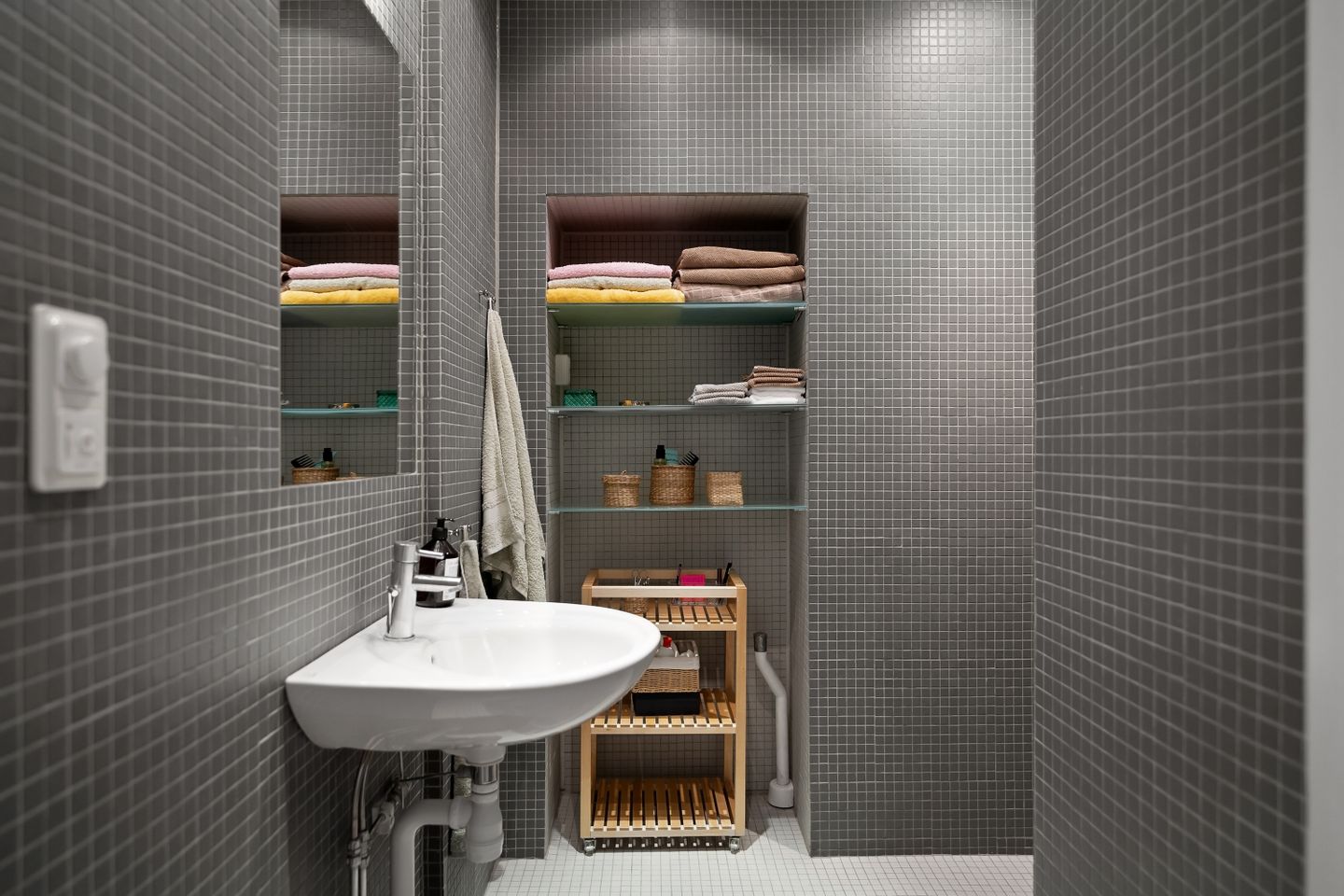
Check walls and over-toilet units before installation
A shelf or tall unit must suit the wall or floor, its intended load and its anchoring requirements. Do not skip required anchoring to call a unit no-drill. Check rental permissions and get appropriate installation help if the construction or fixings are unclear. Avoid placing heavy objects, candles or breakable decor where they could fall toward someone using the bathroom. More storage above the toilet is not a necessary improvement.
Keep electrical and hot tools separate from water
Follow the equipment instructions and use a suitable place for hot tools to cool out of children’s reach. CPSC guidance warns that plugged-in bathroom appliances can remain hazardous even when switched off. Do not hang a hairdryer on an unverified hook near a basin or build a countertop charging station next to water. Unplug and store equipment safely after use. Wiring or outlet concerns need a qualified electrician, not a storage accessory.
Check the result before buying more
Leave the floor and door route clear, confirm cabinets close properly and make sure adult-controlled products remain secure. Check for dampness and repair needs rather than hiding them behind baskets. The retained shower-caddy, over-toilet and bin searches are optional categories, not verified rust-proof, no-drill or load-tested products. Keep only changes that make the actual routine easier. Clean suitable containers according to their instructions and review the layout when products or household needs change.
Retained links and sources
- Optional Amazon category search: Shower Caddy
- Optional Amazon category search: Over Toilet Storage
- Optional Amazon category search: Cabinet Organizer Bins
- 10 Bathroom Cleaning Hacks Every Mom Needs to Know
- Small Bathroom Storage Ideas to Maximize Space
- How to Organize Your Bathroom Cabinet Like a Pro
- CPSC: secure storage and furniture anchoring
- CPSC staff: home electrical safety checklist