Preparing Your Home for Winter: Essential Checklist
Preparing a home for winter means checking equipment, water protection, access, and emergency supplies before severe weather arrives. Adapt this checklist to the building, local climate, and household needs. It is not a guarantee against damage, and high, electrical, fuel-burning, or structural work should be handled with appropriate professional help.
Disclosure: These links open Amazon search results. They are optional browsing suggestions, not verified product reviews or price/availability checks.
Start with heating and its instructions

Arrange qualified servicing when the heating system’s schedule calls for it. Check accessible filters, vents, and controls only as the manual permits. Report unusual smells, noises, or unreliable operation rather than waiting for cold weather.
Keep stored items outside required equipment clearances. Do not assume a filter change proves a furnace or boiler is safe, and do not open fuel-burning or electrical components as a decluttering task. If you rent, confirm the responsible person for servicing and repairs.
Check drafts and insulation needs
Inspect suitable doors and windows for worn weatherstripping or visible gaps. Choose compatible sealing materials and follow their installation directions. Keep required ventilation and combustion-air openings clear.
Ask for building-specific advice before adding insulation to attics or walls. Moisture, wiring, lighting, fire clearances, and ventilation matter. A generic recommendation to add more insulation is not enough to decide what your home needs.
Review roof and gutter condition safely
Look for visible drainage problems, damaged roofing, or signs of leaks from a safe location. Arrange clearing or inspection with suitably equipped help where height or access is involved. Do not climb onto wet or icy roofing.
Keep downspouts and drainage working as designed. Repeated ice dams, heavy snow concerns, or recurring attic dampness need appropriate assessment. Clearing one gutter is useful maintenance, not proof that every winter water problem is prevented.
Prepare plumbing for the actual installation
Identify exposed pipes in unheated spaces and ask a plumber or utility about suitable protection. Know the main water shutoff location and make sure it remains accessible. Follow the specific guidance for outdoor faucets, hoses, and irrigation.
Do not apply a universal dripping-faucet rule to every home. Local utility advice, the fixture, and conditions matter. If a pipe freezes, do not use an open flame or improvised heating equipment near water; follow official or professional guidance.
Check alarms and fireplace readiness
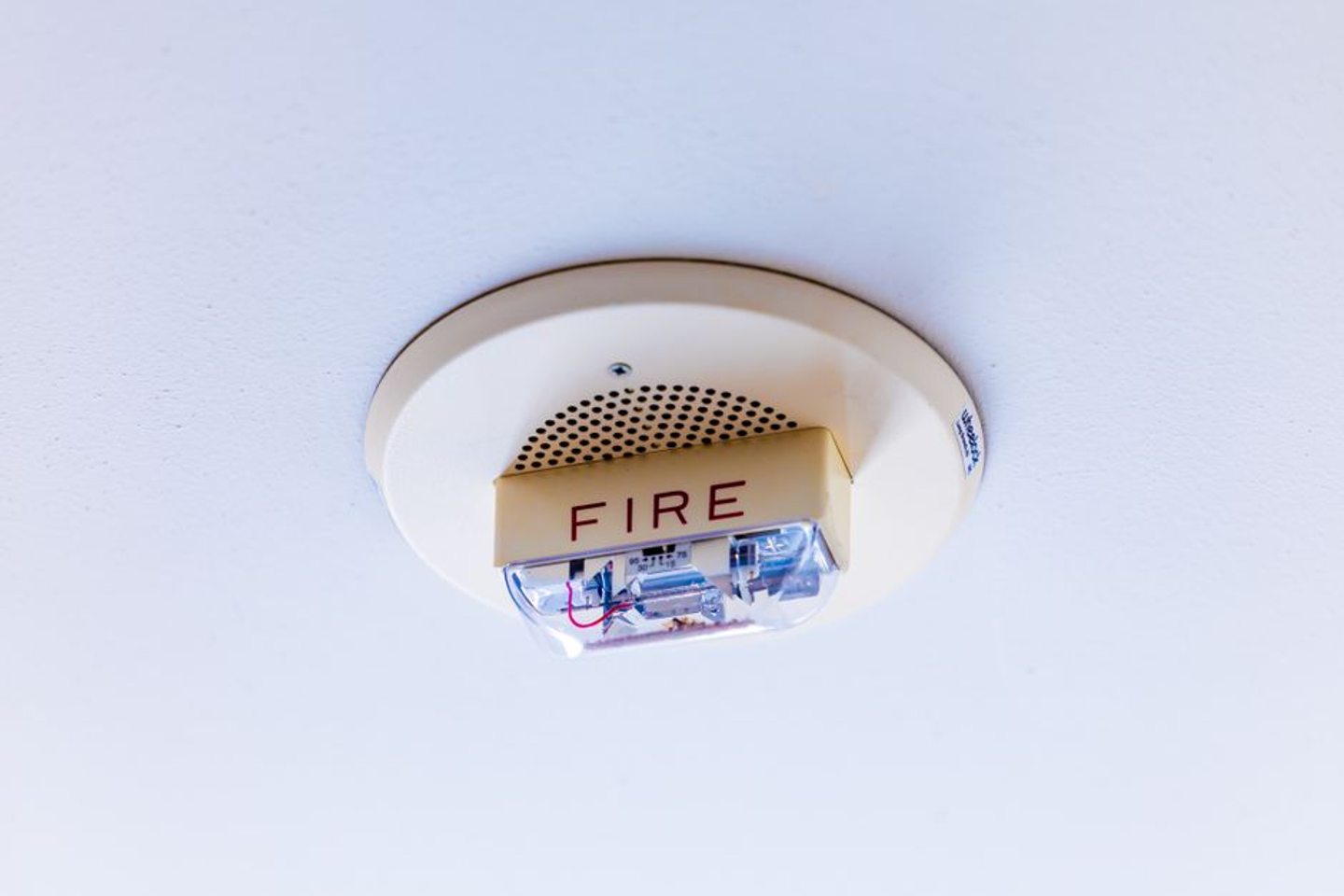
Maintain smoke and carbon monoxide alarms according to each unit’s instructions and local requirements. Test as directed and follow the device-specific battery and replacement schedule. Treat a carbon monoxide alarm as a possible emergency rather than assuming a fault.
Arrange fireplace and chimney inspection or cleaning when required before use. Use appropriate fuel and keep combustible items clear. Smoke entering the room calls for a safety response, not simply opening a window and continuing the fire.
Prepare for an outage
Gather water, food that can be used without normal cooking or refrigeration, flashlights, batteries, warm layers, blankets, medication needs, and first-aid supplies. Include pets and anyone who depends on powered equipment or extra support. Check existing stock before buying more.
Use battery lighting rather than relying on candles. Never heat the home with a gas oven or stovetop. Follow generator instructions and official placement guidance; Ready.gov specifies keeping generators and fuel outdoors at least twenty feet from windows, doors, and attached garages.
Secure outdoor equipment and review transport
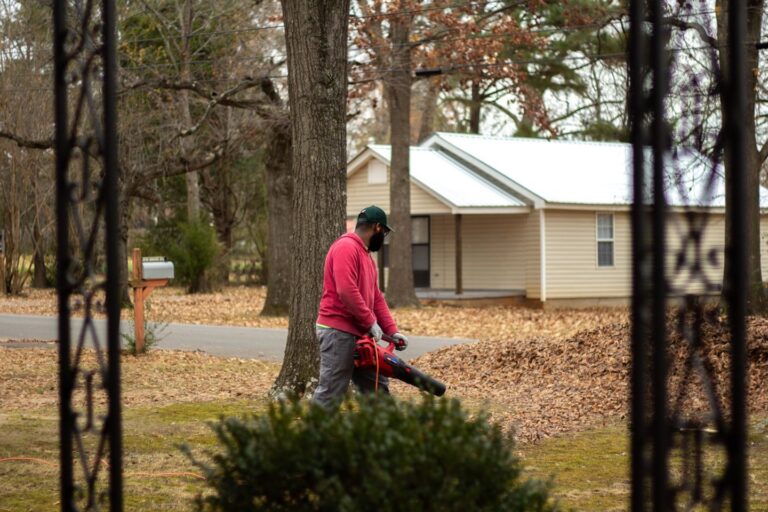
Clean and store suitable patio furniture and garden equipment according to their instructions. Follow fuel-storage rules and keep exits and utility access open. Check snow-removal tools and arrange help if shoveling would be unsafe or overly strenuous.
For a vehicle, follow its maintenance and winter-equipment guidance and local road rules. Check service needs, tires, battery condition, and relevant fluids with appropriate help. A home checklist does not replace vehicle-specific advice.
Keep the remaining work visible
Record completed service and unfinished repairs, and check local weather and emergency notices. Agree how household members will communicate and where to go if the home becomes unsafe. Keep emergency contacts available without relying only on a charged phone.
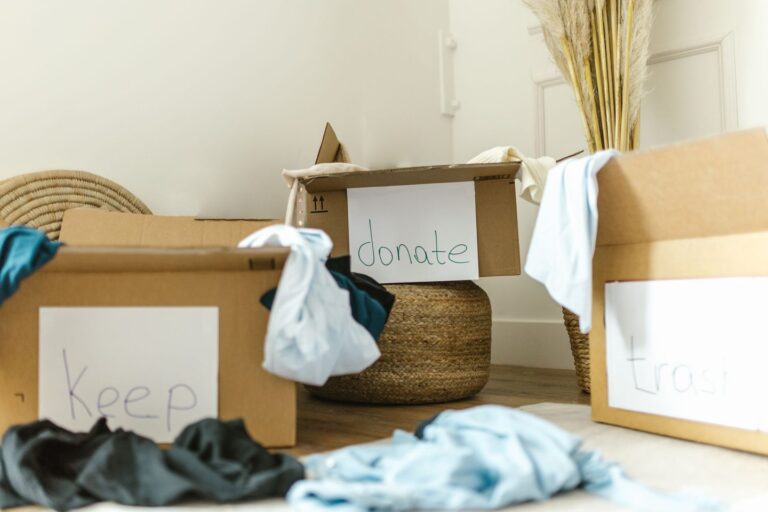
The existing seasonal-storage searches below are optional categories, not tested safety equipment. Check textile care before using vacuum bags and leave vents and exits clear. See Ready.gov’s winter preparation and safety guidance for official advice.
Amazon category searches
Optional browsing links. Check the specific listing, dimensions, materials, instructions, and current terms before buying.