15 Toy Organization Playroom Ideas for Kids
Shopping links: These links open Amazon search results. They are optional browsing suggestions, not verified product reviews or price/availability checks.
Choose toy storage for the children who use it
These fifteen ideas are options, not a requirement to buy fifteen organizers. Start with the youngest child who can access the room, toy age labels and supervision needs. Keep toys with small parts, magnets, button batteries or other hazards under suitable adult control. Tidiness is not a substitute for safety, and this guide does not promise more creativity or fewer tantrums.
1. Sort a small group with an adult
Check a few toys at a time for damage, missing parts and the maker’s instructions. Keep questionable toys out of use while you check the exact issue or recall status. Do not mix unidentified loose parts into a child’s general toy bin.
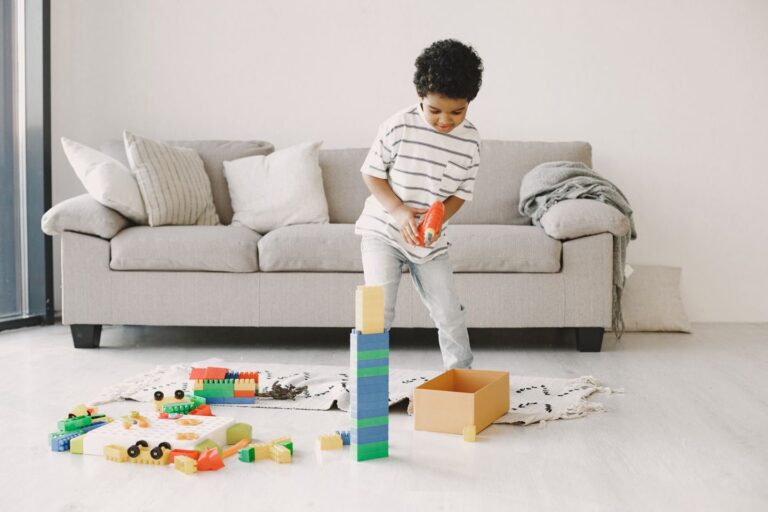
2. Use a few simple categories
Try blocks, vehicles and pretend play instead of a separate container for every toy. Keep adult-controlled materials separate, even when that makes the arrangement less uniform. Categories should help the household, not make cleanup another complicated task.
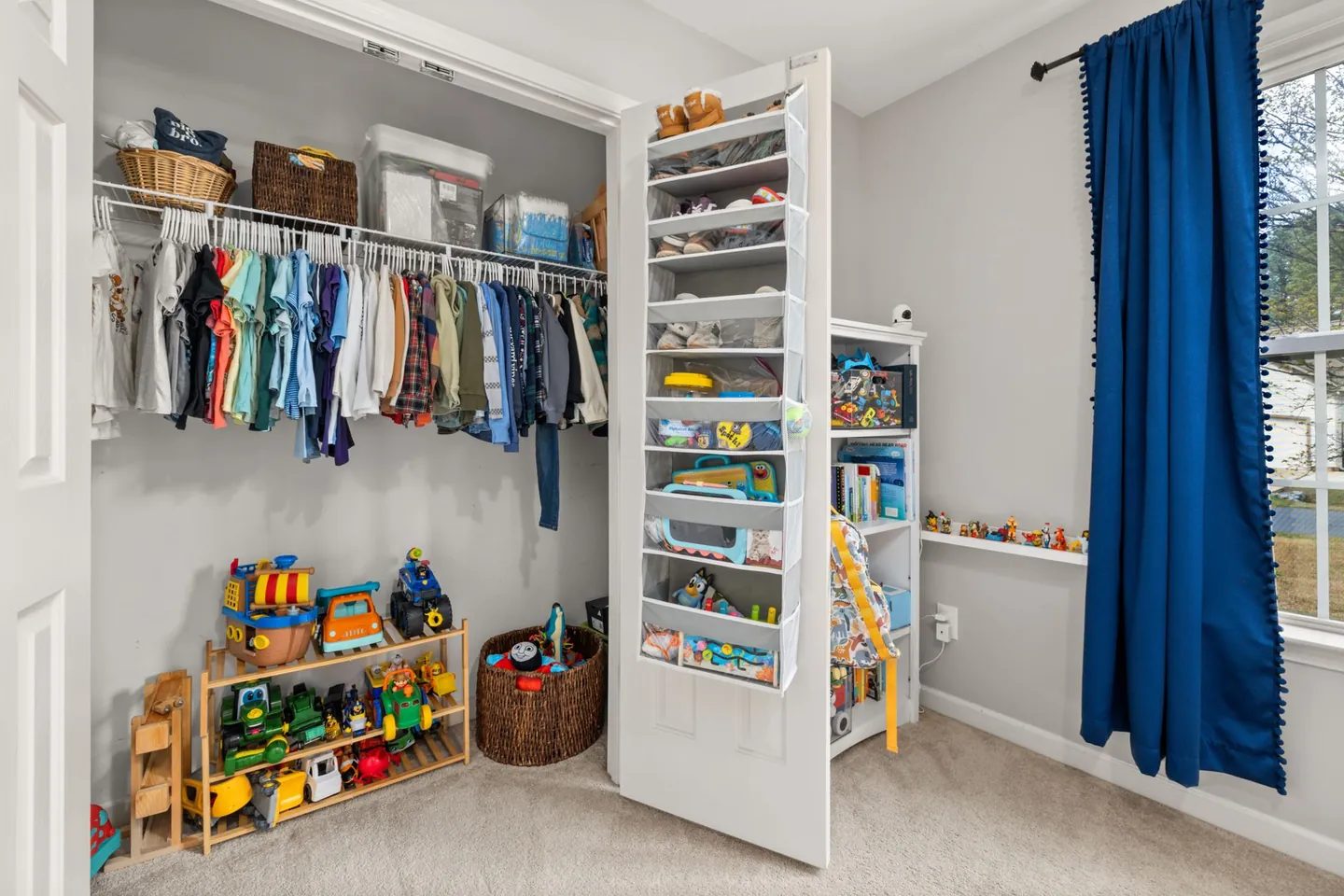
3. Add labels that can change
Use words or pictures suited to the children using the space. Check that attached labels have no accessible small loose parts. Labels can help explain a place, but do not establish that its contents are safe for independent access.
4. Check shelving installation
Choose furniture suitable for its use and follow its load and installation instructions. CPSC recommends anchoring furniture such as bookcases against tip-overs. Low furniture can still need anchoring. Keep tempting displays from encouraging climbing, and resolve rental restrictions before installation.
5. Keep bins manageable
Use containers children can handle safely for the permitted contents. Do not overfill them or stack them where they can fall. Inspect edges, handles and lids. Avoid treating a general storage box as a toy chest without checking its intended use.
6. Give large toys clear space
Place play kitchens or dollhouses where doors and exits remain usable and the toy can be used as intended. Follow any anchoring instructions. Do not assume a wall or corner makes a large item stable.
7. Store soft toys without an improvised seat
Use suitable accessible storage for age-appropriate soft toys. Skip improvised hanging hammocks and bags stuffed to become seating. A storage cover is not automatically a tested chair, and cords, closures and installation need their own safety assessment.
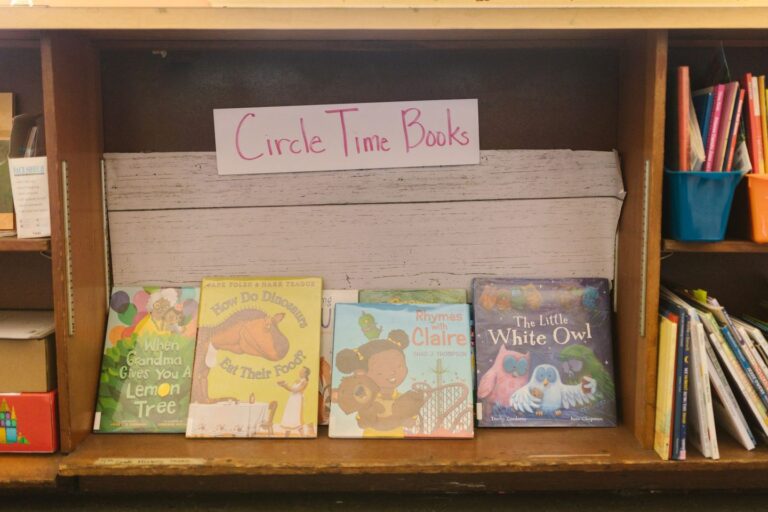
8. Make a reading area for awake use
Keep books reachable in properly installed storage and leave a clear place to sit. This is not an infant sleep setup. Do not put cushions, soft toys or storage containers into a baby’s sleep space.
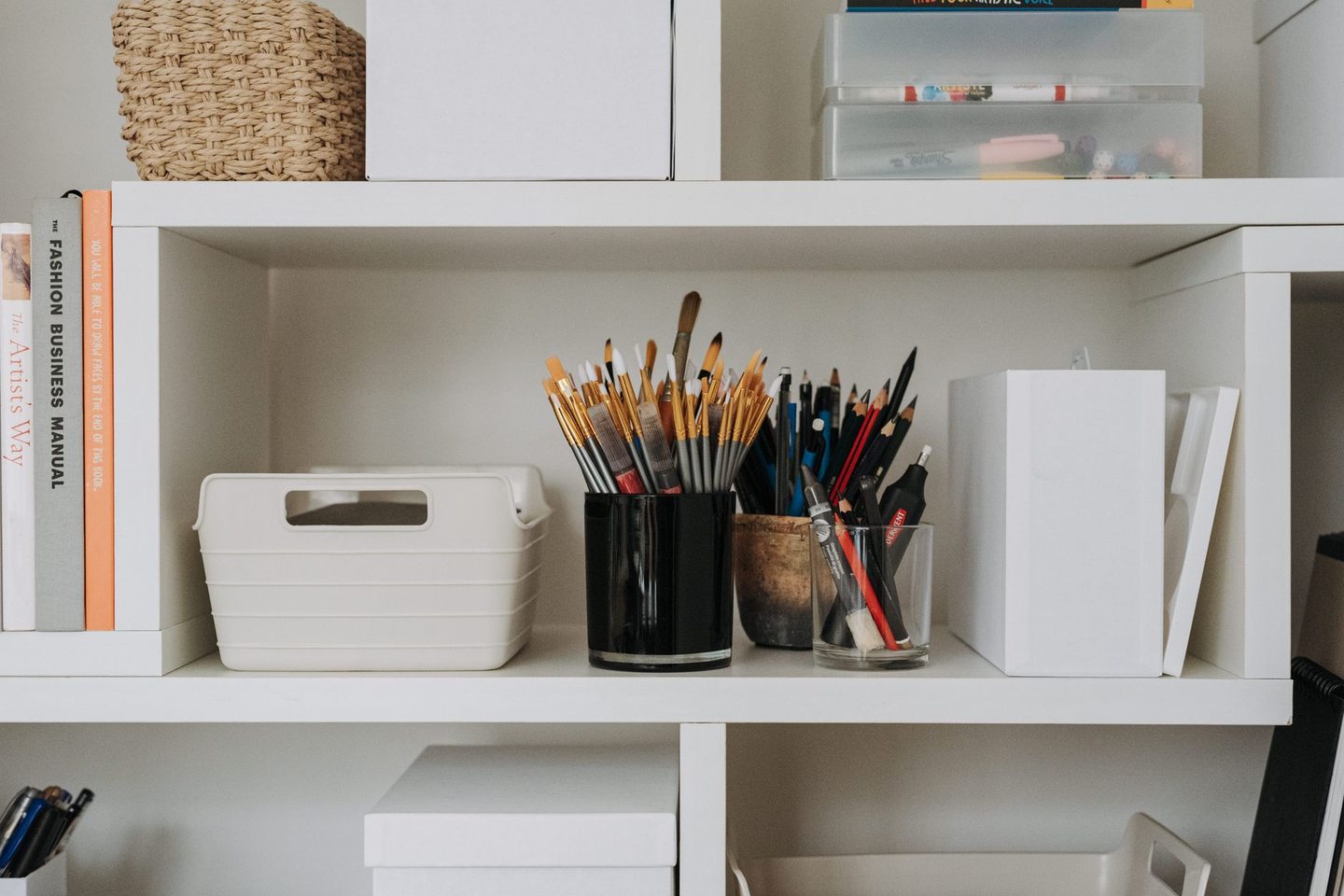
9. Keep art materials under suitable control
Follow each material’s age and use instructions. Adults should control scissors and other hazardous supplies. Use stable, suitable containers instead of glass jars within children’s reach. Do not let an unsupervised child roll a loaded cart around the room.
10. Keep game instructions with their pieces
Store age-appropriate puzzles and games with their identifying information. A zipped pouch does not make small parts safe for younger siblings. Place adult-controlled games where children cannot independently access the contents.
11. Skip unnecessary wall hardware
A pegboard is optional and requires the right installation, load limits and secure accessories. Small hooks and hanging cords need particular care. Do not use adhesive hooks as substitutes for specified structural fixings or install above an area where items could fall onto play.
12. Check shared-bedroom storage separately
Under-bed bins need clearance and safe access without obstructing the bed or creating a trapping point. Keep storage away from an infant’s sleep space and follow the bed’s instructions. Out of sight does not mean inaccessible to a child.
13. Rotate only when useful
Set aside some suitable toys if that fits your household. Label the stored contents and keep hazards controlled. No fixed monthly rotation is required, and novelty is not a guaranteed result.
14. Check before donating
Confirm the recipient’s current rules and condition requirements. Do not pass on damaged, recalled or incomplete toys without establishing that they are suitable for reuse. Use the appropriate local disposal route for batteries or unusable items.
15. Practice the routine together
Show where a few permitted toys belong, then adjust what is difficult. Adult supervision still matters. The retained links are optional category searches, not safety-reviewed bins, furniture or wall organizers. Finish with clear routes and securely stored adult-controlled items.