Checklist for Back-to-School Bag Organization
Shopping links: These links open Amazon search results. They are optional browsing suggestions, not verified product reviews or price/availability checks.
Pack for the actual school day
Start with the school’s current list, timetable and rules, not an all-purpose emergency kit. This checklist helps identify what needs a place in the bag. It does not claim that a particular layout treats stress, improves focus or prevents forgotten work. No University of California study or personal friend’s exam experience is being presented as evidence.
1. Check the bag's condition and fit
Inspect straps, seams, zippers and any device compartment. Use the bag according to its maker’s instructions and the school’s requirements. Padded straps or an ergonomic label do not guarantee a comfortable or medically appropriate load. If carrying the bag causes pain or difficulty, ask the school about reducing what must be carried and seek suitable professional advice where needed.
2. Make a short list for that day
Check required books, completed work, permitted stationery, lunch and activity equipment. Avoid automatically packing every textbook or duplicate calculator. Separate borrowed materials and notes that need a caregiver’s response. Let an adult review items for younger children rather than treating a child’s checklist tick as proof that everything is appropriate.

3. Group supplies without adding hazards
Use a suitable pouch for permitted stationery and a clear location for folders. Check age guidance and school rules for scissors, small parts, batteries and other tools. Do not let a convenient pocket become unrestricted storage for hazardous items. Keep food and drinks arranged so leaks do not reach books or devices, following their containers’ instructions.
4. Follow the school's medicine and sanitizer rules
Do not automatically add medicine, hand sanitizer or treatment products to every child’s bag. Check the school’s policy and the child’s age, care plan and supervision needs. Medicines should follow the agreed caregiver and school process, not an improvised just-in-case kit. Use products only as labeled and keep them inaccessible where the child should not handle them.

5. Keep labels useful and discreet
Identify subjects or folders in a way the student understands. Decide with the caregiver and school what contact information belongs on the bag, rather than displaying unnecessary personal details outside. A paper checklist can work as well as an app. Use only a permitted device and an appropriate account; no new app purchase or signup is needed to try the system.
6. Review at a time that suits the household
Before the next school day, compare the list with the timetable and return signed forms or finished work to the right folder. Remove rubbish and handle leftover food appropriately. Follow the bag’s cleaning instructions rather than assuming it can be machine washed. Check damaged straps or closures before continuing to use the bag.
7. Adjust what did not work
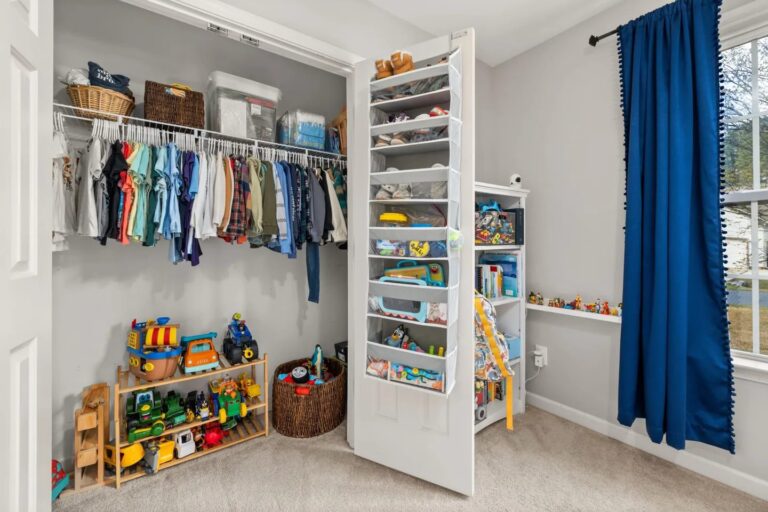
Ask which item was difficult to find and whether something unnecessary was carried. Change one category before buying organizers. No ten-minute setup or guaranteed calmer morning is claimed. The retained photos and Amazon searches are illustrations or optional browsing, not tested backpacks; toy bins, bookshelves and a family wall organizer are not required contents of a school bag.