Under Bathroom Sink Organization Ideas You’ll Love
Shopping links: These links open Amazon search results. They are optional browsing suggestions, not verified product reviews or price/availability checks.
Decide what belongs under the bathroom sink
Start with a storage plan, not a shopping list. This cabinet contains pipes and may not suit everything you want to put away. Check for dampness, leaks and safe access before organizing. Do not use a bin to hide a plumbing problem or assume that every under-sink cabinet is suitable for chemicals or powered hair tools.
Inspect and clear a small area
Move items to a stable place away from children and pets. Keep labels readable and check product condition and disposal directions. Do not pour unknown or unwanted chemicals down a drain. If a container leaks, follow its label and appropriate local disposal guidance rather than wiping it into a mixed residue. Report plumbing leaks before returning belongings.
Store chemicals securely and separately
CPSC advises keeping household chemicals in their original child-resistant containers, in a locked cabinet or box and out of children’s reach. An open caddy, turntable or high shelf is not equivalent to that secure storage. Keep cleaning supplies separate from personal-care items and follow each product’s storage directions. Do not decant them into decorative bottles.
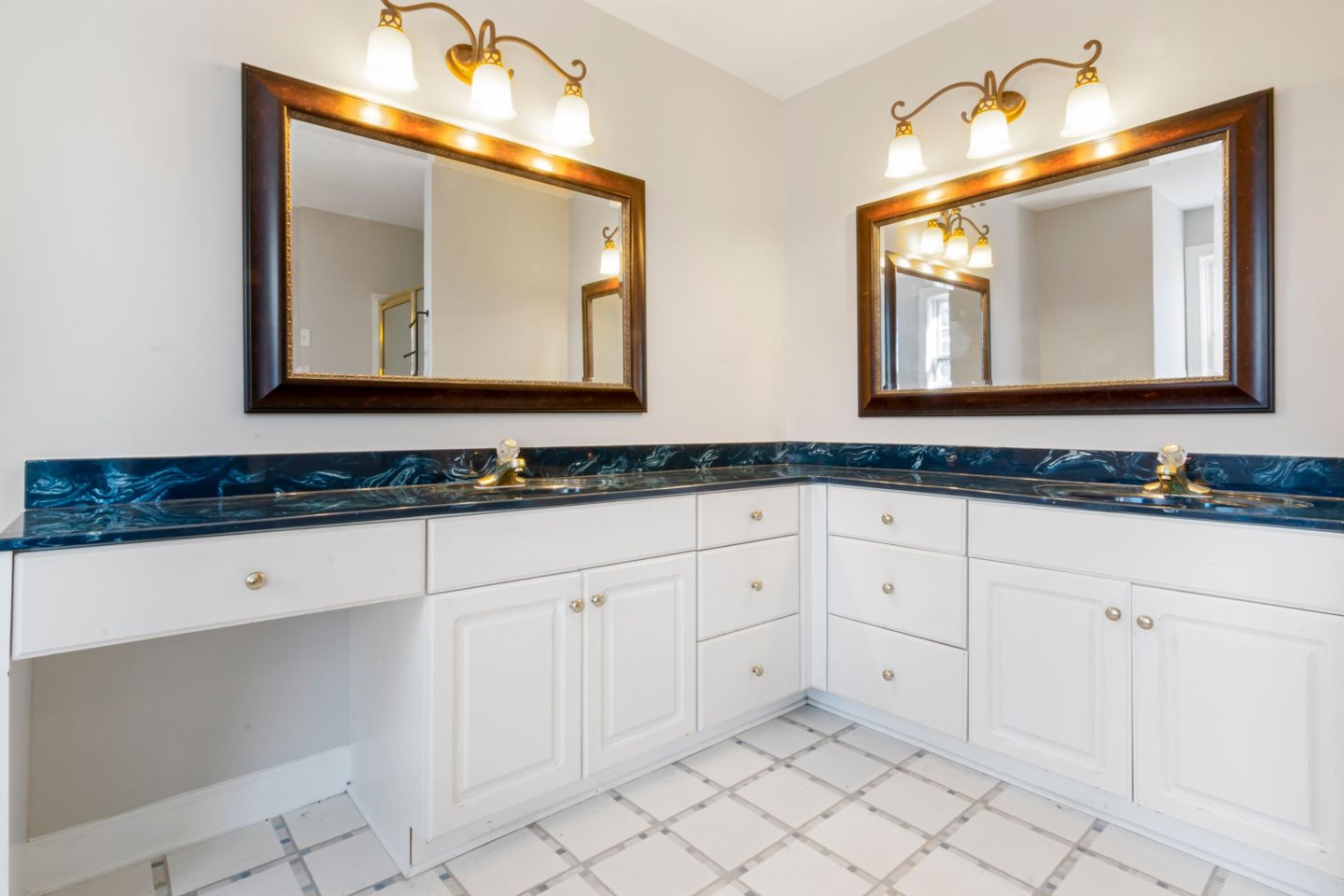
Do not treat a bin as chemical-leak containment
A general organizer has not been verified to contain bleach or other chemical leaks. Different products can be incompatible, so do not place mixed chemicals together on the assumption that one tray makes them safe. Choose only storage supported by the product instructions. Remove a leaking or damaged container from ordinary use and seek the appropriate guidance.
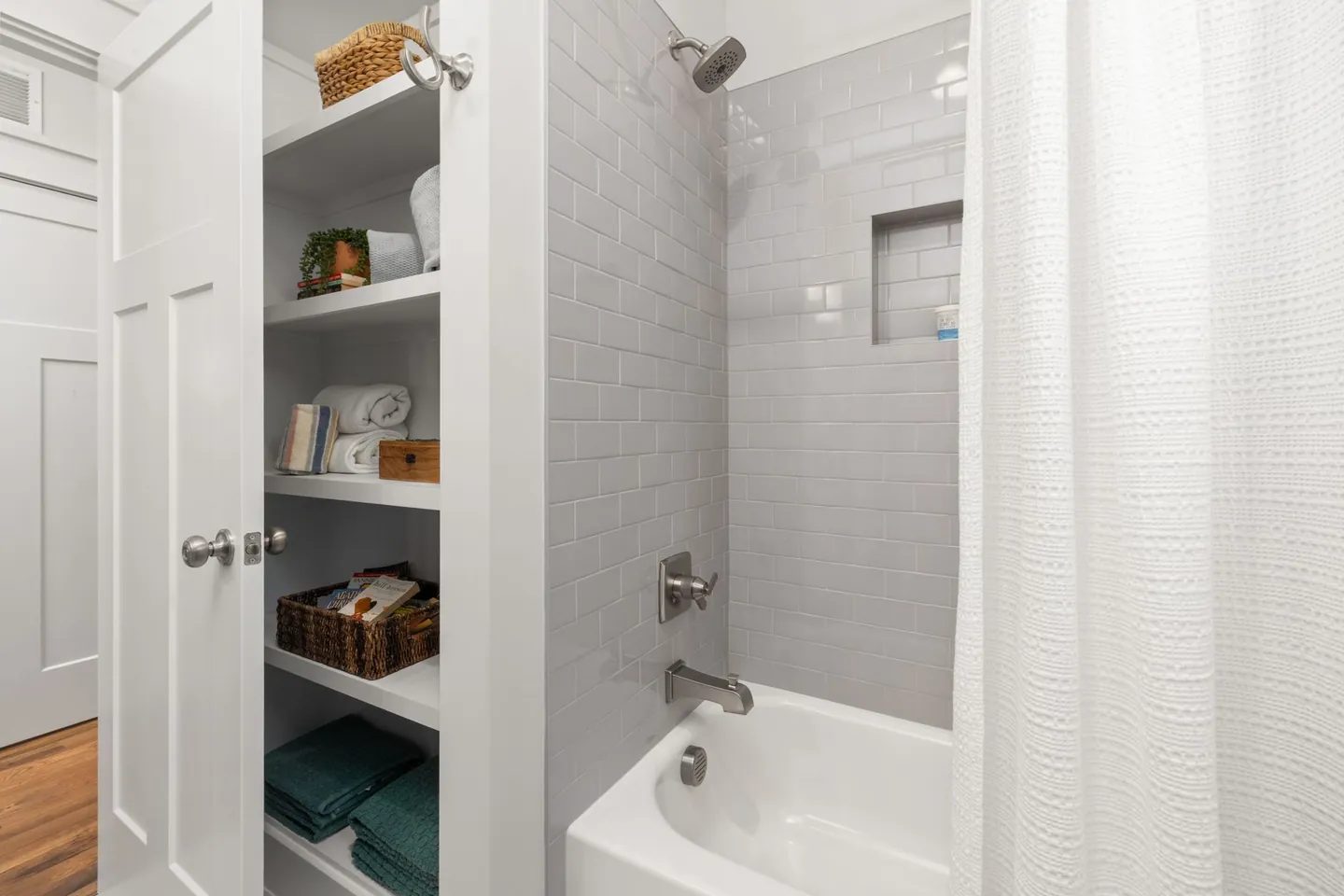
Measure around pipes and access points
Measure usable width, depth and height without pushing on plumbing. Leave access to shutoff valves and fittings. Check that doors and any proposed drawer can open fully. Start with a small removable organizer for suitable nonhazardous items you already own, rather than filling every gap.
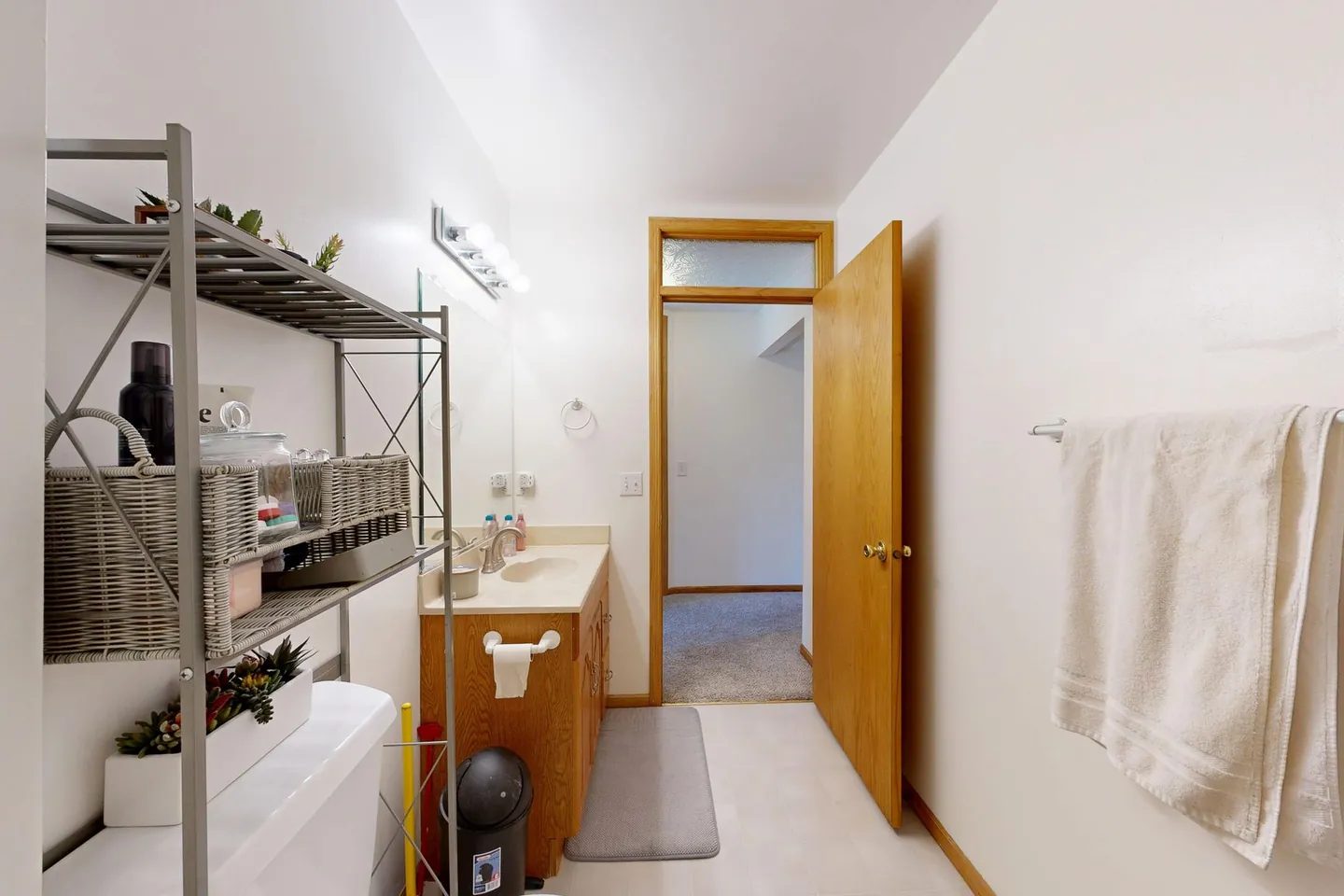
Check supports instead of hanging bottles by default
Do not hang spray bottles from an improvised tension rod or attach a loaded rack merely because it fits. Check the support, surface and accessory instructions, load limit and permitted use. Do not attach anything to plumbing. In a rental, check the agreement before adding adhesive, drilling or altering the cabinet. No-damage removal is not guaranteed.
Keep sharp and electrical items out of casual storage
Store razors and other sharp or small items securely for your household. Follow appliance instructions for cooling, unplugging and storage of hair tools. Do not hang a hot or powered hairdryer inside a damp cabinet. Keep electrical equipment away from a leak and leave uncertain electrical or plumbing problems for appropriate help.
Maintain a simple arrangement
Group compatible nonhazardous items by use, keep a short stock list if helpful and check the area periodically for moisture and damaged containers. Leave enough room to inspect the cabinet. Optional Amazon searches below are not tested products, verified rust-proof caddies or guaranteed no-drill installations. Check dimensions, material, mounting and care instructions before considering a specific item.
Retained links and sources
- Optional Amazon category search: Shower Caddy
- Optional Amazon category search: Over Toilet Storage
- Optional Amazon category search: Cabinet Organizer Bins
- 10 Bathroom Cleaning Hacks Every Mom Needs to Know
- Small Bathroom Storage Ideas to Maximize Space
- How to Organize Your Bathroom Cabinet Like a Pro
- CPSC: poison prevention and secure chemical storage