Kids Closet Organization Tips for Busy Parents
Shopping links: These links open Amazon search results. They are optional browsing suggestions, not verified product reviews or price/availability checks.
Keep the first change small
For a busy household, a child-closet reset should not leave the bedroom covered in piles at bedtime. Choose one small area and a finish line, such as making pajamas easy to find. Work with the child according to their understanding and needs, without expecting a perfectly styled wardrobe. This guide does not claim that a closet changes mental health or guarantees independent tidying. It offers a few decisions you can try and revise.
1. Check access and furniture first
Keep the door and walking route clear. Follow furniture anchoring, assembly and load instructions, with heavier items low. CPSC guidance explains the importance of addressing tip-over risks. Do not place appealing items where they encourage climbing or rely on a high shelf to make a hazard secure. A damaged rail, unstable unit or moving bracket needs attention before more containers are added.
2. Sort one section without a purge quota
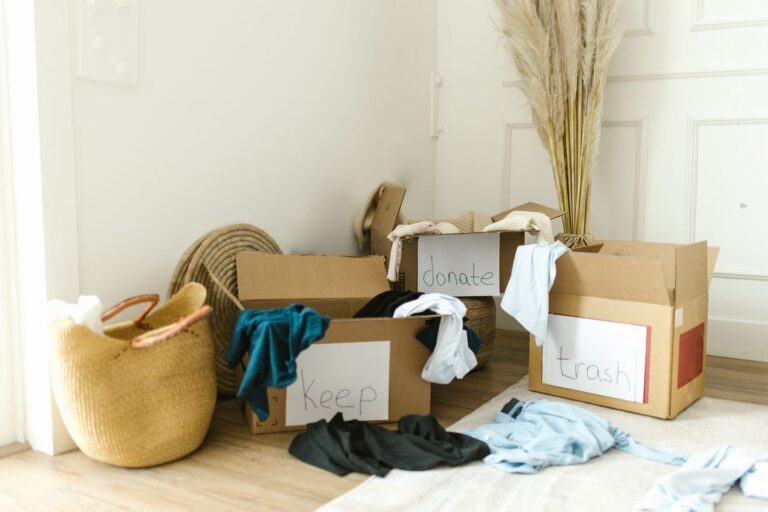
Start with one type of clothing and return useful items before moving to the next. Discuss fit, condition, comfort and actual requirements. Do not discard everything unworn for six months or insist that a stained favorite has no future use. Some clothes can be repaired, used for messy activities or held for a later decision. Ask before donating a child’s valued possessions and never sort another person’s belongings in secret to meet a target.

3. Set quantities around real laundry needs
There is no universal number of outfits, shoes or pajamas for every child. Consider laundry access, school rules, weather, care needs, spare changes and sensory preferences. Keep enough suitable clothing for those conditions rather than copying a minimalist quota. If a category overflows, review its location and actual use together. Buying fewer items and owning fewer items are choices, not measures of parenting or a child’s tidiness.
4. Make a reachable daily area
Put suitable everyday clothing where the child can reach it without climbing or pulling down a stack. A broad basket or existing drawer may be enough. Any added rod, hanging organizer or divider must suit the furniture and intended load. Follow the manufacturer’s installation instructions. Do not assume every adjustable product can grow with the child or that matching hanger colors are necessary for finding a shirt.

5. Store other sizes and seasons carefully
Choose what is worth keeping for later and identify it with a useful label. Keep storage clean, dry, stable and away from unsuitable heat or damp. Check garment and product instructions before vacuum compression, especially for structured pieces or filled outerwear. Keep storage bags inaccessible to children and pets. An attic, under-bed space or high shelf is only an option if its conditions and access are suitable, not an automatic destination.
6. Let participation stay optional and calm
Offer a choice of a picture label or the position of a suitable basket if the child wants to help. Do not make tidying a race or throw clothing across the room to demonstrate a game. Mirrors, hooks and wallpaper are separate changes requiring appropriate installation, compatibility and rental checks. Keep breakable or heavy additions out of climbing routes. A plain system the child understands is enough without a decorative theme.

7. Make the reset fit the week
Choose a convenient moment to return clean clothes and check what is missing. Agree who handles laundry, repairs and donations so an empty drawer is not mistaken for a storage failure. A short check may be more useful than a fixed weekly overhaul. If the same items are repeatedly left out, move their home or reduce the steps needed. Do not add another chore solely to keep every fold looking identical.
8. Skip automatic one-in, one-out decisions
New clothing can meet a new need without making an older useful item disposable. Review space with the owner rather than forcing a donation for every gift. Keep agreed outgoing items contained until their handoff is settled, away from doors and children’s play. For socks, a mesh laundry bag is optional: follow the garment, bag and machine instructions, do not overload it, and keep drawstrings or loose parts away from children.
9. Review the system as needs change
Recheck fit, access and storage conditions when the child grows or the routine changes. Do not treat an arrangement that no longer works as a personal failure. The retained Amazon searches are optional categories, not verified hangers, dividers or safely stackable racks. Use suitable existing storage before shopping. One accessible daily section and a clear adult handoff can be a good stopping point, even when the rest is unchanged.
Retained links and sources
- Optional Amazon category search: Velvet Hangers
- Optional Amazon category search: Shelf Dividers
- Optional Amazon category search: Shoe Rack
- Easy Closet Organization Ideas for Small Spaces
- How to Declutter Clothes in 5 Simple Steps
- Shoe Storage Ideas for Small Space Living
- CPSC: secure storage and furniture anchoring