Small Kitchen Zones: Organize Around Meal Prep
Shopping links: These links open Amazon search results. They are optional browsing suggestions, not verified product reviews or price/availability checks.
A small kitchen works better when storage follows the jobs done there. This guide is a planning exercise, not a makeover report: map the things you use, give them a practical home and test one zone before buying organizers. You do not need matching containers or empty counters to start.
Map one ordinary meal
Think through making a meal you cook regularly. Where do you collect ingredients, wash them, prepare them, cook and clear up? Note the cupboard or drawer you open at each step. Repeated trips across the room can point to an awkward storage location, but there is no single correct layout for every kitchen. Work with the space and access needs you have rather than copying a photograph.
Choose a small preparation zone
Start by using the kitchen counter reset checklist to clear a usable patch near the place you normally prepare food. Move unrelated papers and rarely used appliances elsewhere if there is a suitable home for them. Keep the tools you need for that task within comfortable reach. Do not crowd a hob, block an appliance vent or compromise a doorway to create a larger work surface. Check the appliance instructions for the clearances it needs.
Group by task, not by appearance
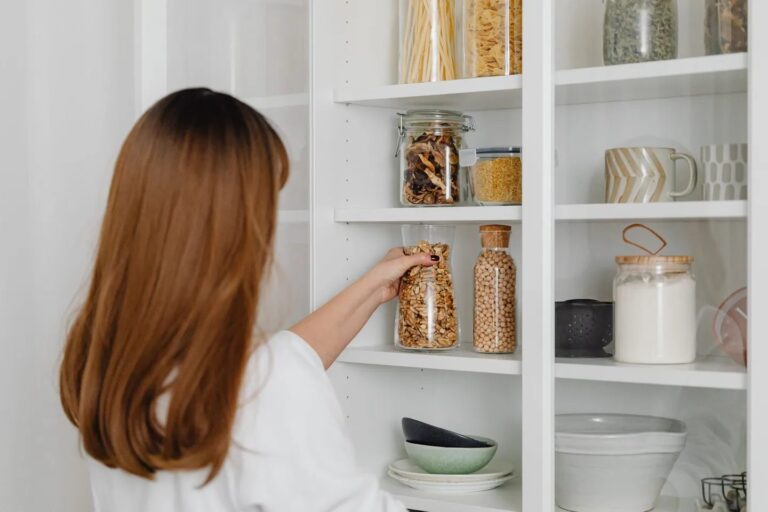
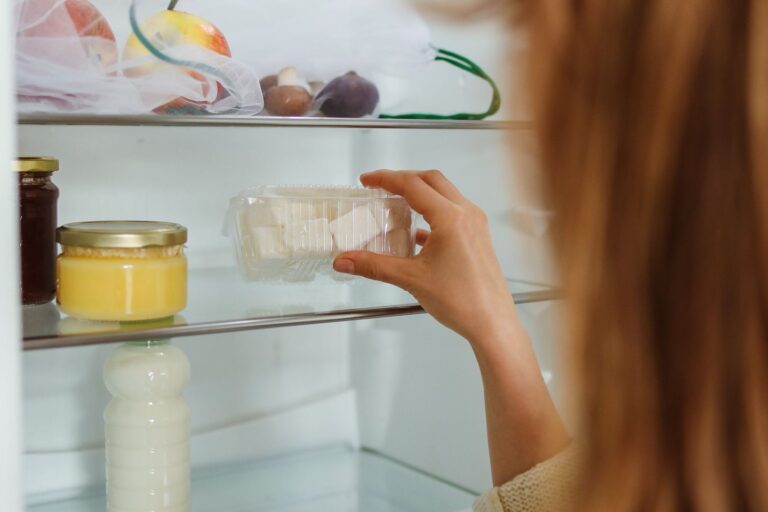
Useful groups might include breakfast, baking, everyday cooking and food storage. A group can occupy a shelf or part of a drawer; it does not need its own new basket. Keep food, clean utensils and cleaning chemicals in appropriate separate places. Use a temporary paper label if people share the kitchen. If the category is hard to explain, make it simpler before labeling every item.
Give everyday items the easiest reach
Put regularly used items where the people using them can lift them comfortably. Keep heavier pieces low enough to handle safely rather than placing them on high shelves for a cleaner-looking counter. Occasional serving pieces can use a less convenient space if they remain safely accessible. A kitchen used by children or someone with limited reach may need a different layout from the one in a storage tutorial.
Measure before adding a second level
Use the vertical-storage measurement guide to check reach, shelf space and clearance before choosing an insert.
A shelf riser or divider can separate items, but it also takes up space. Record the internal width, depth and height, including hinges, shelf supports and the opening through which an organizer must pass. Check the product's size range and load rating, then test an empty layout. Cardboard cut to the proposed footprint can reveal a poor fit before a purchase. Do not treat a category search as proof that a product fits.
Keep drawers and doors usable
Lay utensils out before choosing compartments. Cover sharp edges with purpose-made storage and keep hazardous tools inaccessible to children. For a door organizer, check the closed-door clearance against shelves and contents. Use only a mounting method compatible with the door, the product instructions and the lease. A removable hook still needs a suitable surface and weight limit; removable does not mean damage-free on every finish.
Make room without hiding useful things
Set aside duplicates, damaged items and equipment you no longer use, then decide what can be repaired, passed on or disposed of appropriately. Avoid moving an unwanted pile into another cupboard merely to clear the counter. Keep a short note of occasional items stored elsewhere. Reuse a tray or a few containers you already own before adding a new organizing system.
Test one zone and adjust
Use the new arrangement during normal cooking before reorganizing the whole room. Notice what is hard to lift, what blocks another item and what repeatedly lands on the counter. Move the storage location if it is inconvenient rather than adding more labels. A short reset after cooking can return items to their homes. The useful result is a layout you can maintain, not a permanent before-and-after photograph.
Amazon category searches
- Drawer divider search Search category only. Check the drawer measurements and divider adjustment range before buying.
- Kitchen turntable search Search category only. Check the turntable diameter, cabinet opening and load rating before buying.
Frequently asked questions
Do I need new containers to organize a small kitchen around meal prep?
No. A group can use a shelf or part of a drawer you already have. Test one zone first, and only buy an organizer once you have measured the space it has to fit.
How do I find where my kitchen zones should go?
Think through one meal you cook often and note the cupboard or drawer you open at each step. Repeated trips across the room can point to an awkward storage spot.
Is it safe to clear the counter around the hob?
Keep the hob and appliance vents clear. Check the appliance instructions for the space they need, and do not crowd them just to make a bigger work surface.
You Might Also Like
- Simple Pantry Organization Hacks for Small Spaces
- Best Small Kitchen Storage Solutions You Need
- Kitchen Cabinet Organization Tips for Every Chef
For another practical approach, see our 10 Kitchen Organization Ideas for Small Apartments.