How to Organize Kids Art Supplies in Small Spaces
How to Organize Kids Art Supplies in Small Spaces
SECTION 1 – INTRO
Is your house drowning in glitter, crayons, and markers? If you’ve got kids, chances are you’ve also got art supplies in every nook and cranny of your home. Kids love creating, but all those supplies can take over your space faster than they can draw a stick figure family. Organizing kids art supplies in small spaces might sound like juggling paintbrushes in a tightrope act, but trust me, it’s really possible,and dare I say, even fun.
Whether your child is a budding Picasso or just enjoys the occasional coloring session, art supplies have a way of multiplying. They spread to countertops, under couches, and,oh look!,there’s a dried-up marker in the fridge (true story). If you’re tired of the chaos and wondering how to rein it all in, you’re in the right place. Organizing these materials doesn’t just save your sanity; it also encourages creativity. So let’s get this art supply mess under control without sacrificing precious space!
—
SECTION 2 – WHY THIS MATTERS
Let’s be real for a second. Have you ever walked into your living room and stepped on a rogue colored pencil? Or maybe you’ve wasted 20 minutes looking for that one specific shade of green your child must have for their tree drawing? I’ve been there, and it’s maddening! At one point, I had an entire drawer stuffed with random crayons, stickers, glue sticks, and God-knows-what-else. Every time my kids wanted to create, we’d spend more time hunting for supplies than actually making art.
Here’s the thing. Studies show that organized spaces can boost productivity and creativity. For kids, that means having a tidy, accessible art station might inspire them to create more often. Plus, let’s not forget about preserving your own sanity. A clear system for kids art supplies storage can simplify your cleaning routine, reduce the mess, and even help your kids learn to clean up after themselves. If your home is small, you need to make every inch count,and that’s what this post is here to help you do.
—
SECTION 3 – MAIN TIPS/STEPS
1. Sort Supplies by Category
When it comes to organizing kids art supplies, your first step is sorting everything by type. Gather all the crayons, colored pencils, markers, papers, stickers, and paints into separate piles. This helps you see what you actually have (and what’s been hiding under the couch cushions for months). Toss anything that’s broken, dried out, or beyond salvation.
Practical tip: Use zippered pouches or clear plastic bags to keep similar items together. For example, store markers in one pouch and crayons in another. Not only does this make cleanup easier, but it makes finding the right tool a breeze for your kids.
2. Take Advantage of Vertical Storage
When you’re dealing with a small space, look up. Using vertical storage solutions like wall-mounted pegboards, shelves, or hanging organizers is a big win for kids art supplies storage. Install a pegboard over a desk or on the back of a closet door. Hooks and small buckets can hold scissors, paintbrushes, and even rolls of washi tape.
Example: You can also use stackable plastic drawers or bins to keep things organized and off the floor. Label each drawer with its contents,think “Markers,” “Craft Paper,” or “Stickers”,so your kids know where to find (and return!) items.
3. Use Multi-Functional Furniture
You don’t need an entire art studio to organize kids art supplies. Multi-functional furniture, like an ottoman with hidden storage or a small desk with built-in drawers, can work wonders. These pieces double as furniture and storage, keeping your space stylish and clutter-free.
Real-life example: I bought a small rolling cart with three tiers. It tucks neatly into the corner when not in use, and my kids can pull it out and use it as their mobile art station. Best of all, when they’re done, everything goes back in the cart.
4. Create an “Art Caddy”
Sometimes, you just need something portable. Enter the art caddy! This is a small container or basket that holds your child’s most-used supplies. It’s perfect for homes where space is tight because you can easily move it from room to room.
Example: Stock the caddy with essentials like crayons, markers, glue sticks, and scissors. If you have multiple kids, consider creating a separate caddy for each child. This not only prevents fights but also gives each kid a sense of ownership over their art materials.
5. Don’t Forget About the Wall Space
Walls aren’t just for hanging art. They can also be part of your kids art supplies storage solution. Install a magnetic strip to hold small containers or cups filled with supplies. Or, use a simple corkboard to pin up paper, stickers, or even small plastic bags filled with beads or mini pom-poms.
Pro tip: Use adhesive hooks or over-the-door shoe organizers to store lightweight items like washi tape, brushes, or stencils. These options are renter-friendly and won’t damage the walls.
6. Rotate Supplies to Reduce Overwhelm
It’s easy for kids to get overwhelmed when they have too many options. To prevent this, try rotating their art supplies. Pack away some items and swap them out every month or so. This keeps things fresh and exciting for your kids while preventing your small space from being overrun.
Example: Keep seasonal supplies, like holiday-themed stickers or stamps, in storage until they’re relevant. This also makes cleaning up a little less intimidating for your little ones.
7. Store Art Projects Smartly
Completed art projects can pile up fast. While every piece feels like a masterpiece, it’s okay to be selective about what you keep. Use a portfolio binder or a flat storage container for the most special creations.
Here’s what I do: At the end of each month, I go through my kids’ artwork with them. We decide together what to keep and what can “go to art heaven.” For added fun, take photos of the ones you’re discarding, so you’ll have a digital keepsake without the clutter.
—
SECTION 4 – PRO TIPS OR COMMON MISTAKES
Here’s where things can go wrong,and how to avoid it.
- Mistake: Overcomplicating Your System
It’s tempting to create a detailed storage system with color-coded bins and fancy labels. But if it’s too complicated, your kids won’t follow it. Keep it simple. For example, one bin for paper, one for markers, one for glue. Done.
- Pro Tip: Involve Your Kids
Don’t set up the system without their input! Kids are more likely to use an organizational system if they’ve had a hand in creating it. Plus, it’s a great opportunity to teach them about responsibility and tidying up.
- Mistake: Not Measuring Your Space
Before buying storage solutions, measure the area where they’ll go. There’s nothing worse than getting a storage unit home only to realize it doesn’t fit in your small space.
- Pro Tip: Repurpose Items You Already Have
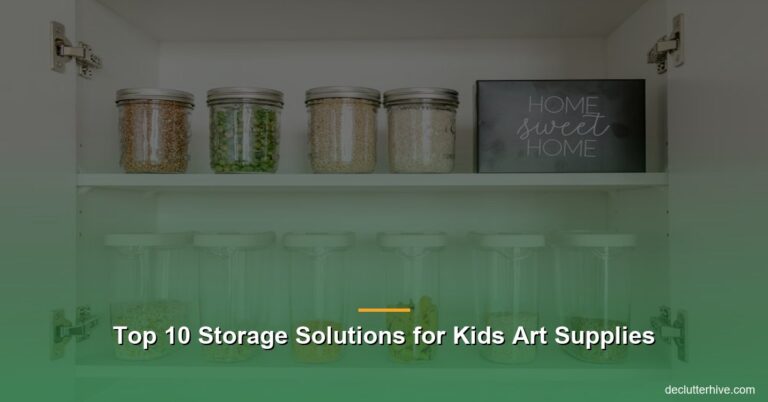
You don’t need to spend a fortune on fancy organizers. Use mason jars for paintbrushes, shoeboxes for paper, or a muffin tin for beads and small craft items. Get creative with what you’ve got!
—
SECTION 5 – QUICK SUMMARY / TL;DR
- Sort art supplies into categories and toss anything broken or unusable.
- Go vertical, using pegboards, shelves, or hanging organizers.
- Opt for multi-functional furniture to save space.
- Create a portable art caddy for your child’s favorite supplies.
- Use wall space with magnetic strips, corkboards, or adhesive hooks.
- Rotate supplies to reduce overwhelm and keep things fresh.
- Store completed projects in a portfolio binder or flat container.
Clear, organized spaces inspire creativity and make life easier for parents and kids. Ready to tame that art supply chaos? Start small and watch the magic happen. You’ve got this!
—
Products That Actually Help
A few things that make a real difference here:
- Toy Storage Bins – Labeled bins make cleanup something kids can actually do themselves.
- Bookshelf Organizer – A low bookshelf keeps favorite books visible instead of buried in a box.
- Command Center Wall Organizer – A wall command center stops permission slips from vanishing into the void.
Note: links above go to Amazon search results for these products.